




1960s Performance Cars and the Birth of Muscle: When Power Defined an Era
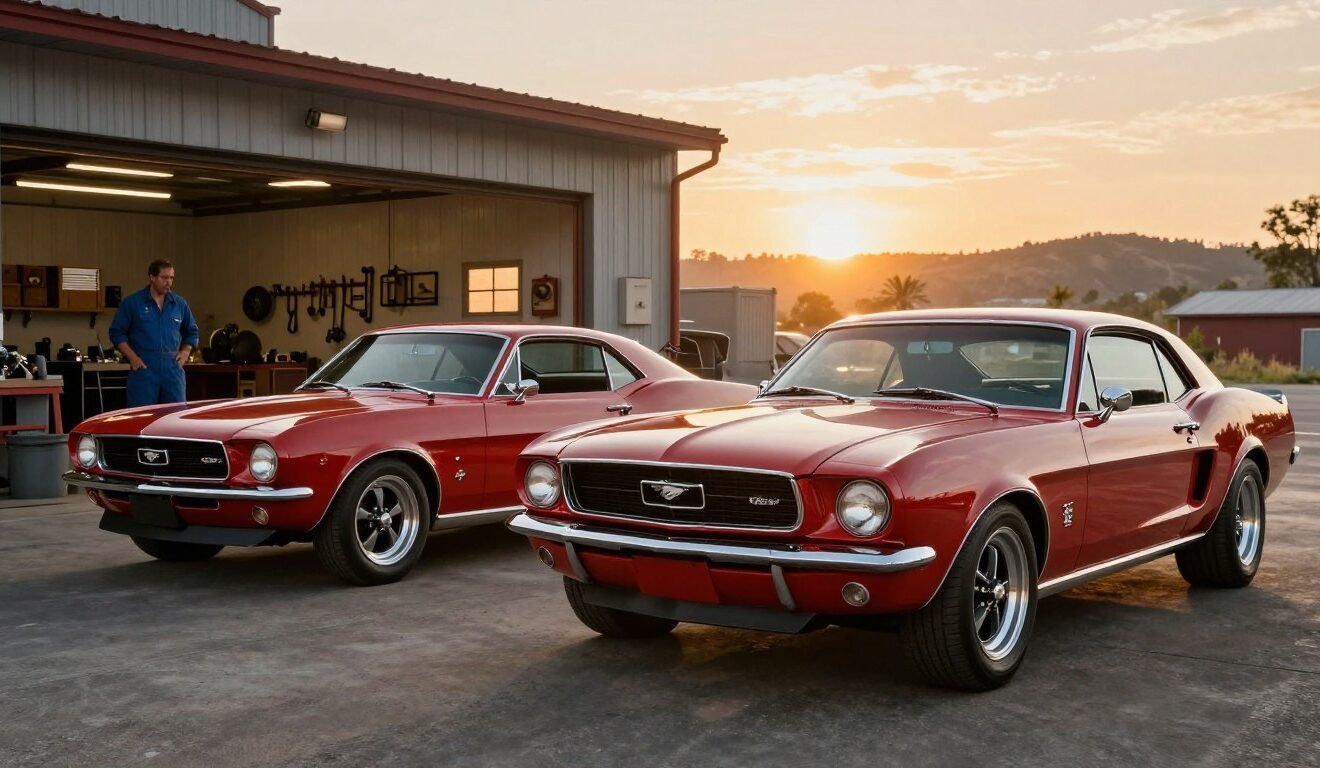
1960s Performance Cars and the Birth of Muscle: When Power Defined an Era
After World War II, America’s car culture changed a lot. Performance and power became key for a new car type. With more money around, people wanted cars that were fast and easy to get.

Young people and drag racing really shaped the muscle car identity. Car makers put big V8 engines in smaller cars. This started a big change in cars.
Key Takeaways
- The 1960s marked the beginning of the muscle car era, driven by post-war prosperity and youth culture.
- American automakers created muscle cars by combining large V8 engines with midsize car bodies.
- Drag racing and youth culture significantly influenced the development of the muscle car identity.
- The demand for affordable, high-performance vehicles drove the muscle car movement.
- The muscle car era was characterized by a pursuit of power and speed.
The Cultural Foundation of American Performance
The 1960s saw a big rise in American performance cars. This was due to the cultural changes in post-war America. The time had great economic growth, which led to a big demand for fast cars.
Post-War Prosperity and the American Dream
After the war, America experienced unprecedented prosperity. More people had money, and the middle class grew. The American Dream, which promised freedom and mobility, became closer to reality. Cars became a key symbol of this dream, leading to a desire for more powerful vehicles.
Youth Culture and the Need for Speed
The 1960s were all about speed and excitement for young people. They loved driving fast and racing underground. This need for thrill drove the demand for cars that were both powerful and fun to drive.
The Influence of Drag Racing Subculture
Drag racing became a big part of the culture, shaping muscle cars. The focus on quick speed led to cars with big engines and great performance. Key aspects of drag racing’s impact include:
- Focus on quick acceleration and top speed
- Creating high-performance engine options
- Using lightweight materials to boost power-to-weight ratios

The mix of post-war prosperity, youth culture, and drag racing made the 1960s perfect for muscle cars. As a result, American performance cars became a key part of the car world in the 1960s.
The Rise of 1960s Muscle Cars
The 1960s were a key time in American car history. Muscle cars first appeared during this era. Car makers mixed big V8 engines with smaller car bodies. This made cars both powerful and affordable.
Defining the Muscle Car Formula
The muscle car idea was simple. It put big-block V8 engines in smaller cars. This mix gave cars speed and a good price. It set the stage for a new kind of fast car.
From Full-Size to Mid-Size: Finding the Perfect Platform
At first, cars were big. But then, makers found mid-size was better. Cars like the Pontiac GTO and Chevrolet Chevelle SS showed why. They were fast and not too big.

Big Engines in Smaller Cars: The Power-to-Weight Revolution
Putting big engines in small cars changed everything. It made cars fast and easy to handle. This drew in young drivers who wanted speed and style.
Big V8s in smaller cars meant better performance for everyone. It made fast cars more common. This made high-speed driving fun for more people.
The Pioneers: Early Muscle Car Milestones
The 1960s saw the rise of muscle cars, led by some groundbreaking models. These cars were known for their power, style, and affordability. They quickly won over the hearts of Americans.
The 1964 Pontiac GTO: First True Muscle Car
The Pontiac GTO is often called the first real muscle car. It came out in 1964, based on the Pontiac Tempest but with a strong V8 engine. This made it a big deal in the car world.
Oldsmobile 442 and Chevrolet Chevelle SS
After Pontiac’s success, other car makers jumped into the muscle car scene. The Oldsmobile 442 and Chevrolet Chevelle SS were among the top ones. They matched Pontiac’s power and style, helping to grow the muscle car trend.
Ford’s Response: Mustang and Fairlane GT
Ford entered the muscle car market with the Ford Mustang and Fairlane GT. Even though the Mustang is often seen as a pony car, its strong versions played a big part in the muscle car era.
| Model | Year Introduced | Notable Features |
|---|---|---|
| Pontiac GTO | 1964 | Powerful V8 engine, sporty styling |
| Oldsmobile 442 | 1964 | High-performance engine, upgraded suspension |
| Chevrolet Chevelle SS | 1964 | Powerful engine options, aggressive styling |
| Ford Mustang | 1964 | Iconic design, range of engine options |
| Ford Fairlane GT | 1964 | High-performance capabilities, sporty features |
Engineering for Straight-Line Speed
Car makers worked hard to make their vehicles fast on drag strips and streets. They focused on building powerful engines and new transmission and rear axle designs. They also made changes to the suspension and chassis.
Big-Block V8 Development
The big-block V8 engines were key to reaching high speeds. These engines were big and powerful, making them perfect for 1960s muscle cars. Chrysler, Ford, and General Motors raced to make the strongest big-block V8 engines, with sizes from 396 cubic inches to over 500 cubic inches.
Transmission and Rear Axle Innovations
Big-block V8 engines needed special transmissions and rear axles. Heavy-duty transmissions with many gear ratios helped cars go faster. Positraction rear axles made cars stick to the ground better by sending power to both wheels.
Suspension and Chassis Adaptations
Even though speed was the main goal, car makers didn’t forget about safety. They used heavy-duty springs and shock absorbers to keep cars stable. They also made the chassis stronger to handle the power of fast driving.
The Horsepower Wars of Detroit
In the 1960s, Detroit’s Big Three automakers were in a fierce battle. They were racing to see who could make the most powerful V8 engines. This wasn’t just about showing off; it was a race to innovate in engine design and car performance.
Manufacturer Rivalries and One-Upmanship
The competition between General Motors, Ford, and Chrysler was fierce. Each wanted to make cars with more horsepower than the others. This rivalry led to big improvements in engine technology, like bigger engines and better cylinder heads.
Breaking the 400 Horsepower Barrier
One major achievement was when cars first hit over 400 horsepower. This required a lot of engineering, like bigger engines and better carburetors. Cars like the Chrysler 426 Hemi and the Pontiac GTO were among the first to do this, setting a new high for performance.
The Peak Years: 1968-1970
The years from 1968 to 1970 were the best for muscle cars. During this time, the battle for the most horsepower reached its peak. Some of the most powerful cars ever made were produced then, including:
- The Dodge Charger R/T with its 426 Hemi engine
- The Chevrolet Chevelle SS with a 454 LS6 engine
- The Plymouth Road Runner with a 426 Hemi
These cars were the top of Detroit’s horsepower wars. They showed the amazing technology and competitive spirit of American car makers back then.
Marketing Muscle: How Performance Became an Identity
In the 1960s, performance became more than just about cars. It was about creating an image that spoke to the American youth. Manufacturers knew they had to make more than fast cars. They had to craft an image that matched the dreams of young Americans.
Creating Performance Divisions and Branding
Manufacturers set up performance divisions to market their muscle cars. These divisions aimed to create vehicles that were not just fast but also had a unique brand identity. This identity was all about speed and power.
For example, Chrysler’s Street Performance Division and Ford’s Ford Performance were key. They helped muscle cars stand out from regular models. This branding was vital in attracting those who loved performance and its image.
“Win on Sunday, Sell on Monday” Philosophy
The “Win on Sunday, Sell on Monday” mantra was a big deal. It showed how racing victories could boost sales. By winning races, car makers proved their vehicles’ performance, making them more appealing to buyers.
This strategy was about more than just racing. It was about building a reputation for performance and reliability. And it worked, with sales going up after big wins.
Advertising Campaigns and Performance Imagery
Advertising was key in shaping muscle car identity. Car makers used bold ads that highlighted their vehicles’ speed and power. The ads aimed to capture the audience’s imagination with images of speed and rebellion.
Pontiac’s GTO ads, for instance, focused on its performance. They made it seem like the car was an extension of the driver’s personality.
| Manufacturer | Performance Division | Notable Model |
|---|---|---|
| Chrysler | Street Performance Division | Plymouth Road Runner |
| Ford | Ford Performance | Ford Mustang Shelby GT500 |
| Pontiac | Pontiac Performance | Pontiac GTO |
The mix of performance divisions, the “Win on Sunday, Sell on Monday” idea, and bold ads made muscle cars symbols of power. This marketing strategy boosted sales and solidified muscle cars’ place in American car culture.
Democratizing Performance: Affordable Speed for the Masses
Manufacturers made performance cars more affordable in the 1960s. This made speed a key part of American culture. They used competitive prices and options to let buyers customize their cars.
Price Points and Target Demographics
Muscle cars were made for the average American. They targeted young people who wanted fast, stylish cars. This made muscle cars popular among many.
Factory Options and Dealer Specials
Manufacturers offered many options and specials. These included performance upgrades and unique designs. This let buyers make their cars their own, appealing to more people.
| Model | Base Price (1969) | Performance Package |
|---|---|---|
| Pontiac GTO | $3,200 | The Judge Package |
| Ford Mustang Mach 1 | $3,271 | Mach 1 Performance Group |
| Chevrolet Chevelle SS | $2,800 | SS 396 Package |
How Muscle Cars Reshaped American Automotive Identity
Muscle cars changed American car culture. They stood for power and freedom, showing what a generation wanted. John Z. DeLorean said, “The GTO was the first muscle car, and it changed the industry forever.”
Conclusion: The Global Legacy of 1960s Muscle Cars
The 1960s muscle car era made a big impact on cars. It changed how cars look, feel, and are loved by fans all over. Today, many new cars take inspiration from these classic muscle cars.
The 1960s were a time of growth and hope in America. This was shown in the cars of that era. These cars, with their strong engines and unique looks, are now part of car history.
Even now, the influence of 1960s muscle cars is seen in today’s fast cars. Cars like the Ford Mustang and Dodge Challenger show this. Their lasting popularity proves the 1960s muscle car era’s big impact on cars worldwide.