

Top 10 JDM Legends of the 1990s: The Golden Era of Japanese Performance Cars
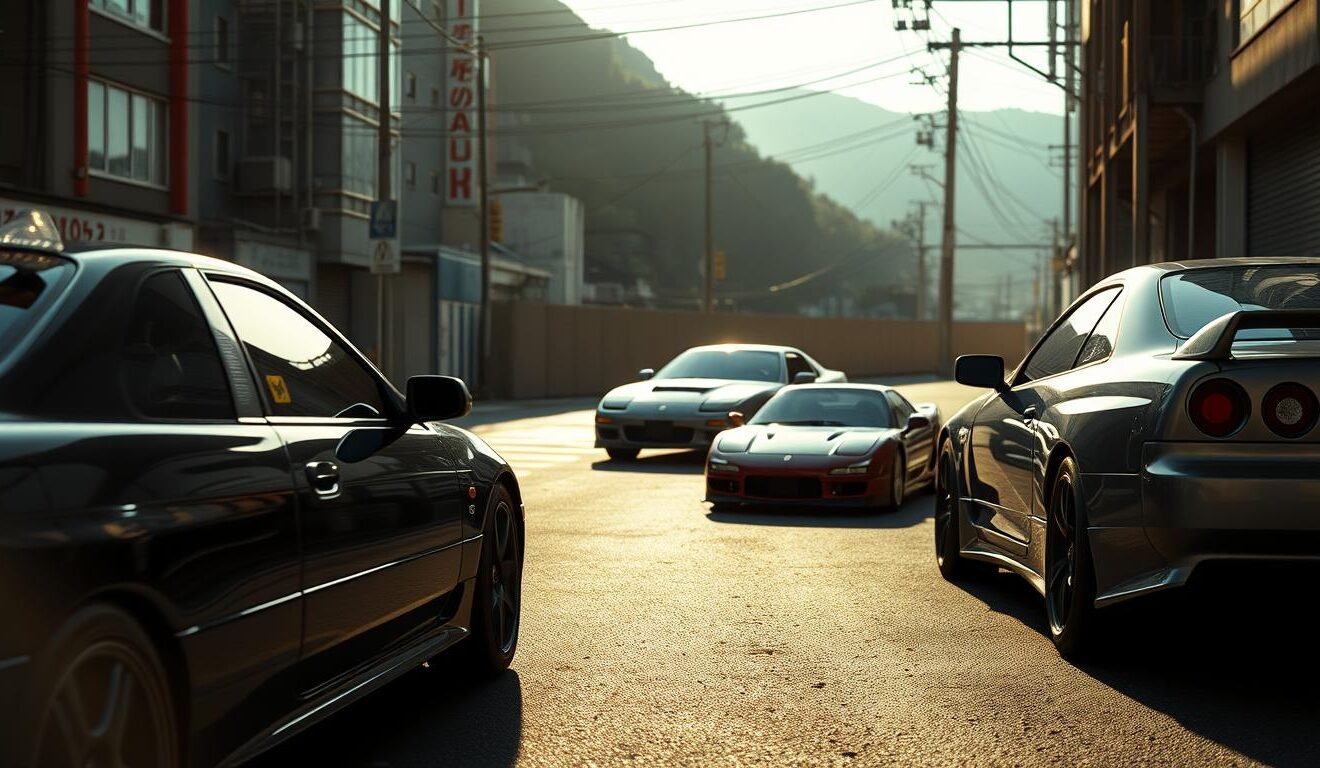
Top 10 JDM Legends of the 1990s: The Golden Era of Japanese Performance Cars
The 1990s was a big change for cars, mainly in Japan. It was the golden era of Japanese performance cars. This time brought out high-performance vehicles that are loved all over the world.

Models like the Nissan Skyline GT-R, Toyota Supra, and Mazda RX-7 stood out. They had turbocharged engines and all-wheel-drive systems. These Japanese sports cars were known for their speed, design, and engineering.
The 1990s JDM cars started a worldwide love for JDM culture. JDM icons became a must-have for car lovers everywhere.
Key Takeaways
- The 1990s was a big change for Japanese performance cars.
- Models like the Nissan Skyline GT-R and Toyota Supra became iconic.
- Advanced technology characterized these vehicles.
- JDM culture gained global popularity.
- These cars remain revered for their performance and design.
The Golden Age of JDM Performance: How Japan Dominated the 90s Car Scene
In the 1990s, Japan’s economy soared, boosting its car industry to new levels. This era is known as the golden age of JDM performance. During this time, Japanese car manufacturers made huge strides in performance, technology, and design.
Economic Boom and Engineering Excellence
The 1990s economic boom let Japanese car makers spend more on research and development. This led to big leaps in car technology. They created high-performance vehicles that were fast, reliable, and full of new ideas.
Technology Advancements That Changed Everything
The 1990s brought in new tech like turbocharged engines and advanced all-wheel-drive systems. These innovations made Japanese cars stand out. They set new benchmarks for the industry. For more on legendary JDM cars, visit Ride Icons.
The Gentleman’s Agreement and Its Impact
The Gentleman’s Agreement was a secret deal among Japanese car makers. It limited engine power, pushing them to make engines more efficient and powerful. This led to the creation of the iconic engines of 1990s JDM cars.

The mix of economic growth, new tech, and the Gentleman’s Agreement created a perfect storm. It led to the making of exceptional performance cars. These factors made Japan the top player in the 90s car scene, leaving a lasting mark on car performance.
1. Nissan Skyline GT-R (R34): The Ultimate JDM Icon
The R34 GT-R is a symbol of JDM culture. It’s known for its top-notch engineering, racing history, and big influence on pop culture.

Engineering Masterpiece: The RB26DETT Engine
The R34 GT-R runs on the RB26DETT engine. This twin-turbo inline-six is famous for its strength and tuning possibilities. It’s loved by fans for its toughness and ability to take big power boosts.
ATTESA E-TS and Advanced Technology
The R34 GT-R has Nissan’s ATTESA E-TS all-wheel-drive system. This tech helps it handle well and grip the road. It made the R34 GT-R a strong competitor on both streets and tracks.
Racing Heritage and Dominance
The Nissan Skyline GT-R R34 has a strong racing heritage. It won many races in different championships. Its speed and reliability made it a top player in motorsports in the late 1990s.
Pop Culture Impact and “Godzilla” Legacy
The R34 GT-R has also left a mark on pop culture. It’s called “Godzilla” for its amazing performance and winning streak. It’s been in many movies, games, and media, making it a JDM legend.
Its engineering, tech, and cultural influence make the Nissan Skyline GT-R R34 a top JDM car. It’s highly respected by many.
2. Toyota Supra MK4: The 2JZ Legend
The Toyota Supra MK4 is famous for its strong 2JZ-GTE engine. Made from 1993 to 2002, it’s known for its great performance and how well it can be tuned.
The Indestructible 2JZ-GTE Engine
The 2JZ-GTE engine is loved by tuners for its toughness. It can handle high boost pressures well. Its design, with an inline-six and cast-iron block, makes it very durable.
Factory Specs and Tuning Potentia
The 2JZ-GTE engine comes with a twin-turbo setup, making 276 horsepower. But, it’s really meant to be tuned. Many owners have made it produce over 1,000 horsepower with the right tweaks.

Racing Success and Drag Strip Dominance
The Toyota Supra MK4 has done well in drag racing. Its strong engine and rear-wheel drive make it a strong competitor. It’s known for its great performance on the drag strip.
Hollywood Fame and Cultural Impact
The Supra MK4 became famous worldwide after “The Fast and the Furious.” This movie made it popular with a new generation of car fans.
| Specifications | Details |
|---|---|
| Engine | 2JZ-GTE Twin-Turbo |
| Power Output | 276 horsepower (stock) |
| Drive Type | Rear-Wheel Drive |
3. Mazda RX-7 FD3S: Rotary Perfection
Mazda’s RX-7 FD3S is a marvel with its 13B-REW twin-turbo rotary engine. It’s known for its unique rotary engine and handling. This makes it a top pick among 90s JDM legends.
The Revolutionary 13B-REW Twin-Turbo Rotary
The 13B-REW twin-turbo rotary engine is the heart of the RX-7 FD3S. It’s famous for its unique traits and high revs. This engine gives impressive torque and horsepower, boosting the car’s performance.
The rotary engine’s design lets it rev higher than piston engines. This makes it a hit among fans who love its sound and performance.
Lightweight Design and Handling Prowess
The RX-7 FD3S is built to be light, improving its handling. Its rear-wheel-drive layout and finely-tuned suspension make it a dream to handle. It can take tight corners with ease and precision.
This mix of light design and advanced engineering makes the RX-7 FD3S fun to drive. It’s great on both the road and the track.

Racing Achievements and Endurance Legacy
The Mazda RX-7 FD3S has a strong motorsports history. It’s won races and endurance events thanks to its rotary engine and lightweight design. These traits show its durability and performance under pressure.
The RX-7 FD3S has left a lasting mark in motorsports. Its racing wins are celebrated by fans today.
Initial D and Drift Culture Influence
The RX-7 FD3S has also influenced popular culture, mainly in drift culture. Its appearance in “Initial D” made it a JDM icon. Its drift capabilities and rear-wheel-drive layout make it a top choice for drifters.
The RX-7 FD3S is a symbol of JDM drift culture. It inspires fans worldwide with its drift skills.
4. Honda NSX: The Everyday Supercar
Honda created the NSX with help from Formula 1 driver Ayrton Senna. It’s a supercar that mixes advanced tech with smooth driving. The NSX changed what a supercar could be, making it fast and easy to use every day.

Ayrton Senna’s Influence on Development
Ayrton Senna helped make the NSX fast and fun to drive. He worked with Honda’s team to improve its handling and speed. This made the NSX a car that’s both quick and easy to handle.
All-Aluminum Construction and VTEC Innovation
The NSX is made mostly of aluminum, making it light and strong. Its design and Honda’s VTEC engine work together well. This means the NSX is both strong and easy to drive every day.
Key Features of the Honda NSX:
- All-aluminum construction for lightweight and rigidity
- VTEC engine technology for optimized performance
- Ayrton Senna’s input on handling and performance
- Supercar performance with everyday usability
Racing Success in JGTC and Beyond
The Honda NSX did well in racing, like the JGTC series. Its speed and reliability made it a strong competitor. This added to its fame as a top supercar.
Redefining the Supercar Paradigm
The Honda NSX changed what a supercar could be. It combined speed, handling, and daily use in a new way. Its design and tech made it a key car in JDM history.
5. Mitsubishi Lancer Evolution VI: Rally Bred Street Weapon
The Mitsubishi Lancer Evolution VI is a top JDM legend. It’s known for its amazing performance and durability. This car shows off Mitsubishi’s skill in rally racing.

The Legendary 4G63T Engine
The Evolution VI has the famous 4G63T turbocharged engine. It’s known for its strong performance and reliability. This engine is a big deal in the JDM world, loved for its racing toughness and power.
Advanced AWD System and Handling
The car’s advanced all-wheel-drive system is key to its success. It gives great handling and grip on different surfaces. With its strong engine, the Evolution VI is a top competitor in racing and on the streets.
WRC Dominance with Tommi Mäkinen
Tommi Mäkinen drove the Mitsubishi Lancer Evolution VI to big wins in the World Rally Championship (WRC). His driving skills and the car’s abilities led to many championships. This made the Evolution VI a rally legend.
“The Mitsubishi Lancer Evolution VI is a car that has left an indelible mark on the world of rally racing.”
Street Racing and Tuning Culture Impact
The Evolution VI’s success in racing made it popular on the streets. It’s a favorite among tuners and fans. Its racing background and advanced tech made it a key part of the JDM tuning scene.
The Mitsubishi Lancer Evolution VI is a highly wanted car. It’s loved for its racing history and its ability to be modified. Its legacy keeps inspiring car lovers worldwide.
6. Subaru Impreza WRX STI (GC8): The Rally Icon
The Subaru Impreza WRX STI (GC8) is a true icon in rally cars. It has left a lasting mark in motorsports. Its mix of performance, tech, and rally wins has made it a legend among JDM cars.

Boxer Power: The EJ20 Engine
The Subaru Impreza WRX STI’s heart is its EJ20 boxer engine. It’s known for its unique design and strong performance. This engine was key to the car’s rally wins, giving it the power and reliability needed.
Symmetrical AWD and Rally-Inspired Design
The Subaru Impreza WRX STI has a symmetrical all-wheel-drive system. This system was a big reason for its WRC success. It gave drivers the traction and control they needed to perform well on different terrains.
WRC Success and Colin McRae Legacy
Drivers like Colin McRae helped the Subaru Impreza WRX STI win many times in the World Rally Championship. Their victories showed the car’s strength and boosted Subaru’s reputation in the performance car world.
Rise of Subaru Performance Culture
The Subaru Impreza WRX STI’s rally background and performance helped make Subaru a big name in performance cars. This led to a Subaru performance culture, with fans tuning and modifying the WRX STI to make it even better.
The Subaru Impreza WRX STI’s legacy is felt today in car culture and motorsports worldwide.
7. Honda Integra Type R (DC2): The Ultimate Front-Wheel Drive Machine
The Honda Integra Type R (DC2) was a game-changer in the world of front-wheel drive cars. It set a new standard for how a car should handle and accelerate. This JDM model is loved by many for its amazing performance and handling.
Hand-Built B18C Engine and VTEC Technology
The DC2 Integra Type R has a special B18C engine built by hand. It comes with VTEC technology, which lets it rev high and perform well. This engine is known for its quick throttle response and ability to rev up to 8,000 rpm, making driving it a joy.
Weight Reduction and Chassis Rigidity
The Integra Type R is light and has a strong chassis rigidity. This makes it handle well and perform great on the track. Honda made it agile and quick to respond, thanks to its design.
Track Performance and Racing Heritage
The Honda Integra Type R quickly became known for its racing heritage. Its handling and speed made it a hit with drivers. Its success on the track made it a legendary JDM performance car.
The “Type R” Legacy Begins
The Integra Type R was the first Honda to wear the “Type R” badge. This badge has become a symbol of high-performance Honda cars. The legacy of the Integra Type R continues to inspire Honda’s performance cars today.
8. Nissan Silvia (S14/S15): The Drift King
Drifters around the world love the Nissan Silvia S14 and S15. They are known for their perfect balance and tuning possibilities. The car’s rear-wheel-drive layout and balanced weight make it a top choice for drifting.
SR20DET Engine and Tuning Potentia
The SR20DET engine in the S14 and S15 Silvias is famous for its tuning ability. This 2.0-liter turbocharged engine had 205 horsepower stock. But, it’s design allows for big upgrades, making it a hit with tuners.
Perfect Balance and Drift Capabilities
The Silvia’s design and engineering make it great for drifting. Its rear-wheel-drive and balanced weight help drivers do smooth, controlled drifts.
D1GP and Professional Drifting Impact
The Silvia’s success in the D1GP drifting competition made it a drift icon. Professional drifters love its agility and quick response. It’s a key car in the sport.
Aftermarket Support and Modification Culture
The Nissan Silvia has lots of aftermarket support, with many performance parts available. This keeps its popularity high among tuners and modifiers, who always look to improve the car’s performance.
- The SR20DET engine is highly modifiable, allowing for significant power increases.
- The car’s rear-wheel-drive layout is ideal for drifting.
- The Silvia’s balanced weight distribution enhances its handling and stability.
The Nissan Silvia S14 and S15 are highly respected in the drifting world. Their impact on drift culture is felt today.
9. Toyota MR2 SW20: The Affordable Mid-Engine Marvel
The Toyota MR2 SW20 is a marvel from the 1990s. It has a mid-engine layout and is affordable. It’s known for its great handling and performance, making it a favorite among car lovers.
3S-GTE Turbo Power and Mid-Engine Balance
The 3S-GTE turbocharged engine powers the MR2 SW20. It gives a big power boost. The mid-engine design makes it balanced, perfect for handling.
Supercar Looks at Sports Car Prices
The Toyota MR2 SW20 is called the “Poor Man’s Ferrari.” It looks like a supercar and drives like one, but costs less. This nickname shows its value for those wanting a fast drive without the high price of supercars.
Racing Success in GT Championships
The MR2 SW20 has won GT championships. This proves its performance and durability. It shows the model’s skill on both the track and the street.
The “Poor Man’s Ferrari” Legacy
The Toyota MR2 SW20’s legacy as a fast, affordable sports car is strong. Its mix of performance, handling, and price has won it fans. It’s a key part of JDM legend history.
10. Honda Civic Type R (EK9): The Hot Hatch Pioneer
The Honda Civic Type R EK9 was a game-changer in the JDM scene. It brought a new level of performance and design to the hot hatch category. This model showed off Honda’s engineering skills and left a big mark on the car world.
B16B Engine: The Highest Output per Liter
The B16B engine in the EK9 Civic Type R was a marvel. It was the most powerful engine per liter in production at the time. With a redline of 8,400 rpm, it offered an unmatched driving thrill.
Lightweight Construction and Track Focus
The EK9’s lightweight construction was key to its performance. Honda made it light without sacrificing strength. This gave the Civic Type R an amazing power-to-weight ratio, perfect for the track. It also had a limited-slip differential and sport-tuned suspension for better handling.
Racing Heritage and JTCC Success
The Honda Civic Type R EK9 has a strong racing background, mainly in the JTCC. Its success in this series proved its performance and earned it a special place among car lovers. Its racing history is a big part of its appeal today.
Creating the JDM Hot Hatch Movement
The EK9 Civic Type R was a key player in starting the JDM hot hatch trend. It combined performance, handling, and affordability, setting a new standard. For more on the Honda Civic’s history, check out Honda Civic’s Decade-by-Decade Journey.
The Honda Civic Type R EK9 is a beloved car among enthusiasts. It represents the best of JDM performance in the 1990s. Its influence on the car world is undeniable, making it a true icon in the hot hatch scene.
- Exceptional performance with the B16B engine
- Lightweight construction for enhanced handling
- Successful racing heritage in JTCC
- Pioneered the JDM hot hatch movement
Why These Top 10 JDM Legends of the 1990s Continue to Influence Car Culture Today
The JDM legends of the 1990s are big in car culture today. They have made a lasting mark, influencing car design and inspiring new fans. Cars like the Nissan Skyline GT-R and Toyota Supra were known for their speed, tech, and custom options.
Today, you can see their impact in modern cars and the love for JDM tuning. These classic cars are in high demand, keeping their influence alive in car culture.
FAQ
What does JDM stand for?
JDM stands for Japanese Domestic Market. It refers to cars and parts made for the Japanese market.
What makes the 1990s JDM cars so legendary?
The 1990s JDM cars are famous for their tech, like turbocharged engines and all-wheel-drive systems. They also have a racing history and were popular in pop culture.
What is the Gentleman’s Agreement, and how did it impact JDM cars?
The Gentleman’s Agreement was a deal among Japanese car makers. It aimed to keep car power in check. This led to the creation of efficient and powerful engines.
What are some of the most iconic JDM engines from the 1990s?
Iconic JDM engines from the 1990s include the RB26DETT and 2JZ-GTE. Also, the 13B-REW, 4G63T, EJ20, and B18C are known for their performance and tuning.
How did the Nissan Skyline GT-R R34 become known as “Godzilla”?
The Nissan Skyline GT-R R34 is called “Godzilla” for its amazing performance and tech. It was also a top performer on the road and track.
What is the significance of the Toyota Supra MK4 in JDM culture?
The Toyota Supra MK4 is key in JDM culture. It has a 2JZ-GTE engine known for its durability and tuning. It also won in drag racing and other motorsports.
How did the Mazda RX-7 FD3S influence drift culture?
The Mazda RX-7 FD3S changed drift culture with its 13B-REW twin-turbo rotary engine. Its lightweight design and rear-wheel-drive made it a favorite among drifters.
What makes the Honda NSX a landmark JDM car?
The Honda NSX is a landmark JDM car. It’s known for its all-aluminum build and VTEC engine. It also won in racing and set a new standard for supercars.
How did the Mitsubishi Lancer Evolution VI impact rally racing?
The Mitsubishi Lancer Evolution VI changed rally racing. It had a legendary 4G63T engine and advanced AWD system. It won the WRC with drivers like Tommi Mäkinen.
What is the legacy of the Subaru Impreza WRX STI in JDM culture?
The Subaru Impreza WRX STI is famous for its WRC wins. It was driven by Colin McRae. It also shaped Subaru’s performance culture.
How did the Honda Integra Type R influence the JDM hot hatch movement?
The Honda Integra Type R led the JDM hot hatch movement. It was known for its performance, handling, and design. It made the “Type R” badge a symbol of Honda’s high-performance models.
What makes the Nissan Silvia a legendary drift car?
The Nissan Silvia is a legendary drift car. It has a SR20DET engine and rear-wheel-drive layout. It’s a favorite among drifters and a key player in the D1GP.
How did the Toyota MR2 SW20 earn the nickname “Poor Man’s Ferrari”?
The Toyota MR2 SW20 got the “Poor Man’s Ferrari” nickname. It had a mid-engine layout, turbocharged performance, and supercar looks at a lower price.
What is the significance of the Honda Civic Type R EK9 in JDM culture?
The Honda Civic Type R EK9 is important in JDM culture. It’s known for its performance, handling, and design. It started the JDM hot hatch movement and influenced future performance hatchbacks.