




1934 Citroën Traction Avant: The Front-Drive Revolution That Made Modern Car Design Inevitable
1934 Citroën Traction Avant: The Front-Drive Revolution That Made Modern Car Design Inevitable The 1934 Citroën Traction Avant was a game-changer in the car world....
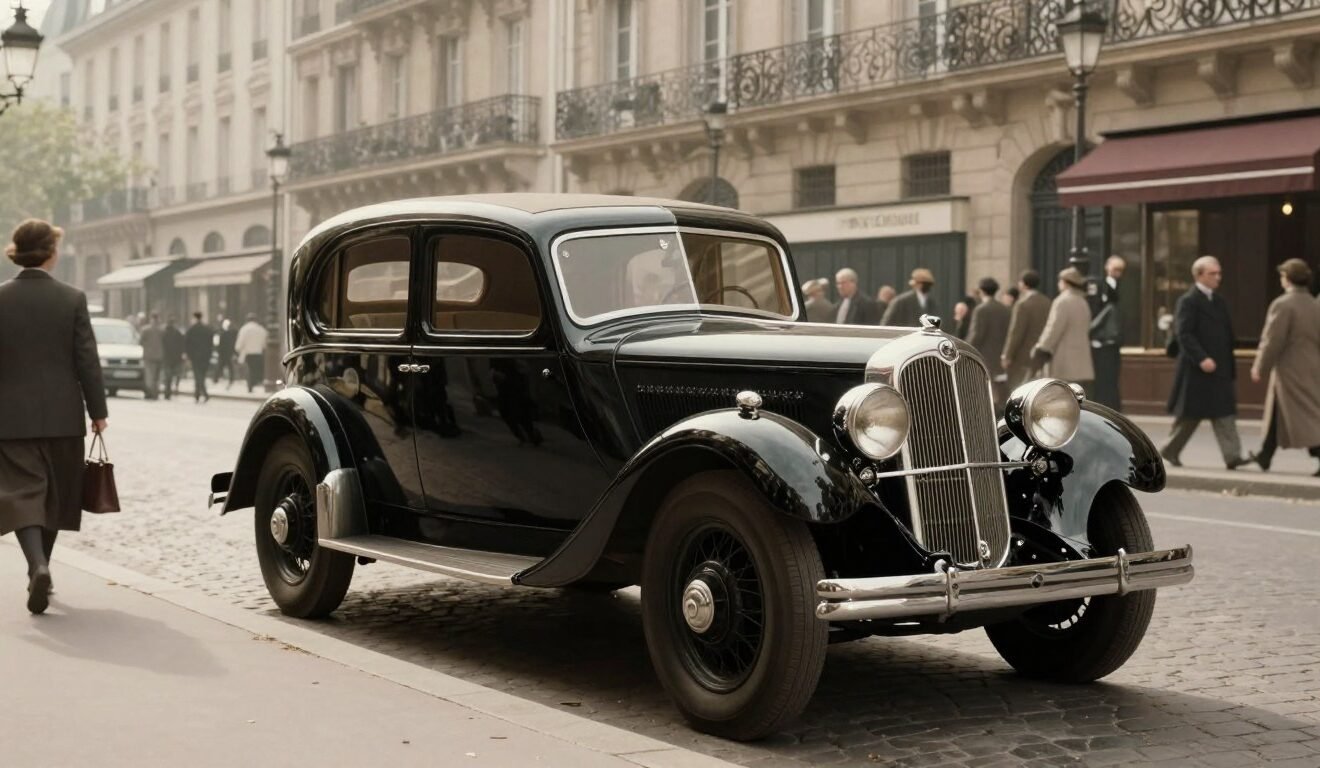
- 1934 Citroën Traction Avant: The Front-Drive Revolution That Made Modern Car Design Inevitable
- The 1934 Citroën Traction Avant: A Revolutionary Concept
- Automotive Design in the 1930s: Setting the Stage
- Technical Specifications and Variants
- Engineering Breakthrough: The Unibody Construction
- Front-Wheel Drive: A Paradigm Shift
- Low Center of Gravity: Redefining Road Holding
- Interior Space Revolution: The Modern Cabin Concept
- Cultural Impact and Historical Significance
- FAQ
- What made the 1934 Citroën Traction Avant a revolutionary car?
- Who was behind the development of the Citroën Traction Avant?
- What were the main features of the automotive design landscape in the 1930s?
- What variants of the Citroën Traction Avant were available?
- What was the significance of the Traction Avant's unibody construction?
- How did the front-wheel drive configuration impact the Traction Avant's handling?
- What was the impact of the Traction Avant's low center of gravity on its road holding capabilities?
- How did the Traction Avant's interior design contribute to passenger comfort?
- What was the cultural impact of the Citroën Traction Avant?
- How did the Traction Avant appear in popular culture?
1934 Citroën Traction Avant: The Front-Drive Revolution That Made Modern Car Design Inevitable#
The 1934 Citroën Traction Avant was a game-changer in the car world. It brought together front-wheel drive and a unitized body structure. This made driving safer and more fun.
This car was created by André Citroën. His bold ideas and risk-taking were key to its success.

The Traction Avant changed the car industry forever. Its design, with a low center of gravity, was ahead of its time. It showed the future of cars.
It was one of the first cars to use front-wheel drive and a single body. This made it a model for the industry.
Key Takeaways#
- The Traction Avant was a pioneering car that combined front-wheel drive with a unitized body structure.
- Its innovative design improved handling and safety.
- The car’s low center of gravity was a significant advancement.
- André Citroën’s vision played a critical role in the car’s development.
- The Traction Avant set a new standard for the automotive industry.
The 1934 Citroën Traction Avant: A Revolutionary Concept#
In 1934, Citroën shook up the car world with the Traction Avant. This car was a game-changer, thanks to André Citroën’s creative ideas. He was a true pioneer in car making.

A Bold Departure from Conventional Design#
The Traction Avant brought big changes to car design. It had front-wheel drive and a unitized body structure. These features made it better to drive and safer, setting a new benchmark.
This car’s innovative design went beyond its drivetrain. Its suspension and chassis were also improved. This made driving smoother and more stable, making it a joy to ride in.
André Citroën’s Vision and Risk-Taking#
André Citroën had a bold vision for the Traction Avant. He was ready to take risks and explore new ideas in car design. He invested a lot in the car, even when times were tough in the 1930s.
His gamble paid off. The Traction Avant was a hit, loved for its new design and better performance. Its success made Citroën a leader in car innovation, inspiring future models.
Automotive Design in the 1930s: Setting the Stage#
In the 1930s, cars were built with separate frames and high ride heights. This was due to the design norms of the time. Most cars in Europe had rear-wheel drive, which was common back then.
Separate Frames and High Ride Heights#
Most cars in the 1930s had separate frames as their main structure. The body was then mounted on these frames. This design made cars sit higher on the road.
The Citroën Rosalie was an example of this design. It was a car that came before the Traction Avant.

Rear-Wheel Drive Dominance#
Rear-wheel drive was the most common setup for cars in the 1930s. It was well-known to both makers and buyers. But, it had its downsides, like poor traction and stability.
The European Automotive Landscape#
The European car industry in the 1930s was varied. Many makers produced cars that followed the usual designs. But, the Citroën Traction Avant changed everything.
It introduced front-wheel drive and a unitized body structure. This set a new benchmark for the industry.
Technical Specifications and Variants#
The Traction Avant was a game-changer in the car world. It came in several models like the 7CV, 11CV, and 15-Six. Each model had its own special features.
Quick Specs Table#
| Model | Engine | Transmission | Layout |
|---|---|---|---|
| 7CV | 1.3L Inline-4 | 3-speed manual | Front-wheel drive |
| 11CV | 1.9L Inline-4 | 3-speed manual | Front-wheel drive |
| 15-Six | 2.9L Inline-6 | 3-speed manual | Front-wheel drive |
7CV/11CV Models and Their Significance#
The 7CV and 11CV were the most loved Traction Avant models. The 7CV was great for saving fuel. The 11CV, on the other hand, had more power for those who wanted speed.
Both models had the innovative front-wheel drive and a strong body. These features made the Traction Avant stand out.
The Prestigious 15-Six#
The 15-Six was the luxury and power version of the Traction Avant. It had a 2.9L inline-six engine. It was made for those who wanted the best, reaching the top of the Traction Avant range.

Body Style Variations#
The Traction Avant came in many styles, like sedans, convertibles, and coupés. This made it appealing to many people. It showed Citroën’s ability to meet different needs and tastes.
Engineering Breakthrough: The Unibody Construction#
The Citroën Traction Avant was introduced in 1934. It was a big step in car engineering with its unibody design. This design merged the body and chassis into one unit, unlike the old body-on-frame style.
From Body-on-Frame to Monocoque#
Citroën made a bold move by switching to monocoque. The unibody design made the car stronger and more rigid. It also made the car lightweight and agile.

Structural Integrity and Safety Advantages#
The unibody construction made the Traction Avant much better. It had:
- Increased torsional rigidity, improving handling and stability
- Enhanced safety due to a stronger passenger compartment
- Better crashworthiness compared to traditional body-on-frame designs
Weight Reduction and Performance Benefits#
The unibody design made the car noticeably lighter. This led to better power-to-weight ratios and fuel efficiency. It was a key factor in the Traction Avant’s exceptional performance back then.
Manufacturing Challenges and Solutions#
The unibody design brought new challenges in manufacturing. Citroën had to create new ways to make the car. They used innovative manufacturing processes, like advanced welding, to keep the car strong.
The Traction Avant’s unibody design changed car engineering forever. It influenced car design for many years. Its impact on the industry was huge, leading to modern car construction methods.
Front-Wheel Drive: A Paradigm Shift#
The 1934 Citroën Traction Avant introduced front-wheel drive, changing the game. It offered better traction, handling, and space efficiency than rear-wheel drive cars.
Traction Benefits in Various Conditions#
Front-wheel drive gave the Traction Avant a big advantage in bad weather. It pulled forward, not pushed, for better stability and control on slippery roads.
Automotive historians say, “The Traction Avant’s front-wheel drive system allowed it to maintain traction in conditions where rear-wheel drive cars would struggle.”
“The Traction Avant was a revelation in terms of traction and stability, particular on wet or icy roads.”
Handling Characteristics and Driver Experience#
The front-wheel drive layout made the Traction Avant handle differently. It had understeer, which was safe and easy to predict.

Drivetrain Packaging Efficiency#
Front-wheel drive was also great for space. Citroën packed the engine, transmission, and axles into a small area. This made the interior roomier.
| Feature | Front-Wheel Drive | Rear-Wheel Drive |
|---|---|---|
| Traction | Improved in adverse conditions | Prone to wheelspin |
| Handling | Understeer tendencies | Oversteer tendencies |
| Packaging | More compact | More complex |
Overcoming Technical Hurdles#
But, front-wheel drive had its challenges. Citroën engineers had to find creative solutions for uneven drive forces and complex designs.
The success of the Traction Avant marked a big step in car history. It led to the development of modern front-wheel drive vehicles.
Low Center of Gravity: Redefining Road Holding#
The 1934 Citroën Traction Avant’s design lowered its center of gravity. This made it handle better than other cars of its time.
Suspension Design and Implementation#
The Traction Avant’s suspension was key to its low center of gravity. Citroën used a torsion bar suspension to keep the car low but comfortable. This independent suspension design was a big step forward, making the car handle better.
Cornering and Stability Improvements#
The Traction Avant’s low center of gravity and advanced suspension made it corner and stay stable well. Drivers could take sharp turns confidently, feeling less body roll and better grip. This handling revolution made the Traction Avant stand out in the 1930s.
The “Modern” Feel of Driving a Traction Avant#
Drivers of the Traction Avant loved its modern feel. It handled and stayed stable at high speeds, feeling ahead of its time. This showed the car’s innovative design and engineering, marking it as a key moment in suspension history.
Interior Space Revolution: The Modern Cabin Concept#
The Traction Avant introduced a flat floor design, changing the game for interior space efficiency. This was a big step away from older cars, making the cabin roomier and more comfy.
Flat Floor Design and Packaging Advantages#
The flat floor design of the Traction Avant made it very spacious inside. Without a driveshaft tunnel, Citroën created a cabin that felt open and airy. This design boosted comfort for passengers and made the car more efficient.
Passenger Comfort Innovations#
The Traction Avant’s interior focused on passenger comfort. Its designers added features to make driving and riding better. For example, the low floor design made getting in and out easier, a big plus in the 1930s.
Ergonomic Considerations Ahead of Their Time#
The Traction Avant’s design was ahead of its time in ergonomics. The controls and seats were thoughtfully arranged for comfort and ease of use. For more on modern cars that focus on comfort and efficiency, check out Ride Icons.
Cultural Impact and Historical Significance#
The 1934 Citroën Traction Avant has made a big impact on culture and history. It’s seen as a symbol of French car-making genius. It’s a key part of France’s heritage.
Police and Resistance Legacy#
The Traction Avant was a common sight in 1930s Paris, thanks to the French police. It became a symbol of French bravery during World War II. This car shows the spirit of French people during hard times.
Cinematic and Cultural Icon#
The Traction Avant has been in many movies, making it a French culture icon. Its design and history make it a favorite in films. It often stands for the cars of France’s gangster era.
Enduring Symbolism#
Today, the Citroën Traction Avant is celebrated for its French innovation. Its legacy is seen in the Citroën brand’s history and timeline. As a vintage French police car, it fascinates fans and historians. It connects us to the past.
FAQ#
What made the 1934 Citroën Traction Avant a revolutionary car?#
The 1934 Citroën Traction Avant was a game-changer. It had front-wheel drive, a single body, and a low center of gravity. These features made it better for handling, safety, and space.
Who was behind the development of the Citroën Traction Avant?#
André Citroën’s vision and boldness were key in creating this groundbreaking car.
What were the main features of the automotive design landscape in the 1930s?#
In the 1930s, cars had separate frames, were high off the ground, and used rear-wheel drive. This was the norm back then.
What variants of the Citroën Traction Avant were available?#
The Citroën Traction Avant came in several models. These included the 7CV, 11CV, and 15-Six.
What was the significance of the Traction Avant’s unibody construction?#
The Traction Avant’s single body was a big step forward. It made the car stronger, safer, lighter, and more efficient.
How did the front-wheel drive configuration impact the Traction Avant’s handling?#
The front-wheel drive made the Traction Avant better at handling. It gave drivers a modern feel.
What was the impact of the Traction Avant’s low center of gravity on its road holding capabilities?#
The low center of gravity helped the Traction Avant corner and stay stable better. This made it more fun to drive.
How did the Traction Avant’s interior design contribute to passenger comfort?#
The Traction Avant’s interior was a big step forward. It had a flat floor for more space and was full of modern features.
What was the cultural impact of the Citroën Traction Avant?#
The Citroën Traction Avant was more than just a car. It was used by the French police and became a symbol of resistance during World War II.
How did the Traction Avant appear in popular culture?#
The Traction Avant showed up in movies and TV shows. It represented French design and innovation.