




Aston Martin History: Iconic Models, Motorsport Heritage, and the Design DNA Behind Britain’s Most Elegant Performance Brand
Aston Martin History: Iconic Models, Motorsport Heritage, and the Design DNA Behind Britain’s Most E Aston Martin is famous for mixing beauty, skill, and speed....
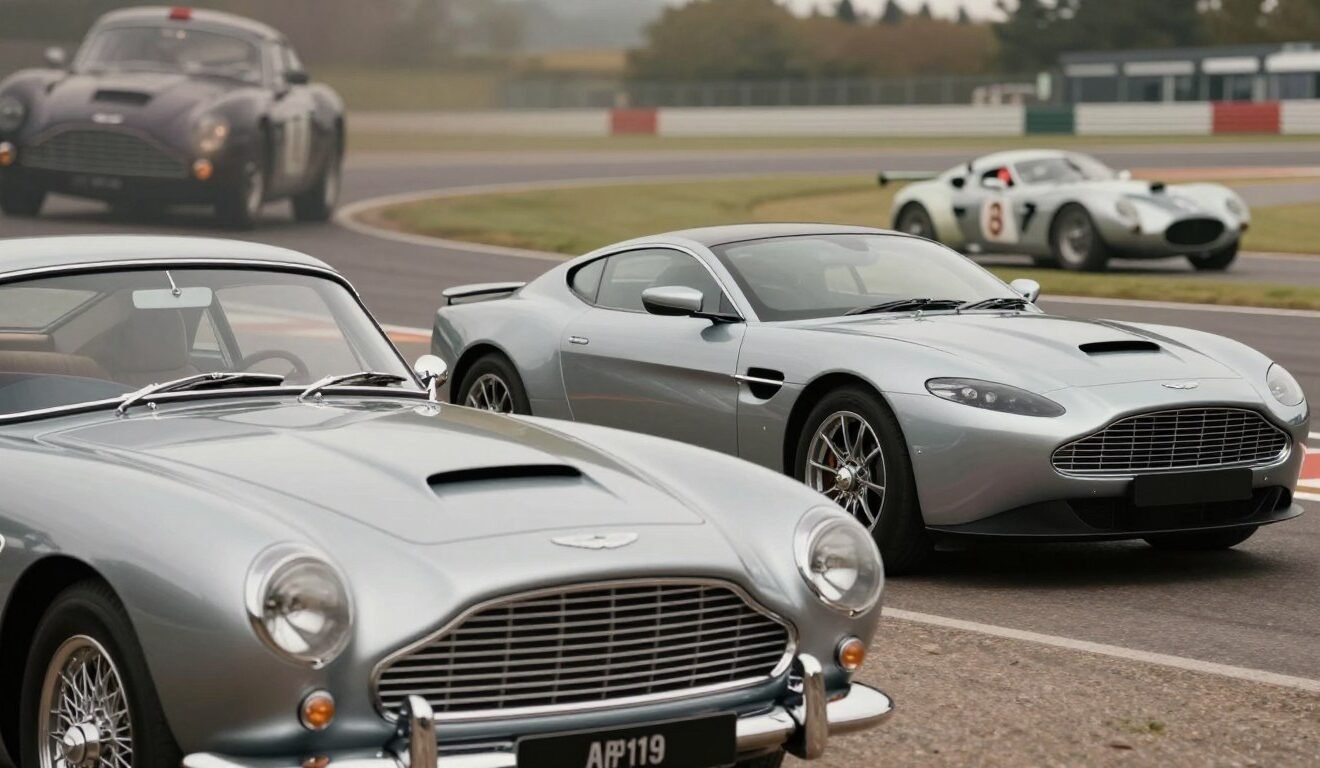
- Aston Martin History: Iconic Models, Motorsport Heritage, and the Design DNA Behind Britain’s Most E
- The Birth of a Legend: Aston Martin's Origins
- Defining the Aston Martin Identity
- The David Brown Era: Transforming Aston Martin
- Aston Martin History: Key Milestones and Transitions
- The Golden Age: DB4, DB5, and DB6
- V8 Power: Aston Martin's Muscle Car Era
- Modern Renaissance: DB7 to DB9
- Contemporary Icons: One-77 to Valkyrie
- The Vantage Legacy
- DBS: From Classic to Superleggera
- Expanding the Range: Four-Doors and SUVs
- Aston Martin's Motorsport Heritage
- The Design DNA of Aston Martin
- Owning an Aston Martin: The Reality
- Conclusion: The Enduring Legacy of Aston Martin
- FAQ
- Who founded Aston Martin and in what year?
- What is the origin of the name "Aston" in Aston Martin?
- What is Aston Martin known for in terms of its vehicles?
- What significant changes occurred under David Brown's ownership of Aston Martin?
- What are some of the most iconic models produced by Aston Martin during its Golden Age?
- What characterized Aston Martin's muscle car era?
- What models spearheaded Aston Martin's modern renaissance?
- What are some contemporary icons of Aston Martin?
- How has the Vantage lineup evolved over time?
- What is the significance of the DBS models in Aston Martin's lineup?
- How has Aston Martin expanded its range in recent years?
- What is Aston Martin's motorsport heritage?
- What are the key elements of Aston Martin's design DNA?
- What are the realities of owning an Aston Martin?
- What is the significance of Aston Martin's legacy?
Aston Martin History: Iconic Models, Motorsport Heritage, and the Design DNA Behind Britain’s Most E#
Aston Martin is famous for mixing beauty, skill, and speed. It was started in 1913 by Lionel Martin and Robert Bamford. The name comes from the Aston Hill Climb, showing its racing roots.

The brand is known for making grand touring cars that look great and go fast. Cars like the DBS Superleggera show Aston Martin’s focus on luxury and power. They have strong V12 engines that give smooth power delivery and a luxurious ride. For more on these legendary engines, check out our guide on V12 engines.
Key Takeaways#
- Aston Martin was founded in 1913 by Lionel Martin and Robert Bamford.
- The brand’s name is inspired by the Aston Hill Climb.
- Aston Martin is known for its grand touring cars that blend elegance and performance.
- The DBS Superleggera is a prime example of Aston Martin’s luxury and performance capabilities.
- Aston Martin’s use of V12 engines enhances the luxury and driving experience of its vehicles.
The Birth of a Legend: Aston Martin’s Origins#
In the early 20th century, Lionel Martin and Robert Bamford started something special. They created a British sports car brand that would become iconic. Their work was filled with innovation, racing wins, and the making of stunning sports cars.
Founders Lionel Martin and Robert Bamford#
Lionel Martin loved cars and racing, while Robert Bamford knew a lot about them. They teamed up in 1913. First, they sold Singer cars and fixed Isotta Fraschini vehicles. This was the start of Aston Martin.
The Aston Hill Climb and Brand Naming#
The name “Aston Martin” comes from the Aston Hill Climb. Lionel Martin won big at this event in 1914. This win led to “Aston” being part of the name. “Martin” was added to honor Lionel’s role in the brand’s early days.

Early Production Models (1914-1925)#
The first Aston Martin car was made in 1915, but World War I stopped production. The early models, from 1914, showed off the latest tech and design. By 1925, Aston Martin was known for making top-notch sports cars.
| Year | Model | Significance |
|---|---|---|
| 1915 | First Aston Martin Car | Marked the beginning of Aston Martin’s production |
| 1914 | Aston Hill Climb Success | Inspired the “Aston” part of the brand name |
| 1925 | Early Production Models | Established Aston Martin as a quality sports car manufacturer |
Aston Martin’s early years were key in shaping its identity. They set the stage for the brand’s future as a legendary sports car maker.
Defining the Aston Martin Identity#
Aston Martin’s brand is deeply rooted in its heritage as a grand touring specialist. It’s not just about the cars they make. It’s also about the values and craftsmanship in each vehicle.
The Grand Touring Specialist Philosophy#
Aston Martin is known for its grand touring cars. These cars offer thrilling performance and luxurious comfort over long distances. They focus on powerful engines, elegant design, and premium materials.

Balancing Performance with Luxury#
The brand excels in balancing high-performance with luxurious amenities. This creates cars that are exciting to drive and comfortable to ride in. This balance is key to Aston Martin’s design DNA.
British Craftsmanship Foundations#
Aston Martin’s commitment to British craftsmanship is clear. They pay close attention to detail and use high-quality materials. This dedication improves the driving experience and boosts the brand’s luxury performance reputation.
In summary, Aston Martin’s identity as a grand touring specialist, its balance of performance and luxury, and its British craftsmanship set it apart in the automotive world.
The David Brown Era: Transforming Aston Martin#
David Brown bought Aston Martin in 1947, changing its history. This time brought new designs, engineering, and branding. It set the stage for Aston Martin’s success.
David Brown’s Acquisition in 1947#
When David Brown took over Aston Martin, the company was struggling. His investment and leadership brought stability and resources. This allowed Aston Martin to grow and improve its cars.
“The acquisition of Aston Martin was a significant step in my business career, and I was determined to make it a success.”

Introduction of the DB Nomenclature#
David Brown introduced the DB nomenclature, starting with the DB1 and DB2. The DB series became known for high-performance sports cars. It remains a key part of Aston Martin’s identity.
The DB nomenclature honored Brown’s initials. It quickly became a symbol of excellence in sports cars.
Engineering Innovations Under Brown’s Leadership#
Under David Brown, Aston Martin made big strides in engineering. The company developed more powerful engines and improved manufacturing. This led to better-quality vehicles.
The engineering innovations during this time were key. They helped Aston Martin succeed in both road cars and motorsports. Automotive historians say the DB models were not just beautiful but also showed impressive technical capabilities.
The impact of David Brown’s era on Aston Martin is huge. It was a time of change that revitalized the company. It set it on a path to becoming a top luxury sports car maker.
Aston Martin History: Key Milestones and Transitions#
Aston Martin’s journey through the decades has been filled with key milestones and changes. These have shaped the brand into what it is today. As a luxury performance brand, Aston Martin has faced many challenges and opportunities.
Post-David Brown Ownership Changes#
After David Brown’s era, Aston Martin saw a change in ownership. The company went through different hands, each with their own vision and challenges. This period was key in shaping the brand’s future.
The Victor Gauntlett Revival#
In the late 1980s, Victor Gauntlett played a big role in reviving Aston Martin. His leadership helped stabilize the company and set the stage for growth. Gauntlett’s efforts were key in restoring Aston Martin’s reputation.
Ford Ownership Period (1987-2007)#
Aston Martin was bought by Ford in 1987, marking a significant time in its history. During this period, Aston Martin got access to Ford’s resources. This led to the development of new models and technologies.

Modern Era Under Private Investment#
In the modern era, Aston Martin has moved to private investment. This allows the company to focus on its core values and innovative designs. This shift has helped Aston Martin continue its legacy as a premier luxury performance brand. For more insights on the legendary powerplants behind exotic cars, including Aston Martin, visit Ride Icons.
The current era has seen Aston Martin embracing new technologies and expanding its model lineup. This ensures its continued relevance in the competitive luxury automotive market.
The Golden Age: DB4, DB5, and DB6#
In the 1960s, Aston Martin made three cars that are now legendary: the DB4, DB5, and DB6. This time is known as Aston Martin’s Golden Age. It was a period of big steps forward in design, engineering, and speed.

The Revolutionary DB4 Design#
The DB4 came out in 1958 and changed Aston Martin’s look forever. Its sleek body, made by Carrozzeria Touring of Italy, raised the bar for British sports cars. The DB4 was not just beautiful but also had a strong engine, combining style with power.
DB5: The Bond Connection and Cultural Impact#
The DB5 was launched in 1963 and made Aston Martin famous for elegant cars. Its role in the 1964 James Bond film “Goldfinger” made it a global icon. The DB5’s luxury features and sophisticated engineering won it many fans.
DB6: Refinement of the Classic Formula#
The DB6 was made from 1965 to 1970 and improved on its predecessors. It had a stronger engine and some design tweaks, showing the best of Aston Martin’s Grand Touring style. Its tailored craftsmanship and driving dynamics made it a favorite among classic car lovers.
| Model | Production Years | Notable Features |
|---|---|---|
| DB4 | 1958-1963 | Aerodynamic design, Inline-six engine |
| DB5 | 1963-1965 | Appearance in “Goldfinger,” Luxury features |
| DB6 | 1965-1970 | More powerful engine, Styling updates |
The DB4, DB5, and DB6 show Aston Martin’s dedication to luxury, performance, and timeless design. These cars are loved by collectors and fans, capturing the spirit of Aston Martin’s Golden Age.
V8 Power: Aston Martin’s Muscle Car Era#
The V8 engines brought Aston Martin into the muscle car era. This change greatly improved the brand’s performance. The models from this time were powerful and stylish, keeping Aston Martin’s luxury and style.
The Original V8 and V8 Vantage#
The V8 was introduced in 1969, starting Aston Martin’s V8 journey. The V8 Vantage followed, known for its power and elegance. It perfectly mixed Aston Martin’s performance and luxury.

Virage and V8 Coupe Evolution#
The Virage came out in 1988, marking a big step for Aston Martin’s V8s. It was followed by the V8 Coupe, each model getting better in performance and luxury. These cars showed Aston Martin’s dedication to high-performance and stylish designs.
The Last Newport Pagnell Handbuilt V8s#
The last V8s made at Newport Pagnell were a mix of old-school craftsmanship and new performance. They showed Aston Martin’s rich history and its skill in combining tradition with modern tech.
Aston Martin’s muscle car era, led by the V8 models, left a big mark on the brand. It showed Aston Martin’s engineering skills and its talent in making cars that are both strong and beautiful.
Modern Renaissance: DB7 to DB9#
The DB7 was a key moment for Aston Martin, starting its modern comeback. Introduced in the late 1990s, it helped the brand shine again and paved the way for more success.
DB7: The Model That Saved Aston Martin#
The DB7 was vital for Aston Martin, helping it get back on track financially. It brought the brand back into the luxury car market. With its sleek look and strong engine, it won over both old fans and new buyers.
The DB7 came in coupe and convertible styles, giving buyers more choices.
Vanquish: The Supercar Statement#
After the DB7’s success, Aston Martin launched the Vanquish. This supercar raised the brand’s profile even higher. It had a powerful V12 engine and a bold design that made it a hit on the road and track.
This model marked a big leap in performance and tech, showing Aston Martin’s skill in making fast cars.
DB9: Defining 21st Century Aston Martin#
The DB9, introduced in 2003, kept Aston Martin moving forward into the 21st century. It improved the brand’s grand touring idea with new materials and tech. The DB9 had an aluminium chassis and new making methods, boosting its performance and efficiency.
The DB9 was offered in coupe and convertible, appealing to many customers.
The DB7, Vanquish, and DB9 together were key in shaping Aston Martin’s modern image. They made the brand a top name in luxury cars and supercars.
Contemporary Icons: One-77 to Valkyrie#
Aston Martin’s lineup today includes hypercars that show the brand’s focus on performance and exclusivity. These cars are the result of Aston Martin’s top engineering and design. They are true marvels of modern technology.
One-77: The Limited Edition Masterpiece#
The One-77 shows Aston Martin’s skill in making rare, high-performance cars. Only 77 were made, showing the brand’s commitment to being unique and fast. It has a V12 engine that makes 750 horsepower, going from 0-60 mph in 3.7 seconds.
Vulcan and Track-Only Specials#
The Vulcan is Aston Martin’s entry into track-only hypercars. It’s for drivers who want the best racing experience. With an 800-horsepower V12 engine, it’s built for speed and agility on the track.
Valkyrie: The Hypercar Revolution#
The Valkyrie is Aston Martin’s most daring project yet, breaking new ground in hypercar tech. It has a hybrid powertrain that makes over 1,000 horsepower. Its design and speed make it a top choice in the hypercar world, showing Aston Martin’s dedication to innovation.
The Vantage Legacy#
The Vantage legacy is a story of performance, innovation, and the relentless pursuit of driving excellence. It has been the pinnacle of Aston Martin’s performance capabilities. It offers a unique blend of power, agility, and style that has captivated driving enthusiasts worldwide.
The Vantage nameplate has its roots in the DB2 Vantage, a model that showcased Aston Martin’s early foray into high-performance motoring. Over the years, the Vantage has evolved through various iterations. Each represents a significant milestone in Aston Martin’s history. The transition from the DB2 Vantage to the modern V8 Vantage is a testament to the brand’s commitment to enhance performance while maintaining the essence of the Vantage spirit.
From DB2 Vantage to Modern V8 Vantage#
The journey of the Vantage began with the DB2 Vantage. It introduced a more powerful engine and sportier styling cues compared to its contemporaries. As Aston Martin progressed, so did the Vantage, with subsequent models like the V8 Vantage bringing significant advancements in technology and performance. The modern V8 Vantage continues this legacy, with a potent blend of power and handling that has made it a favorite among driving enthusiasts.
V12 Vantage: The Ultimate Expression#
A pinnacle in the Vantage lineage is the V12 Vantage, a model that represents the ultimate expression of Aston Martin’s performance prowess. With its powerful V12 engine and finely tuned chassis, the V12 Vantage delivers an exhilarating driving experience. For more insights into the legendary V12 engines that power Aston Martin’s high-performance models, visit V12 Engines Explained.
The New Generation Vantage#
The latest iteration of the Vantage continues to push the boundaries of performance and driving dynamics. With its advanced technology and refined design, the new generation Vantage is poised to further cement the Vantage’s status as a performance icon. The table below highlights the key features of the various Vantage models, showing their evolution over the years.
| Model | Engine | Power Output |
|---|---|---|
| DB2 Vantage | Inline-6 | 140 hp |
| V8 Vantage | V8 | 385 hp |
| V12 Vantage | V12 | 573 hp |
DBS: From Classic to Superleggera#
The DBS name is linked to Aston Martin’s top grand tourers. It started in 1967 as a high-performance sports car for four people.
The Original 1967-1972 DBS#
The first DBS was made from 1967 to 1972. It was known for its sleek look and strong engine. It had:
- A 5.3-liter V8 engine
- A top speed over 140 mph
- Luxurious interior
DBS Revival in the 2000s#
In the 2000s, the DBS name came back with a new model. It was shown at the 2007 Pebble Beach Concours d’Elegance. This new DBS was more powerful and had new tech.
DBS Superleggera: The Super GT#
The DBS Superleggera is the latest version. It mixes Aston Martin’s heritage with modern performance. It has:
- A twin-turbo 5.2-liter V12 engine with 715 horsepower
- A top speed of 211 mph
- Advanced aerodynamics and lightweight build
The DBS Superleggera is the top of Aston Martin’s grand touring line. It combines luxury, performance, and style.
Expanding the Range: Four-Doors and SUVs#
Aston Martin has been adding new models to its lineup. It’s moving beyond its classic two-door sports cars. Now, it offers four-door models and SUVs to attract more people.
Rapide: The Four-Door Sports Car#
The Rapide was Aston Martin’s first four-door sports car. It was a more practical choice than the two-door coupe. The Rapide kept Aston Martin’s high standards of performance and luxury but added more room for passengers.
It faced competition, but the Rapide stayed true to Aston Martin’s roots.
DBX: Aston Martin’s SUV Revolution#
The DBX was a big step for Aston Martin as its first SUV. It aimed to compete in the luxury SUV market. The DBX mixed Aston Martin’s performance and style with the SUV’s practicality.
This SUV has brought in new customers and helped Aston Martin grow globally. For more on legendary cars, visit Ride Icons.
Lagonda Revival Attempts#
Aston Martin tried to bring back the Lagonda brand, known for luxury and innovation. The revival was tough, but it showed Aston Martin’s aim to diversify. The Lagonda brand aimed for more futuristic and tech-savvy vehicles.
Aston Martin’s move into four-door and SUVs shows its dedication to growth. Models like the Rapide and DBX have made the brand more appealing. They keep Aston Martin’s luxury and performance high.
Aston Martin’s Motorsport Heritage#
Aston Martin has been a big name in motorsports for over a century. It has made a lasting impact. The brand’s focus on top-notch performance and new ideas has helped it shine both on and off the track.
Early Racing Success (1920s-1930s)#
In the 1920s, Aston Martin started its motorsport journey. It quickly found success in many racing events. Its first big win was in 1922 at the Aston Hill Climb, which helped shape the brand’s name.
Throughout the 1920s and 1930s, Aston Martin kept racing and built a name for itself. It became known for making fast cars.
Le Mans Glory and Endurance Racing#
Aston Martin’s time at the 24 Hours of Le Mans is a highlight. It won its first Le Mans in 1959 with the DBR1. This was a turning point for the brand.
More wins followed, making Aston Martin a top name in endurance racing.
Modern GT Racing Programs#
Today, Aston Martin is active in GT racing around the world. It shows its racing spirit with high-performance GT models. These cars are built to win and show off the brand’s luxury and speed.
Formula 1 Brand Presence#
Aston Martin has a strong presence in Formula 1. It sponsors and builds F1 cars. Being in F1 has boosted its global image and pushed for new tech. This tech helps improve its road cars too.
| Year | Event | Achievement |
|---|---|---|
| 1922 | Aston Hill Climb | First major victory |
| 1959 | 24 Hours of Le Mans | First Le Mans victory with DBR1 |
| 2020s | GT Racing | Ongoing participation in international GT championships |
Aston Martin’s motorsport history is filled with achievements. From early wins to today’s GT and F1 racing, the brand’s legacy is strong. This legacy drives its car development, keeping the spirit of motorsport alive in every Aston Martin.
The Design DNA of Aston Martin#
Aston Martin’s design DNA is a mix of its rich history and modern style. This blend is seen in its signature design elements that have changed over time.
The Signature Grille Evolution#
Aston Martin’s signature grille is a standout feature. The evolution of the grille shows the brand’s design evolution. From the first models to the latest DBS Superleggera, the grille has become sleeker and more aerodynamic.
Long-Hood, Short-Deck Proportions#
Aston Martin’s cars have a long-hood, short-deck look. This design makes them look dynamic and sporty. It’s a key part of the brand’s design philosophy, showing power and agility.
Interior Craftsmanship Philosophy#
Aston Martin’s interiors are known for luxury and detail. The brand uses top-quality materials and precise techniques in every part of its interiors.
Material Selection and Finishing#
Choosing materials and finishing techniques is key to Aston Martin’s interior craftsmanship. Premium leather, wood, and metal trim create a luxurious feel. The attention to detail ensures a perfect finish.
| Material | Usage | Finishing Technique |
|---|---|---|
| Premium Leather | Seats, Dashboard | Hand-stitched |
| Wood Trim | Dashboard, Console | Hand-polished |
| Metal Trim | Accents, Controls | Machined Finish |
For more on luxury performance brands, check out Ride Icons. They dive into the world of high-performance vehicles.
Owning an Aston Martin: The Reality#
Thinking about owning an Aston Martin? It’s key to know what it really means. This includes maintenance costs and how much the car might lose in value. These luxury cars are tempting, but owning one has its own set of challenges.
Maintenance Costs and Service Requirements#
Aston Martins are fast and powerful, but they cost a lot to keep running. Routine services can be pricey, with some services costing thousands of dollars. For example, a service for a DBS Superleggera can be over $4,000.
| Model | Service Interval | Approximate Cost |
|---|---|---|
| DBS Superleggera | Every 10,000 miles | $4,000 |
| Vantage | Every 10,000 miles | $3,500 |
| DB11 | Every 10,000 miles | $3,000 |
Reliability Considerations by Era#
Reliability changes a lot depending on the Aston Martin model and its age. Older cars might need more work because of their age and tech. But, newer Aston Martins are made with better tech and are more reliable.
“Aston Martin’s modern lineup has made significant strides in reliability, but older models may need more care and attention.”
Depreciation Patterns and Investment Opportunity#
Aston Martins, like many luxury cars, lose value over time. But, some rare or classic models might gain value, making them good investments. It’s all about knowing the market and the car’s condition.
Pre-Purchase Inspection Essentials#
Getting a detailed check before buying an Aston Martin is vital. Look at the car’s condition, service history, and any future problems. A skilled mechanic or Aston Martin expert can offer great advice.
Buying an Aston Martin is a big deal, both in money and upkeep. Prospective owners should think hard about these points to make sure they enjoy owning the car.
Conclusion: The Enduring Legacy of Aston Martin#
Aston Martin’s legacy is deeply rooted in its grand touring heritage. Here, performance meets luxury and craftsmanship. As a luxury performance brand, Aston Martin has always delivered British sports cars. These cars are a perfect mix of style, power, and sophistication.
The brand’s commitment to excellence is clear in its iconic models. From the DB4 to the Valkyrie, each model marks a milestone in Aston Martin’s history. With a rich motorsport heritage and innovative design, Aston Martin keeps pushing the limits of automotive engineering.
Aston Martin remains a leader in the luxury performance segment. It attracts enthusiasts and collectors from all over the world. The brand’s dedication to craftsmanship and performance ensures its legacy will inspire future generations of car enthusiasts.
FAQ#
Who founded Aston Martin and in what year?#
Aston Martin was founded in 1913 by Lionel Martin and Robert Bamford.
What is the origin of the name “Aston” in Aston Martin?#
The name “Aston” comes from the Aston Hill Climb. This was a hillclimb event near Aston Clinton. Lionel Martin won there.
What is Aston Martin known for in terms of its vehicles?#
Aston Martin is famous for its mix of craftsmanship, beauty, and performance. It’s known as a grand touring specialist.
What significant changes occurred under David Brown’s ownership of Aston Martin?#
David Brown took over in 1947. He introduced the DB nomenclature and brought big engineering changes.
What are some of the most iconic models produced by Aston Martin during its Golden Age?#
The DB4, DB5, and DB6 are iconic. They were known for their design and cultural impact during Aston Martin’s Golden Age.
What characterized Aston Martin’s muscle car era?#
The muscle car era was marked by V8 power. Models like the V8 and V8 Vantage showcased this.
What models spearheaded Aston Martin’s modern renaissance?#
The DB7, Vanquish, and DB9 were key. They led Aston Martin’s modern renaissance.
What are some contemporary icons of Aston Martin?#
The One-77, Vulcan, and Valkyrie are modern icons. They represent Aston Martin’s top performance and exclusivity.
How has the Vantage lineup evolved over time?#
The Vantage lineup has grown from the DB2 Vantage to the V8 and V12 Vantage. It shows peaks in performance and driving.
What is the significance of the DBS models in Aston Martin’s lineup?#
The DBS models, like the original DBS and DBS Superleggera, add to Aston Martin’s grand tourer legacy.
How has Aston Martin expanded its range in recent years?#
Aston Martin has added models like the Rapide, a four-door sports car, and the DBX, an SUV. This marks a diversification in its lineup.
What is Aston Martin’s motorsport heritage?#
Aston Martin has a rich motorsport history. It has had early racing wins, Le Mans victories, and modern GT racing.
What are the key elements of Aston Martin’s design DNA?#
Aston Martin’s design DNA includes its signature grille, long-hood, short-deck proportions, and a focus on interior craftsmanship.
What are the realities of owning an Aston Martin?#
Owning an Aston Martin means considering maintenance costs, reliability, depreciation, and investment.
What is the significance of Aston Martin’s legacy?#
Aston Martin’s legacy is built on grand touring, performance, and craftsmanship. It’s a leader in luxury performance.