




1948 Land Rover Series I: The Original Go-Anywhere Utility That Invented the Modern 4×4 Blueprint
1948 Land Rover Series I: The Original Go-Anywhere Utility That Invented the Modern 4×4 Blueprint In postwar Britain, the economy was on the mend, and...
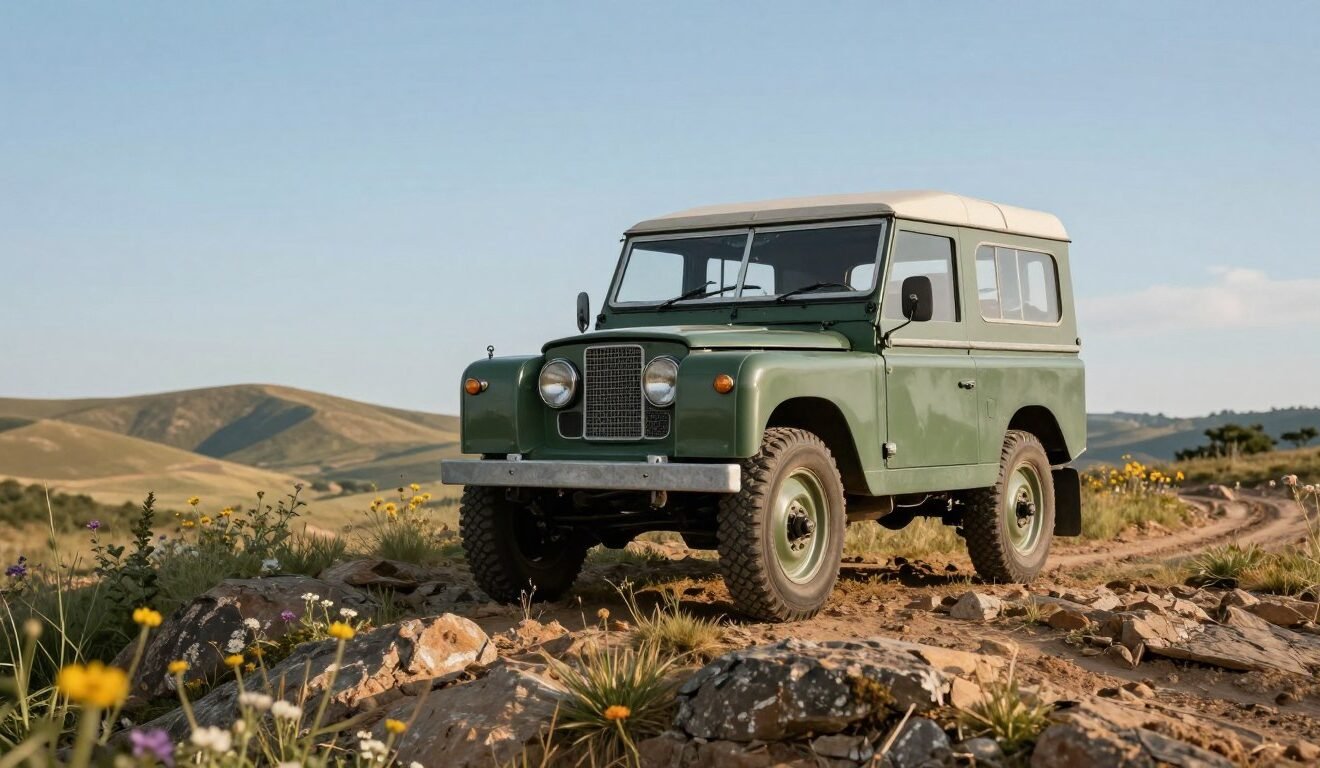
- 1948 Land Rover Series I: The Original Go-Anywhere Utility That Invented the Modern 4x4 Blueprint
- Postwar Britain: The Birth of a Necessity
- The 1948 Land Rover Series I: Revolution on Four Wheels
- Technical Specifications and Design
- Engineering Innovations of the Series I
- Utilitarian Design Philosophy
- The Series I in Real-World Applications
- Global Impact and Market Reception
- Collector's Guide to the 1948 Land Rover Series I
- The Series I Legacy: Blueprint for an Icon
- Conclusion: The Enduring Significance of the Original Land Rover
- FAQ
- What was the primary purpose of the 1948 Land Rover Series I?
- Who designed the Land Rover Series I?
- What was the significance of using Birmabright aluminum body panels in the Land Rover Series I?
- What type of 4WD system did the Land Rover Series I feature?
- How did the Land Rover Series I perform in real-world applications?
- What were some of the key technical specifications of the Land Rover Series I?
- How did the Land Rover Series I influence the broader 4x4 industry?
- What are some critical inspection points when evaluating a classic Land Rover Series I?
- What is the value of a restored or original Land Rover Series I?
- How did the Land Rover Series I contribute to Britain's postwar industrial reputation?
1948 Land Rover Series I: The Original Go-Anywhere Utility That Invented the Modern 4×4 Blueprint#
In postwar Britain, the economy was on the mend, and resources were scarce. Maurice Wilks, Rover’s chief designer, came up with the Land Rover Series I in 1947. It was meant to be a light vehicle for farms and utility work.
The first model, called the “centre steer,” was based on a Jeep. It had a Rover P3 engine and gearbox. This set the stage for a tough 4×4 that could handle farm and industrial tasks.

The Land Rover Series I was made to be easy, tough, and ready for export. It became a model for today’s 4×4 utility vehicles. Its impact goes beyond its original use, shaping the future of 4x4s.
Key Takeaways#
- The Land Rover Series I was conceived in 1947 as a utility vehicle for agricultural and industrial use.
- It was designed to be simple, rugged, and exportable.
- The first prototype was built on a Jeep chassis.
- The Land Rover Series I created a blueprint for modern 4×4 utility vehicles.
- Its influence extends beyond its initial purpose, shaping the development of subsequent 4×4 vehicles.
Postwar Britain: The Birth of a Necessity#
After World War II, Britain needed new ways to solve economic problems. The country had to deal with limited materials and a big need for vehicles to sell abroad. This was to earn much-needed foreign currency.

Material Constraints and Economic Challenges#
The postwar era was marked by tight budgets and a lack of materials. The British government controlled the use of steel and other key materials. This led to the use of unusual materials and designs in manufacturing.
The Need for Agricultural and Export Vehicles#
The need for strong, versatile vehicles was urgent in farming. Traditional farming was becoming more mechanized. Also, Britain’s economy needed to sell vehicles abroad to recover from the war. Vehicles that could handle tough conditions and be sold overseas were key to boosting the economy.
| Vehicle Type | Agricultural Use | Export Potentia |
|---|---|---|
| Land Rover Series I | High | High |
| Willys Jeep | Moderate | Moderate |
| Fordson Tractor | High | Low |
The need for a utility vehicle like the Land Rover Series I was clear. It became a symbol of British creativity and a key part of the auto industry.
The 1948 Land Rover Series I: Revolution on Four Wheels#
The 1948 Land Rover Series I changed the 4×4 world. It was made for tough, versatile use after World War II. Farmers and exporters needed reliable vehicles.
Maurice Wilks, Rover’s chief designer, was key in creating the Land Rover. His time with the U.S. Army’s Willys Jeep during the war shaped its design.
Maurice Wilks and the Original Vision#
Wilks wanted a strong, all-terrain vehicle for many tasks. The first prototype, the “centre steer,” was made in 1947.
From Center-Steer Prototype to Production Model#
The center-steer was a big step towards the final model. The design was improved, and the steering moved to the left for British rules.
The final model had an 80-inch wheelbase and a simple design. Its toughness and versatility made it a hit right away.
The 1948 Motor Show Launch#
The 1948 Land Rover Series I debuted at the Amsterdam Motor Show. This event was a big moment, showing its abilities to the world.
| Model | Wheelbase | Key Features |
|---|---|---|
| Series I | 80 inches | Simple design, durable construction |
| Center-Steer Prototype | – | Influenced production model design |

“The Land Rover was designed to be a farmer’s friend, capable of withstanding the rigors of agricultural work and beyond.”
The 1948 Land Rover Series I was a game-changer. It paved the way for future 4x4s. Its influence on cars is huge, and it’s remembered today.
Technical Specifications and Design#
The 1948 Land Rover Series I was known for its ruggedness and reliability. Its design focused on being functional and durable. This made it perfect for many uses.
Engine and Drivetrain Options#
The Series I came with different engines. First, it had a 1.6-liter petrol engine. Later, it got a 2.0-liter petrol and a 2.0-liter diesel engine. It had a four-wheel-drive system with two-speed transfer case.
This setup let the vehicle tackle tough terrains. It had high and low-range gearing for different conditions.
Chassis and Body Configurations#
The Series I had a strong ladder-frame chassis. Its body was made of Birmabright aluminum alloy panels. These panels were light and didn’t rust easily.
The combination of the chassis and body made the vehicle sturdy. It was also lighter, which helped with performance.
Wheelbase Variations and Body Types#
The Series I came in different wheelbases. There were 80-inch and 86-inch options. It had various body types like pickup, van, and chassis-cab.
This flexibility allowed the vehicle to be used in many ways. It was great for farming and military tasks.
Quick Specs Table#
| Specification | Detail |
|---|---|
| Engine Options | 1.6L Petrol, 2.0L Petrol, 2.0L Diesel |
| Drivetrain | 4-Wheel Drive with 2-Speed Transfer Case |
| Chassis | Ladder Frame |
| Body Material | Birmabright Aluminum Alloy Panels |
| Wheelbase Options | 80-inch, 86-inch |
| Body Types | Pickup, Van, Chassis-Cab |

Engineering Innovations of the Series I#
The 1948 Land Rover Series I was a game-changer. It was built to last and could handle tough tasks. These features were key in the post-war era and set a new standard for 4x4s.

Birmabright Aluminum Body Panels: Necessity Becomes Advantage#
The Series I used Birmabright aluminum for its body. This was a smart move to save steel. The aluminum made the vehicle light and resistant to rust, making it very durable.
Ladder Frame Construction and Durability#
The ladder frame construction was a big win for the Series I. It made the vehicle strong and able to handle tough jobs. This design became a symbol of Land Rover’s commitment to building tough vehicles.
4WD System and Low-Range Transfer Case#
The Series I had a top-notch 4WD system with a low-range transfer case. This let it go anywhere, from muddy fields to rocky mountains. The 4WD system was a key reason for its success, making it possible to do things other cars couldn’t.
Solid Axles and Leaf Spring Suspension#
The Series I had solid axles and leaf spring suspension. This combo gave it the strength and flexibility to tackle tough terrain. The suspension was simple but worked well, keeping the vehicle stable and on track.
The 1948 Land Rover Series I was a true pioneer in the 4×4 world. Its impact can be seen in today’s Land Rover designs. It continues to inspire off-road enthusiasts around the world.
Utilitarian Design Philosophy#
The 1948 Land Rover Series I was built with a focus on function over looks. This was because of the post-war economic struggles and the need for a tough, dependable vehicle. It was made for farm and industrial work.
Form Follows Function: The Minimalist Approach#
The Series I’s design was simple and practical. Its body was made of Birmabright aluminum, chosen for its strength and lightness. This was due to steel shortages.

Field Serviceability and Repair Simplicity#
The Series I was easy to fix and maintain, even in remote areas. It had simple mechanics and parts that were easy to reach. This made it a great choice for those in need of a reliable vehicle.
Comparison to Willys Jeep and Other Early 4x4s#
Compared to the Willys Jeep, the Land Rover Series I was more versatile. It had different wheelbases and body types. While the Jeep was known for its toughness, the Series I offered more options.
| Feature | Land Rover Series I | Willys Jeep |
|---|---|---|
| Body Material | Birmabright Aluminum | Steel |
| Wheelbase Options | Multiple (80″, 86″, 107″) | Single (80″) |
| Serviceability | High | High |
The utilitarian design of the Land Rover Series I was key to its success. It set the stage for the brand’s future as a leader in 4×4 vehicles. Today, Land Rover designs continue to focus on capability, durability, and versatility.
The Series I in Real-World Applications#
The 1948 Land Rover Series I was very versatile. It was used in many areas, showing its worth beyond being a simple utility vehicle. Its toughness and dependability made it perfect for many tasks that needed a strong and reliable 4×4.
Agricultural Workhorse#
The Series I became a key part of farms and agricultural estates. It could handle tough terrain well, making it great for moving equipment and supplies. Farmers loved how durable it was and how easy it was to fix.
Military and Government Service#
The Series I was also used by the military and government. Its 4×4 ability and tough build made it great for military use, where it had to work in harsh conditions. Governments used it for many things, like moving people and supplies.
Early Expedition and Global Exploration Platform#
Explorers and adventurers also used the Series I. Its ability to tackle tough terrain made it perfect for expeditions. It let explorers reach remote places. Its durability and reliability were key for global exploration.
| Application | Key Features | Benefits |
|---|---|---|
| Agricultural | Ruggedness, 4×4 Capability | Durable, Versatile |
| Military/Government | Reliability, Harsh Environment Performance | Operational in Challenging Conditions |
| Expedition/Exploration | Terrain Handling, Durability | Access to Remote Areas, Reliable Performance |
Global Impact and Market Reception#
The Series I 4×4 vehicle made a big mark on the world of cars. It was known for its strong design and ability to adapt to many situations.
Export Success and International Adoption#
The Land Rover Series I was sent to many countries, helping Britain’s industry after the war. It wasn’t just for farms or the military; it was used in many places around the world.
Its export success came from being able to handle different places and conditions. This made it very useful for many countries.
Adaptability Across Different Environments#
The Series I could handle many kinds of terrain and weather. It showed it could be trusted and last a long time in tough conditions.
Building Britain’s Postwar Industrial Reputation#
The Series I helped make Britain’s industry look good after the war. Its success showed the world what British makers could do.
| Region | Adoption Rate | Primary Use |
|---|---|---|
| Europe | High | Agricultural, Military |
| Africa | High | Expedition, Agricultural |
| Asia | Moderate | Military, Agricultural |
| Americas | Moderate | Agricultural, Expedition |
The Land Rover Series I had a big impact worldwide. It was known for its flexibility, toughness, and value in many areas and uses.
Collector’s Guide to the 1948 Land Rover Series I#
For those who love vintage cars, the 1948 Land Rover Series I is a special find. It’s a rare collector’s item that needs a close look and thought.
Critical Inspection Points: Frames and Bulkheads#
When checking out a 1948 Land Rover Series I, look closely at the frames and bulkheads for rust. Areas like the frame rails, bulkheads, and wheel arches are prone to rust. A detailed check can show problems that might lower its value.
Originality vs. Restoration Considerations#
Collectors must think about originality versus restoration. Original parts can boost the car’s value, but good restoration can also make it more attractive. It’s key to judge the quality of any restoration and the materials used.
Parts Availability and Support Network#
Having access to parts and a strong support network is vital for collectors. Luckily, there’s a big community of fans and suppliers for the 1948 Land Rover Series I. Important things to consider include:
- Availability of original and reproduction parts
- Specialist restoration services
- Online forums and clubs for support
Value Factors and Investment#
The worth of a 1948 Land Rover Series I depends on its condition, originality, and history. To understand its investment value, look at recent sales of similar models. Key things to consider are:
- Condition and restoration quality
- Originality and matching numbers
- Historical significance and provenance
By thinking about these points, collectors can make smart choices when buying a 1948 Land Rover Series I. This ensures it’s a great addition to their collection.
The Series I Legacy: Blueprint for an Icon#
The 1948 Land Rover Series I is more than a historical milestone. It’s the foundation of the modern 4×4 industry. Its design and capabilities paved the way for future Land Rover models, including the Series II and III, and the iconic Defender.
Evolution into Later Models#
The Series I’s success set the stage for its successors. The Series II and III models built on its design and engineering. The evolution of these models shows how the Series I’s legacy shaped the Land Rover brand.
| Model | Production Years | Notable Features |
|---|---|---|
| Series I | 1948-1958 | Original 4×4 configuration, Birmabright aluminum body |
| Series II | 1958-1961 | Improved engine options, enhanced durability |
| Series III | 1971-1985 | Further refinements, increased comfort and capability |
The Defender Lineage#
The Series I’s influence is clear in the Defender. This model carries the spirit of the original while adding modern touches. The Defender’s popularity shows the Series I’s lasting impact.
Design DNA in Modern Land Rover Products#
The Series I’s design and capabilities shape modern Land Rover products. The brand’s focus on ruggedness, versatility, and off-road capability comes from the Series I’s pioneering design.
Influence on the Broader 4×4 Industry#
The Series I’s impact goes beyond Land Rover, influencing the 4×4 industry as a whole. Its 4×4 system and rugged design have inspired many manufacturers, shaping the modern off-road scene.
In conclusion, the Land Rover Series I is a true icon. Its legacy continues to shape the automotive industry. Its influence is seen in modern Land Rover products and the broader 4×4 industry, making it a pioneering vehicle in off-road motoring.
Conclusion: The Enduring Significance of the Original Land Rover#
The 1948 Land Rover Series I is a true icon. It’s known for its simplicity, durability, and ability to go anywhere. It was the first of its kind, changing the car world forever.
This vehicle’s design and engineering were ahead of its time. Its impact is seen in today’s Land Rovers. It also inspires fans and collectors all over the globe.
The original Land Rover didn’t just change its own line. It also set the standard for all 4x4s. Its design and toughness are benchmarks that are felt even now.
FAQ#
What was the primary purpose of the 1948 Land Rover Series I?#
The 1948 Land Rover Series I was made to be a versatile vehicle. It was for use in farming and industry in postwar Britain.
Who designed the Land Rover Series I?#
Maurice Wilks, Rover’s chief designer, designed the Land Rover Series I.
What was the significance of using Birmabright aluminum body panels in the Land Rover Series I?#
Birmabright aluminum body panels were used due to material shortages in postwar Britain. They were also durable and resistant to corrosion.
What type of 4WD system did the Land Rover Series I feature?#
The Land Rover Series I had a part-time 4WD system. It included a low-range transfer case for better traction in tough terrain.
How did the Land Rover Series I perform in real-world applications?#
The Land Rover Series I was used in many ways. It was used in farming, military service, and for early expeditions. It showed its versatility and capability.
What were some of the key technical specifications of the Land Rover Series I?#
The Land Rover Series I had various engine and drivetrain options. It had a ladder frame and solid axles with leaf spring suspension. This made it rugged and durable.
How did the Land Rover Series I influence the broader 4×4 industry?#
The Land Rover Series I was key in shaping the modern 4×4. It influenced the design of future 4×4 vehicles, including the Land Rover Defender.
What are some critical inspection points when evaluating a classic Land Rover Series I?#
Important checks include the frames and bulkheads’ condition, rust or corrosion signs, and the authenticity of original parts.
What is the value of a restored or original Land Rover Series I?#
The value of a Land Rover Series I depends on its condition, originality, and rarity. It’s a valuable collector’s item for enthusiasts.
How did the Land Rover Series I contribute to Britain’s postwar industrial reputation?#
The Land Rover Series I helped establish Britain as a major utility vehicle maker. It boosted the country’s postwar industrial reputation through exports and global adoption.