




25 Most Influential Concept Cars That Shaped Production Design (With What Made It to the Road) + Winter Driving Addendum
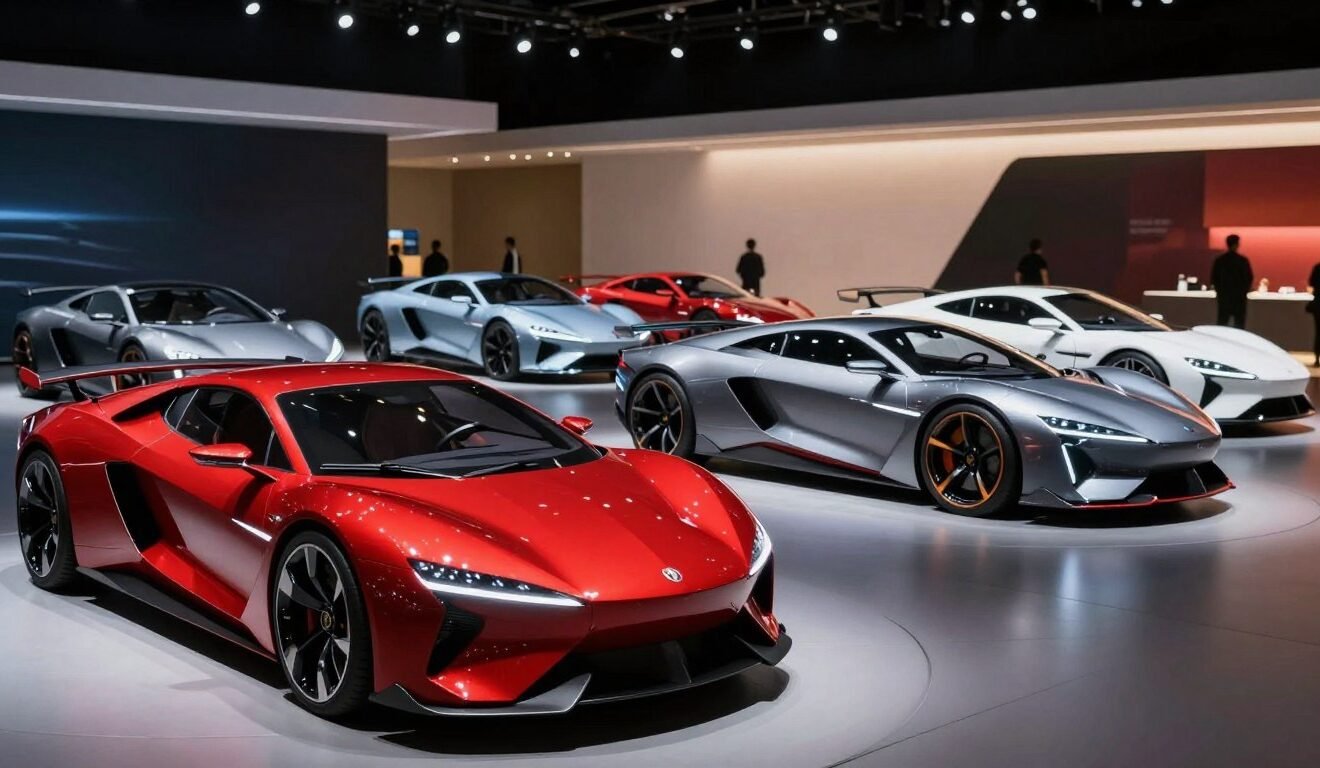
25 Most Influential Concept Cars That Shaped Production Design (With What Made It to the Road)
Concept cars are more than just styling exercises. They show the future of cars, pushing limits in design, tech, and speed. The best ones inspire car lovers and guide tomorrow’s car designs.
So, what makes a concept car stand out? It’s about bringing new designs, tech, or speed to real cars. This changes how we see and drive cars.

This article looks at 25 automotive concept cars that changed car design. We’ll see the new ideas that made it to the road. And how they’ve made driving better.
Key Takeaways
- Understanding what makes a concept car influential.
- Exploring the 25 concept cars that shaped production design.
- Identifying the innovations that made it to production vehicles.
- Analyzing the impact on real-world driving experiences.
- Highlighting the future of automotive design and technology.
The Visionary Role of Concept Cars in Automotive Evolution
Concept cars are more than just showpieces. They are visionary vehicles that shape the future of cars. These cars let manufacturers try out new ideas, materials, and technologies. These ideas might later be used in real cars.

How Concept Cars Shape Future Production Models
Concept cars like the Alfa Romeo BAT series and the Aston Martin Bulldog have changed real cars. The BAT series showed off aerodynamic designs that are now common in many cars. The Aston Martin Bulldog’s design has also influenced later Aston Martin models.
- Innovative design elements are tested and refined through concept cars.
- Concept cars allow manufacturers to gauge public reaction to new designs and technologies.
- Successful concept car features are often incorporated into production models.
The Delicate Balance Between Fantasy and Feasibility
Concept cars aim to be visionary but must also be practical. Designers have to think about costs, rules, and how to make them when creating concept cars. This balance makes sure new ideas can be used in real cars.
As cars keep getting better, concept cars will lead the way. They drive the change in car design and push what’s possible in car engineering.
What Makes a Concept Car Truly Influential?
To understand what makes a concept car influential, we look at its design, technology, and engineering. These cars not only excite car lovers but also shape the future of the auto industry.
Design Language Impact
A concept car’s design can greatly influence future cars. The design elements in concept cars often become standard in later models. The aerodynamic profiles and innovative materials in these cars can change a brand’s look.

Technology Migration to Production
Concept cars test new technologies that later appear in production cars. They introduce advanced driver-assistance systems (ADAS) and infotainment systems first. These advancements make driving safer and more enjoyable.
Packaging and Engineering Breakthroughs
Innovative packaging and engineering in concept cars lead to big improvements in production cars. For example, they show alternative powertrains and advanced battery technologies that are used in electric vehicles (EVs).
Our Influence Scoring Methodology
We have a scoring system to measure a concept car’s influence. It looks at design impact, technology adoption, and engineering innovations. Our scoring is based on these criteria:
| Criteria | Description | Weightage |
|---|---|---|
| Design Impact | How significantly the concept car’s design influences future production models | 30% |
| Technology Adoption | The extent to which technologies introduced in the concept car are adopted in production vehicles | 40% |
| Engineering Innovations | The novelty and impact of engineering solutions and innovations introduced by the concept car | 30% |
As
“The best way to predict the future is to invent it.” – Alan Kay
, concept cars are all about innovation. They push the limits of what’s possible in car design and technology.
From Drawing Board to Showroom: The Concept-to-Production Pipeline
Turning a concept car into a real vehicle is a detailed process. It mixes creativity with practical needs. This journey includes many steps, from the first design ideas to making sure it meets rules and can be made.
Design Concept Development Process
The design concept stage is key in the concept-to-production journey. It starts with sketches and digital models, where designers play with different ideas. Computer-aided design (CAD) tools help make these ideas into detailed plans. For more on how concept cars lead to production vehicles, check out Ride Icons.
Regulatory and Manufacturing Constraints
As designs move forward, they must follow rules and be affordable to make. They need to pass safety tests and meet emission standards. Crash testing and simulation are key to making sure the car is safe.
| Stage | Description | Key Considerations |
|---|---|---|
| Design Concept | Initial sketches and digital modeling | Aesthetics, Feasibility |
| Regulatory Compliance | Adhering to safety and emission standards | Safety Regulations, Emission Standards |
| Manufacturing | Production planning and cost analysis | Production Costs, Manufacturing Feasibility |
Why Some Design Elements Survive While Others Don’t
What makes it from concept to production depends on several things. Manufacturing ease, cost, and how much people like it play big roles. Things that are too hard or expensive might get cut. But designs that people love are more likely to make it.

Pioneering Concepts: The Birth of the Dream Car (1938-1955)
Between 1938 and 1955, the dream car started to take form. It was shaped by new designs and tech in cars. This time was key for making concept cars that would change real cars later.
1938 Buick Y-Job: America’s First True Concept Car
The Buick Y-Job is seen as America’s first concept car. It came out in 1938 with a sleek look and cool features like power windows. It was more than just a pretty face; it tested new tech and designs for future Buicks.
1941 Chrysler Thunderbolt: Retractable Hardtop Innovation
The Chrysler Thunderbolt was a big deal in 1941. It had a retractable hardtop, a big step forward at the time. This design made the car look great and was practical like a convertible. The Thunderbolt was a major step in concept car history.

1951 GM LeSabre: Jet Age Inspiration
The GM LeSabre from 1951 was all about the jet age. It had a futuristic look and new features. Harley Earl designed it with a sleek body and a wrap-around windshield. It showed GM’s dream for car design, with features that would soon be common.
1954 GM Firebird I: Turbine Power Exploration
The GM Firebird I was introduced in 1954. It was the first Firebird concept and used a gas turbine engine. This was a big change from traditional engines. The Firebird I was a hit for its unique design and innovative power.
| Concept Car | Year | Innovative Feature |
|---|---|---|
| Buick Y-Job | 1938 | Power windows, concealed headlights |
| Chrysler Thunderbolt | 1941 | Retractable hardtop |
| GM LeSabre | 1951 | Jet Age design, wrap-around windshield |
| GM Firebird I | 1954 | Gas turbine engine |
The Most Influential Concept Cars of the Space Age (1955-1970)
As the Space Age began, car makers started to explore new designs and tech. They created cars that were not just beautiful but also had cutting-edge features. These features would soon become common in everyday cars.

1955 Lincoln Futura: From Concept to Batmobile
The Lincoln Futura was a groundbreaking concept car in 1955. Its design, with fins and a bubble-top, was instantly iconic. It even became the Batmobile for the 1960s TV series “Batman.”
1956 Buick Centurion: Bubble-Top and Rear Camera Pioneer
The Buick Centurion introduced cool features like a bubble-top canopy and a rear camera. The camera showed images on a TV screen inside, making rear-view mirrors unnecessary.
1967 Lamborghini Marzal: Gullwing Door Revolution
The Lamborghini Marzal had gullwing doors that added an exotic touch. Designed by Marcello Gandini, it was known for its sleek design and innovative doors. It influenced future Lamborghini models.
1970 Ferrari 512 S Modulo: Wedge Design Trendsetter
The Ferrari 512 S Modulo, designed by Paolo Martin, is famous for its extreme wedge design. It had a low profile and a canopy roof, showing the future of car design. Its radical design influenced future supercars.
Concept cars of the Space Age showed the era’s love for space and tech. They played a big role in shaping car design. These cars, with their innovative designs and tech, inspire car makers today.
Wedge Era and Oil Crisis Responses (1970-1985)
The Wedge Era started in the early 1970s. It was known for its sharp, angular designs. The oil crisis made cars more efficient and aerodynamic. Concept cars from this time showed off new designs and tech to solve big problems.

1970 Lancia Stratos Zero: Radical Proportions
The Lancia Stratos Zero was a groundbreaking concept. It had an extreme wedge shape and futuristic look. Its unique design and features made it a hit at auto shows, shaping future car designs.
1972 BMW Turbo: Safety and Performance Fusion
BMW’s Turbo concept combined high-performance capabilities with safety. It looked great and had features that became common in cars, like advanced aerodynamics.
1970 Nissan 126X: Japanese Futurism
Nissan’s 126X showed Japanese futurism in car design. It had a sleek, wedge-shaped body that looked good and was efficient. It marked Nissan’s move into new design and tech.
1983 Toyota 4500GT: Aerodynamic Exploration
The Toyota 4500GT explored new boundaries in aerodynamics. Its sleek design was not just pretty but also helped with fuel efficiency. It was a response to the oil crisis.
These concept cars of the Wedge Era were key to car design and tech. They set trends that are seen in cars today. They show how important concept cars are in the car industry’s growth.
Digital Revolution Concepts (1985-2000)
Between 1985 and 2000, the car world changed a lot. The Digital Revolution brought new tech and design ideas. These changes shaped the future of cars.

1987 Mazda MX-04: Interchangeable Body Concept
The Mazda MX-04 showed a new way to design cars. It had body panels that could change, making one chassis fit many styles. This idea could save money and let people customize their cars more.
1989 Lexus F1: Luxury Redefined
The Lexus F1 was a sneak peek at the Lexus LS400. It had a cool design and a strong V8 engine. Its creation set new standards for luxury and performance.
“The Lexus F1 was more than just a concept; it was a statement of intent, showing Lexus’s commitment to luxury and quality.”
1993 Audi Avus Quattro: Aluminum Space Frame Pioneer
The Audi Avus Quattro was a game-changer. It used an aluminum space frame to be light but strong. This idea helped future Audis be better and more efficient.
| Concept Car | Innovation | Impact |
|---|---|---|
| Mazda MX-04 | Interchangeable body panels | Modular design possible |
| Lexus F1 | Luxury sedan design | Redefined luxury segment |
| Audi Avus Quattro | Aluminum space frame | Lightweight construction |
1995 Ford GT90: Digital Design Showcase
The Ford GT90 was a tech wonder. It showed what digital design could do in the 1990s. Its design and materials were ahead of its time.
Key Features of Digital Revolution Concepts:
- Advanced materials and making techniques
- New design ideas, like modular designs
- Use of digital design tools
- Better performance and efficiency
Concept cars from this era showed off the tech of their time. They also set the stage for future car innovations.
Millennium Transition Concepts (2000-2010)
The millennium transition saw the debut of many groundbreaking concept cars. These vehicles showcased new designs and cutting-edge technologies. They set the stage for the future of cars.
1998 Volkswagen W12: Engine Configuration Innovation
The Volkswagen W12 amazed with its W12 engine. It was small but packed a big punch. This car showed how to make a powerful engine without taking up too much space.
Its sleek design caught the eye of car lovers everywhere. It was a glimpse into the future of car design.
1999 BMW Z9 Gran Turismo: iDrive Precursor
The BMW Z9 Gran Turismo was a big deal. It introduced the iDrive system, now common in BMWs. Its design was sleek and luxurious, setting a new standard for luxury cars.
Its influence can be seen in many BMWs today. They share its design and tech advancements.

2001 Cadillac Sixteen: Art & Science Design Language
The Cadillac Sixteen was all about “Art & Science.” It had a sleek body and a luxurious inside. It was powered by a V16 engine, showing Cadillac’s dedication to luxury and power.
Its design, with clean lines and a bold grille, has shaped Cadillac’s look. It’s a key part of Cadillac’s style today.
2006 Saab Aero X: Canopy Cockpit and Minimalism
The Saab Aero X was a bold concept. It had a unique canopy cockpit and a minimalist design. It showed Saab’s innovative spirit, focusing on simplicity and function.
Its design, like its gull-wing doors, pushed car design boundaries. It was a true innovation in car design.
In conclusion, the concept cars of the millennium transition were key. They introduced new designs and technologies. These innovations have shaped the cars we drive today.
Electrification Pioneers (2010-2018)
From 2010 to 2018, the car world saw a big change towards electric cars. These concept cars were at the forefront of this change. They showed what electric cars could be like, pushing limits in design, tech, and speed.
2009 BMW Vision EfficientDynamics: i8 Precursor
The BMW Vision EfficientDynamics was a big step towards the i8. It had a special engine and electric motor, making it very fuel-efficient. This car showed BMW’s goal to cut down on emissions and led the way for hybrid cars.
2011 Porsche Mission E: Taycan’s Blueprint
Porsche’s Mission E was a key step towards the Taycan. It had an electric motor and cutting-edge tech, showing Porsche’s dream for fast electric cars. Its design and tech set the stage for the Taycan, marking a big step towards electric cars.

2016 Mercedes-Benz Generation EQ: EQC Foundation
The Mercedes-Benz Generation EQ was a big moment for Mercedes-Benz’s electric plans. It led to the EQC, a luxury electric SUV. This car showed Mercedes-Benz’s new look for electric cars, blending future and luxury.
2018 Audi e-tron GT Concept: Production-Ready Showcase
Audi’s e-tron GT Concept was almost ready for production in 2018. It showed Audi’s commitment to electric cars with its fast engine and sleek design. This concept showed what the e-tron GT could be, setting it up for success.
| Concept Car | Year | Notable Features |
|---|---|---|
| BMW Vision EfficientDynamics | 2009 | Advanced hybrid drivetrain, precursor to i8 |
| Porsche Mission E | 2011 | All-electric drivetrain, blueprint for Taycan |
| Mercedes-Benz Generation EQ | 2016 | Foundation for EQC, new design language |
| Audi e-tron GT Concept | 2018 | Near-production preview, high-performance electric |
Contemporary Concept Influencers (2019-Present)
From 2019 on, concept cars have seen big changes. Car makers are exploring new ideas. They’re making cars that look bold and use the latest tech.
2019 Hyundai 45 Concept: Retro-Future IONIQ 5 Template
The Hyundai 45 Concept came out in 2019. It honored Hyundai’s past while showing off its electric future, like the IONIQ 5. This car mixed old-school looks with new tech, showing Hyundai’s skill in combining the two.
2020 Cadillac Lyriq Show Car: Near-Production Preview
In 2020, Cadillac showed off the Lyriq Show Car. It was almost the real deal for Cadillac’s first electric car. The Lyriq was sleek and packed with tech, like a huge 33-inch OLED screen. It set a high bar for Cadillac’s look and tech.
2021 Lexus LF-Z Electrified: New Brand Direction
The Lexus LF-Z Electrified concept came out in 2021. It was a big change for Lexus. It had a cool design and was electric, showing Lexus’s move to electric cars and a new look.
2022 Lincoln Model L100: Autonomous Luxury Vision
The Lincoln Model L100 concept was shown in 2022. It showed Lincoln’s dream for the future of luxury cars. It focused on driving itself and had a fancy inside, showing Lincoln’s aim to change the car experience.
These concept cars are changing the game for their brands and the whole car world. They’re pushing limits in design, tech, and green cars. They’re setting new rules for the industry.
Winter Warriors: Cold-Weather Innovations from Concept Cars
Concept cars have been key in making modern cars better in cold weather. They’ve tested new tech like all-wheel drive and advanced HVAC systems. These innovations have made cars safer and more reliable in winter.
All-Wheel Drive Systems Born in Concepts
All-wheel drive (AWD) systems are now common in cars, thanks to concept cars. The Audi Quattro was a concept that changed how cars handle snow and ice. AWD makes cars more stable and easier to control in bad weather.
| Concept Car | AWD Innovation |
|---|---|
| Audi Quattro | Pioneered AWD technology |
| Subaru BRZ | Performance-oriented AWD |
HVAC and Defrost Technology Evolution
Heating, ventilation, and air conditioning (HVAC) systems have gotten much better thanks to concept cars. Now, cars can defrost windshields faster and keep cabins warm. This makes driving in winter safer and more comfortable.
“The development of advanced HVAC systems has been critical in keeping drivers safe and comfortable in cold weather.”
EV Thermal Management Solutions
Electric vehicles (EVs) struggle in cold weather because their batteries don’t work as well. Concept cars have led to new ways to keep EVs warm, like better insulation and heating systems.
Sensor Technology
Sensor technology has greatly helped cars perform better in cold weather. These sensors check temperature, humidity, and more. They help control things like traction and heating to keep the car running smoothly.
In summary, concept cars have been vital in creating tech that helps cars handle winter better. As cars keep getting smarter, we’ll see even more cool tech from concept cars.
Concept Car DNA in Today’s Production Vehicles
Concept cars are now a big part of today’s cars. They test new designs and tech, which often ends up in real cars.
Lighting is a big area where concept cars shine. They use advanced LED tech and creative designs. Now, these features are common in cars we buy.
Lighting Signatures That Made the Transition
Concept cars started the trend of cool lighting in cars. LED strips and matrix lighting are now everywhere. Laser lighting, seen first in BMW’s Vision Future Luxury, is now in the Audi R8.
Grille and Front-End Design Elements
Concept cars also shape car fronts. They bring bold, futuristic looks to real cars. For example, BMW’s kidney grille design is now a key feature in many of their cars.
| Concept Car | Production Model | Design Element |
|---|---|---|
| BMW Vision Future Luxury | Audi R8 | Laser Lighting |
| BMW Concept 4 | BMW 4 Series | Kidney Grille Design |
Interior Technologies and Materials
Concept cars also lead in car interiors. They introduce new tech, green materials, and comfy designs. These ideas are now in our cars. For example, using recycled materials in concept cars is becoming common in real cars.
“The interior of a car is no longer just about functionality; it’s about creating an experience. Concept cars have shown us the way forward with innovative materials and designs.”
The car world is always changing. Concept cars will keep influencing real cars, bringing us new designs and tech.
Where to Experience Influential Concept Cars
Concept cars are key to innovation in the car world. You can see them up close in several ways. They show off new designs and tech that might soon be in regular cars.
Museum Collections and Special Exhibitions
Many car museums worldwide have big collections of concept cars. For example, The Petersen Automotive Museum in Los Angeles has a special exhibit on these cars. The Henry Ford Museum in Detroit also has a great collection that shows historical innovations.
Major Auto Shows Featuring Concepts
Car shows are where new concept cars are first shown. Events like Detroit Auto Show, Frankfurt Motor Show, and Tokyo Motor Show are full of these cars. They let you see the latest designs and tech up close.
Digital Archives and Virtual Tours
If you can’t go to museums or shows, digital archives and tours are a good option. Many car makers have online galleries and 360-degree views of their concept cars. Also, some websites and blogs have lots of concept car pictures and info.
| Platform | Description | Notable Examples |
|---|---|---|
| Museums | Physical exhibitions showing historical and modern concept cars | The Petersen Automotive Museum, The Henry Ford Museum |
| Auto Shows | Events where new concept cars are unveiled | Detroit Auto Show, Frankfurt Motor Show, Tokyo Motor Show |
| Digital Archives | Online platforms with concept car images, info, and virtual tours | Manufacturer websites, automotive blogs, online galleries |
Win a Limited Edition Concept Car Design Book
We’re excited to announce an exclusive contest. You can win a rare concept car design book. It celebrates the most influential designs in automotive history.
Contest Details and Entry Requirements
To enter, just give us your name, email, and tell us about your favorite concept car. The contest is open to U.S. residents, 18 and older.
- Provide your name and email address
- Answer a simple question about your favorite concept car
- Ensure you’re 18 or older and a resident of the United States
Prize Description and Timeline
The prize is a limited edition concept car design book. It has detailed illustrations and descriptions of key concept cars. The contest will last four weeks. The winner will be announced within two weeks after it ends.
Key Contest Timeline:
- Contest opens: [Insert Date]
- Contest closes: [Insert Date, four weeks later]
- Winner announced: [Insert Date, two weeks after closing]
Conclusion: The Lasting Impact of Concept Cars on Automotive Design
Concept cars have made a big impact on the car world. They bring new ideas and styles to the table. These cars show off what cars could look like in the future.
Today’s cars owe a lot to concept cars. They have sleek designs and new tech features. Things like all-wheel-drive and fancy lights were first seen in concept cars.
Concept cars keep pushing the limits of car design. They inspire new electric and self-driving cars. Brands like Hyundai, Cadillac, and Lexus are showing off their ideas for the future.
Concept cars remind us of the car industry’s drive for new ideas. They shape what cars will look like tomorrow.
FAQ
What is the significance of concept cars in shaping production design?
Concept cars are key in shaping production design. They introduce new designs, technologies, and innovations. These ideas then make their way into production vehicles.
How do concept cars influence the automotive industry?
Concept cars push the limits of design, technology, and innovation. This drives the creation of new production vehicles. It also shapes the future of the industry.
What makes a concept car truly influential?
A concept car is truly influential if it impacts production design. It introduces new technologies or design languages. It also leaves a lasting legacy in the automotive industry.
How do concept cars transition from the drawing board to the showroom?
Concept cars go from the drawing board to the showroom through a process. It involves design concept development and regulatory and manufacturing constraints. The selection of design elements that are feasible for production is also part of it.
What are some of the most influential concept cars in history?
Some influential concept cars include the 1938 Buick Y-Job and the 1955 Lincoln Futura. The 1967 Lamborghini Marzal and the 2009 BMW Vision EfficientDynamics are also notable.
How have concept cars contributed to the development of electric vehicles?
Concept cars have been key in the development of electric vehicles. They introduced new design languages, technologies, and innovations. These have paved the way for the production of EVs.
What role do concept cars play in showing new technologies?
Concept cars showcase new technologies like advanced aerodynamics and innovative materials. They also show cutting-edge infotainment systems. These can eventually be used in production vehicles.
Where can I experience influential concept cars?
You can see influential concept cars at museum collections and major auto shows. They are also available through digital archives and virtual tours.
How do concept cars impact the design of production vehicles?
Concept cars influence the design of production vehicles. They introduce new design languages, proportions, and features. These can be adapted and refined for production.
What is the relationship between concept cars and production vehicles?
Concept cars and production vehicles are closely related. Concept cars often preview the design, technologies, and innovations of production vehicles.
How have concept cars influenced the development of autonomous vehicles?
Concept cars have influenced the development of autonomous vehicles. They showcase new design languages, technologies, and innovations relevant to autonomous driving.
What is the significance of concept cars in the context of automotive history?
Concept cars are significant in automotive history. They provide a glimpse into the future of the industry. They showcase new ideas, technologies, and design languages that shape automotive evolution.