




1955 Citroën DS: The Space-Age French Sedan That Rewrote Ride Comfort, Handling, and Design
1955 Citroën DS: The Space-Age French Sedan That Rewrote Ride Comfort, Handling, and Design The 1955 Citroën DS first appeared at the Paris Motor Show...
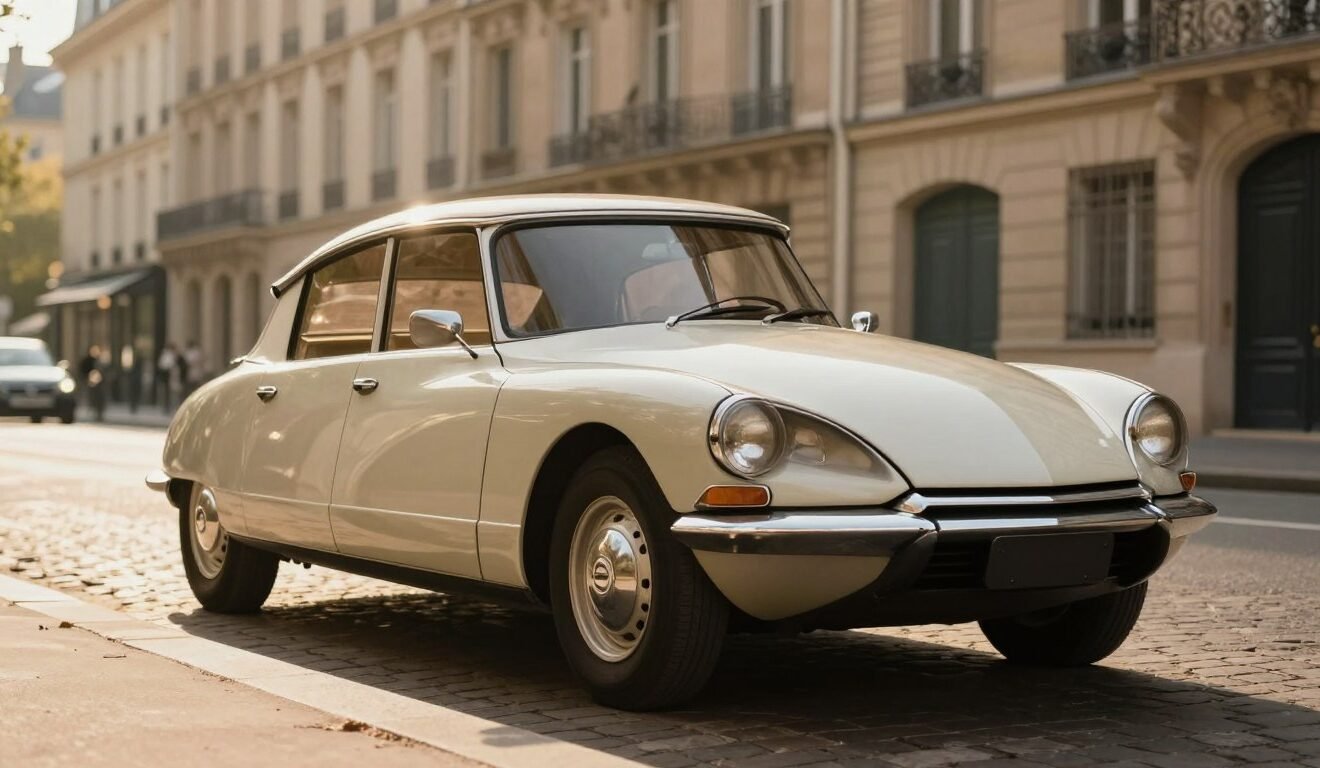
- 1955 Citroën DS: The Space-Age French Sedan That Rewrote Ride Comfort, Handling, and Design
- The Automotive Revolution of 1955
- Historical Context: Automotive Landscape of the 1950s
- The 1955 Citroën DS: Technical Specifications
- The Revolutionary Hydropneumatic Suspension System
- High-Pressure Hydraulic System: The Heart of the DS
- Aerodynamic Design Philosophy
- Interior Design and Ergonomics
- Technological Innovations Beyond the Basics
- The DS as a Cultural Icon
- Ownership Considerations for Collectors
- Restoration Challenges and Opportunities
- Conclusion: The Enduring Legacy of the DS
- FAQ
- What made the 1955 Citroën DS so revolutionary?
- How did the Citroën DS debut at the 1955 Paris Motor Show?
- What was the significance of the hydropneumatic suspension system in the Citroën DS?
- How did the high-pressure hydraulic system integrate various functions in the Citroën DS?
- Who designed the Citroën DS?
- What were some of the advanced technologies incorporated into the Citroën DS?
- What impact did the Citroën DS have on French national identity?
- What are some of the challenges of maintaining and restoring a Citroën DS?
- What should be aware of when considering a Citroën DS purchase?
- What is the legacy of the Citroën DS in the automotive industry?
1955 Citroën DS: The Space-Age French Sedan That Rewrote Ride Comfort, Handling, and Design#
The 1955 Citroën DS first appeared at the Paris Motor Show on October 6, 1955. It caused a big stir in the car world. In the first 45 minutes, 749 people wanted one. By the end of the day, that number jumped to 12,000.

The DS was truly ahead of its time. It had a sleek design and a special suspension. This made it very comfortable and smooth to drive.
Its technology was also groundbreaking. It used high-pressure hydraulics for better braking and control. This made the DS feel like a car from the future.
Key Takeaways#
- The Citroën DS debuted at the Paris Motor Show in 1955.
- It featured a revolutionary aerodynamic design.
- The DS had a hydropneumatic, self-leveling suspension.
- Advanced hydraulics improved braking and control.
- The DS was a symbol of the space age.
The Automotive Revolution of 1955#
On October 6, 1955, the Citroën DS made a big splash at the Paris Motor Show. It wasn’t just a new car; it was a sign of a new era in cars. This era brought new designs and engineering to the table.
A Design and Engineering Shockwave#
The Citroën DS was a space-age sedan that amazed everyone with its look and tech. Its sleek body, designed by Flaminio Bertoni, was unlike any car before. The DS’s design was not only beautiful but also very functional.
It had features that would soon become common in cars. These features made driving better and safer.

The Paris Motor Show Debut#
The Citroën DS made a huge impact right away. At the 1955 Paris Motor Show, it got 743 orders in just 15 minutes. By the end of the show, Citroën had 80,000 deposits. This showed how much people loved the DS.
This love was clear from the start. The Citroën DS was going to shock at launch and change cars forever.
The DS’s debut was more than just a new car launch. It was a turning point in car history. It started a new era in car design and technology.
Historical Context: Automotive Landscape of the 1950s#
In the 1950s, cars were made using old methods and designs. Most cars had a body and frame built separately. This made them heavy and hard to design.
Conventional Body-on-Frame Construction#
Most cars in the 1950s had a separate body and frame. This made them heavy and complex. It was easy to make but had big downsides.
Traditional Suspension Systems#
Old cars used springs and dampers for suspension. They worked okay but didn’t handle different roads well. The Citroën DS later changed this with its new suspension.
Styling Norms of the Era#
Cars in the 1950s focused on looks, with lots of chrome and fancy designs. The Citroën DS was different, with its sleek design. It was seen as a symbol of innovation. Classic Citroën models like the DS are now a big influence on car design.

The 1950s were a time of big change in cars. The Citroën DS led this change with new tech. It set the stage for the future of cars.
The 1955 Citroën DS: Technical Specifications#
The Citroën DS, launched in 1955, was a technological marvel. It had specs that changed the car world for years. Produced from 1955 to 1975, it evolved a lot.
Production Timeline and Model Evolution#
The DS was made for 20 years, with many models coming out. Model updates were common, adding new tech and design.
Engine Family and Power Specifications#
The DS had engines of 1911cc, 1985cc, 2175cc, and 2347cc. These engines balanced power and fuel use, meeting different needs.
| Engine Size (cc) | Power Output |
|---|---|
| 1911 | 63 HP |
| 1985 | 83 HP |
| 2175 | 109 HP |
| 2347 | 115-141 HP |
Transmission Types Through the Years#
The DS had 3-speed automatic and 4/5-speed manual transmissions. This let buyers pick what they liked.
Dimensions and Weight Range#
The DS’s size and weight changed with each model. This affected how it handled and used fuel.

In summary, the Citroën DS was a groundbreaking car. Its tech specs raised the bar in the auto world.
The Revolutionary Hydropneumatic Suspension System#
The 1955 Citroën DS had a groundbreaking suspension system. It changed how cars ride and handle. The hydropneumatic suspension made the ride smooth and stable.
Self-Leveling Mechanics Explained#
The system kept the car at a steady height, no matter the load. It used hydraulic cylinders, spheres, and valves to adjust in real-time. This made the ride consistent.
Ride Quality Innovations#
This suspension made the ride incredibly smooth. It handled bumps and rough roads with ease. This made long drives more comfortable for everyone.
Handling and Stability Advancements#
The system also made the DS handle better. It kept the car stable and precise, even on turns. This made driving more fun and controlled.
Cornering Characteristics#
The DS cornered better than most thanks to this suspension. It allowed for precise steering and control. This made driving more engaging.
High-Speed Stability#
At high speeds, the DS was very stable. The suspension adapted to the road, making the driver feel secure. This was a big advantage.

| Feature | Benefit |
|---|---|
| Self-leveling mechanics | Consistent ride height |
| Ride quality innovations | Smooth ride on rough terrain |
| Handling and stability advancements | Improved cornering and high-speed stability |
High-Pressure Hydraulic System: The Heart of the DS#
The Citroën DS’s design was groundbreaking, thanks to its high-pressure hydraulic system. This system powered the brakes, power steering, and suspension. It was at the heart of the vehicle.
Centralized Hydraulic Architecture#
The DS’s hydraulic system was all in one, with fluid flowing to many parts. This made it simpler and more reliable. It also made upkeep easier.
Braking System Design and Feel#
The DS’s brakes were powered by the hydraulic system. They used inboard disc brakes for better stopping power. This design also made the car handle better and feel smoother.

Power Steering Implementation#
The hydraulic system also made the DS’s power steering possible. This made the car easier to steer, even at slow speeds. It was smooth and helped drivers stay comfortable on long trips.
Service Implications of the Integrated System#
The DS’s hydraulic system was innovative but posed service challenges. It needed special knowledge and tools for maintenance. But, with the right care, it was reliable and lasted long.
| Component | Function | Benefit |
|---|---|---|
| High-Pressure Pump | Generates hydraulic pressure | Enables operation of brakes, steering, and suspension |
| Inboard Disc Brakes | Provides stopping power | Improves handling and reduces unsprung weight |
| Power Steering | Assists steering | Reduces driver fatigue and improves maneuverability |
Aerodynamic Design Philosophy#
The 1955 Citroën DS was a groundbreaking car in aerodynamics. It had a teardrop shape that was ahead of its time. This design made the car look futuristic and improved its aerodynamics.
Low-Drag Silhouette Development#
The DS’s sleek shape came from careful design and testing. Its teardrop shape lowered the drag coefficient, boosting its aerodynamic efficiency. This low-drag silhouette helped the DS move smoothly through the air, making it stable at high speeds.

Flaminio Bertoni’s Styling Approach#
Flaminio Bertoni, the DS’s chief designer, was key in its aerodynamic design. Bertoni aimed to make a car that looked good and was efficient. His work made the DS a design icon and a technological wonder.
Functional Design Elements#
The DS had design elements that improved its aerodynamics. Its smooth lines and lack of sharp edges cut down on drag. The citroën design language ensured form and function were in perfect harmony. These features made the DS stand out with its unique and futuristic look.
Interior Design and Ergonomics#
The Citroën DS’s interior was a masterpiece of design. It combined form and function in a way that was new at the time. Automotive historians say, “The DS’s interior was designed with ergonomics in mind, providing a comfortable and intuitive driving experience.”
Cabin Layout and Space Utilization#
The DS had a spacious interior with a thoughtful layout. It maximized comfort and usability. The design ensured drivers and passengers had plenty of legroom and headroom, making long trips more enjoyable.
The Iconic Single-Spoke Steering Wheel#
The DS’s single-spoke steering wheel was a standout feature. It became an iconic part of the car’s design. This wheel added to the car’s futuristic look and gave an unobstructed view of the dashboard instruments.
Dashboard and Control Innovations#
The DS’s dashboard was both functional and visually appealing. Its sleek, minimalist design featured innovative controls. These controls were easy for the driver to use, improving the driving experience.
André Citroën once said, “Innovation is the key to success.” The DS’s interior design showed this, with a classic French interior that was stylish and forward-thinking. Features like ds lighting added to its ambiance.
Technological Innovations Beyond the Basics#
The Citroën DS was a leader in car technology. It had many new features that made driving better. One big improvement was in its lighting system.
Directional Headlamps System#
The DS had a special lighting system for turns. This was called directional headlamps. It made it easier to see the road when turning.
Semi-Automatic Transmission#
The DS also had a semi-automatic transmission. This made driving simpler by removing the need for a manual clutch. It let drivers focus more on the road.
Inboard Front Disc Brakes#
The DS had inboard front disc brakes. This design made the car lighter and improved braking. It was a big step forward in brake technology.
“The Citroën DS was a car that was ahead of its time, not just in its styling, but in its technology.” Its features, like directional headlamps and semi-automatic transmission, raised the bar in the car industry.
The DS as a Cultural Icon#
The Citroën DS is more than a car; it’s a cultural symbol. It has shaped design, film, and national identity. Its influence on French culture is deep, showing its innovative design and its role in France’s car history.
Impact on French National Identity#
The DS stands for French creativity and elegance. Its sleek look and cutting-edge tech make it a symbol of national pride. It shows the top of French engineering and style.
Appearances in Film and Media#
The DS has shown up in many movies, often meaning status, new ideas, or French culture. Its role in films has made it even more of a cultural icon.
Influence on Industrial Design#
The DS’s impact goes beyond cars to industrial design. Its futuristic and sleek design has inspired many designers in different fields.
| Cultural Impact | Description |
|---|---|
| National Identity | Symbol of French ingenuity and sophistication |
| Film and Media | Appeared in numerous films, symbolizing status or innovation |
| Industrial Design | Influenced designers with its futuristic and aerodynamic design |
The Citroën DS’s cultural importance shows its innovative design and tech. It has earned its spot as a classic European sedan and an industrial design icon.
Ownership Considerations for Collectors#
Collectors of the 1955 Citroën DS face unique challenges. They must handle specialized maintenance, like the hydraulic system. This system is key to the DS’s innovative design.
Hydraulic System Maintenance Realities#
The DS’s hydraulic system is both its best feature and biggest maintenance challenge. Regular checks are key to avoid system failures.
Common Leak Points and Preventative Measures#
Leak points include suspension spheres, hydraulic pump, and seals. Regular checks and maintenance can stop leaks and keep the system running well.
LHM/LHS Fluid Considerations#
The DS needs specific hydraulic fluid, LHM or LHS, based on the model year. Using the right fluid is vital for the system’s long life.
Parts Availability in the Modern Era#
Despite the DS’s age, many parts are available. This includes mechanical parts and specific items like hydraulic spheres and seals.
| Component | Availability | Notes |
|---|---|---|
| Hydraulic Spheres | High | Available through specialty suppliers |
| LHM/LHS Fluid | High | Available at most Citroën dealerships and online |
| Seals and Gaskets | Moderate | Some reproduction parts available |
Understanding these ownership considerations helps collectors maintain and restore their 1955 Citroën DS. This preserves its innovative technology and historical value.
Restoration Challenges and Opportunities#
Restoring a 1955 Citroën DS needs careful attention and a deep understanding of its unique hydropneumatic system. It’s a journey for collectors and enthusiasts to restore it to its original state. They must tackle technical and aesthetic challenges to achieve this.
Critical Rust Areas: Floors, Sills, and Chassis Points#
When restoring a DS, rust is a major concern, mainly in floors, sills, and chassis points. Regular classic car rust checks help spot and fix damage early. Buyers should know about these ds rust points before buying.
Hydraulic Component Rebuilding#
The DS’s hydraulic system is impressive but needs regular care. Rebuilding its components is key to keeping it running well.
Suspension Sphere Replacement and Maintenance#
Replacing the suspension spheres is essential during restoration. Keeping them in good condition is vital for the car’s smooth ride and handling.
What Makes a Good Example for Purchase#
When buying a citroën ds, look for models with clear maintenance records, little rust, and signs of past restoration. A detailed inspection is important to find a good restoration candidate.
| Restoration Aspect | Importance Level | Common Issues |
|---|---|---|
| Rust Repair | High | Floors, Sills, Chassis |
| Hydraulic System | High | Leaks, Component Failure |
| Suspension Spheres | Medium | Degradation, Leaks |
Conclusion: The Enduring Legacy of the DS#
The Citroën DS is a legendary car, known for its groundbreaking design and tech. It has been a key inspiration for car designers and fans for years. Its impact can be seen in today’s cars, showing its lasting influence.
Looking into the Citroën DS on a wiki page or article, you see its detailed design and engineering. The DS was more than a car; it was a symbol of innovation and style. It captured the spirit of its time and set new standards in car design.
The DS’s legacy continues to fascinate people, influencing not just cars but also design and culture. It’s a prized collector’s item, loved for its unique style, innovation, and rich history.
FAQ#
What made the 1955 Citroën DS so revolutionary?#
The 1955 Citroën DS was groundbreaking. It had a futuristic design and a monocoque body. Its advanced hydropneumatic suspension system also set a new standard in the car world.
How did the Citroën DS debut at the 1955 Paris Motor Show?#
The Citroën DS stunned everyone at the 1955 Paris Motor Show. Its radical design and new technology won over the crowd. People were very excited about it.
What was the significance of the hydropneumatic suspension system in the Citroën DS?#
The hydropneumatic suspension system was a big deal for the Citroën DS. It made the ride smooth and stable. The car also kept a consistent height, which was a big plus.
How did the high-pressure hydraulic system integrate various functions in the Citroën DS?#
The high-pressure hydraulic system was key to the Citroën DS. It controlled braking, steering, and suspension. But, it needed special care and repair.
Who designed the Citroën DS?#
Flaminio Bertoni designed the Citroën DS. He used aerodynamics to create a car that looked like it was from the future.
What were some of the advanced technologies incorporated into the Citroën DS?#
The Citroën DS had cool tech like directional headlamps and semi-automatic transmission. It also had inboard front disc brakes. These features made driving better and safer.
What impact did the Citroën DS have on French national identity?#
The Citroën DS was a big deal for France. It was celebrated in media and became a symbol of French culture and engineering.
What are some of the challenges of maintaining and restoring a Citroën DS?#
Keeping a Citroën DS in top shape is tough. You have to deal with the hydraulic system, rust, and finding parts. It takes a lot of skill and knowledge.
What should be aware of when considering a Citroën DS purchase?#
If you’re thinking about buying a Citroën DS, know the challenges. The hydraulic system and finding parts can be hard. Always check the car carefully before buying.
What is the legacy of the Citroën DS in the automotive industry?#
The Citroën DS has inspired many in the car world. Its design and tech are seen in cars today. It’s a true classic.