




1958 Aston Martin DB4: Britain’s Grand Touring Benchmark That Set the Template for the DB Era
1958 Aston Martin DB4: Britain’s Grand Touring Benchmark That Set the Template for the DB Era The 1958 Aston Martin DB4 was a big deal...
- 1958 Aston Martin DB4: Britain’s Grand Touring Benchmark That Set the Template for the DB Era
- The Birth of a Grand Touring Icon
- Historical Context: The Grand Touring Arms Race of the Late 1950s
- The 1958 Aston Martin DB4: Specifications and Performance
- Italian Influence on British Design
- Engineering Excellence: The Superleggera Construction
- The Heart of the Beast: Tadek Marek's Straight-Six Engine
- Chassis Dynamics and Road Manners
- The Evolution: DB4 Series I Through V
- Special Variants: GT, SS, and Vantage
- The DB4 Experience: Behind the Wheel
- Collector's Guide: Owning a 1958 Aston Martin DB4 Today
- The DB4 Legacy: Foundation of the DB Era
- FAQ
- What is the significance of the 1958 Aston Martin DB4?
- Who designed the DB4?
- What is the Superleggera construction method?
- What are the key features of the Tadek Marek straight-six engine?
- How many series of the DB4 were produced?
- What is the DB4 GT, and how does it differ from the standard DB4?
- What are the common issues to look out for when owning a DB4?
- How important is originality and provenance when owning a DB4?
- What is the legacy of the DB4?
- What makes the DB4 a desirable collector's item?
1958 Aston Martin DB4: Britain’s Grand Touring Benchmark That Set the Template for the DB Era#
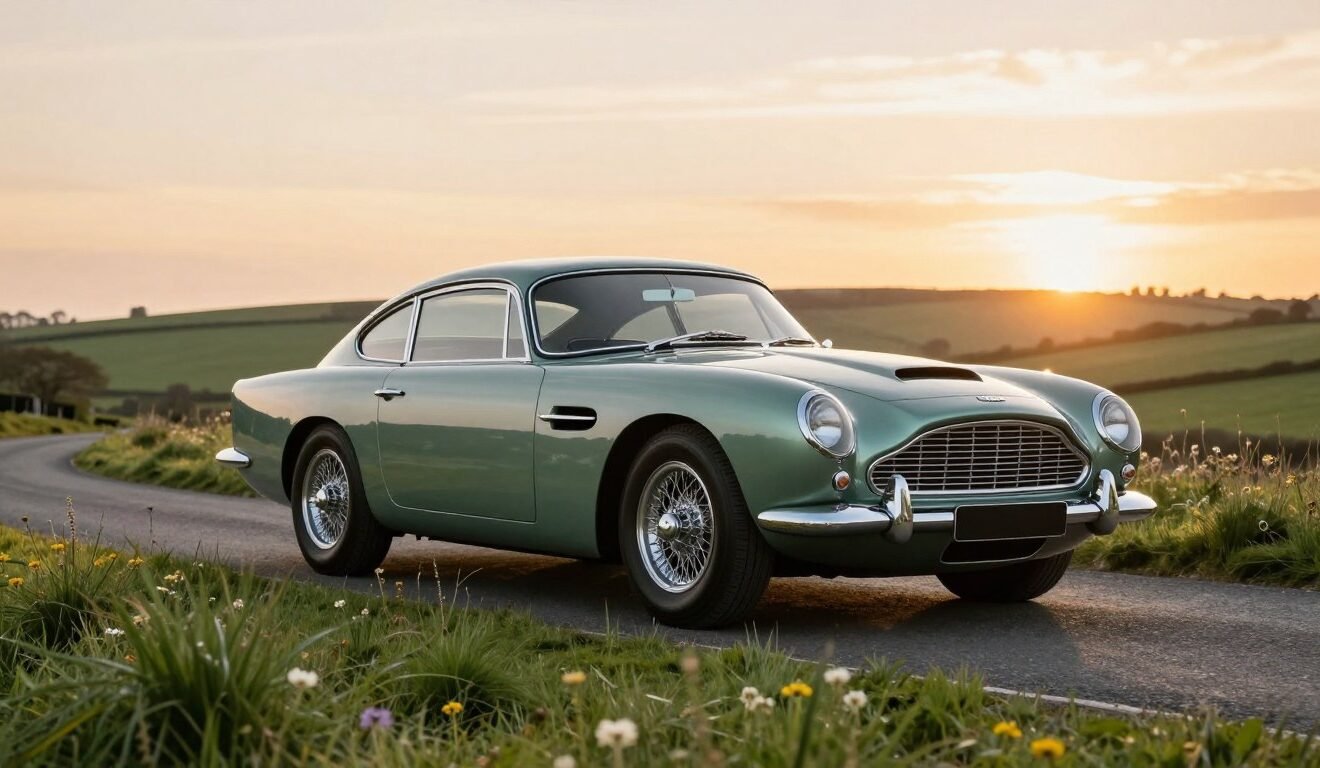
The 1958 Aston Martin DB4 was a big deal in the world of grand touring cars. It mixed Italian style, advanced engineering, and British heritage perfectly.

This car was made to take on the top Italian GTs. It had a sleek, Italian-influenced design and a strong straight-six engine. This engine set a new high for performance and smoothness.
The DB4 was Britain’s answer to the grand touring world. It made Aston Martin a key player in the luxury sports car market. Its design and engineering set the stage for the DB era.
Key Takeaways#
- The 1958 Aston Martin DB4 was a turning point in Aston Martin’s history.
- It featured Italian-influenced styling and a new straight-six engine.
- The DB4 set a new benchmark for British grand tourers.
- Its advanced chassis and powerful engine made it a competitor to Italian GTs.
- The DB4 shaped the DB era with its innovative design and engineering.
The Birth of a Grand Touring Icon#
In the late 1950s, Aston Martin set out to make a grand tourer that could stand up to the competition. This was a time when Jaguar, Ferrari, and Maserati were all racing to create the most sought-after and powerful cars.

David Brown’s Vision for Aston Martin#
David Brown led Aston Martin with a clear goal: to make a car that was both stylish and fast. He wanted a grand tourer that could match the top Italian GTs. Brown aimed to mix Aston Martin design DNA with new tech.
The Need for a Modern Grand Tourer#
The late 1950s saw a rise in demand for fast touring cars. This was thanks to a growing economy and a love for racing. The DB4 was made to answer this need, with its sleek DB4 styling becoming a classic in grand touring.
Historical Context: The Grand Touring Arms Race of the Late 1950s#
In the late 1950s, Jaguar, Ferrari, and Maserati led a race to create the ultimate grand touring cars. They focused on combining speed, luxury, and style. This was a time when people wanted cars that were fast, comfortable, and looked great.
Competition from Jaguar, Ferrari, and Maserati#
Jaguar, Ferrari, and Maserati were at the top of this trend. The Jaguar XK was known for its sleek look and strong performance. The Ferrari 250 was the top choice for those who loved Italian sports cars.

The Market Demand for High-Speed Touring Cars#
More people had money to spend on cars, and they wanted the best. They looked for cars that were fast, had luxury features, and were stylish. Buyers wanted:
- High-performance engines
- Elegant and aerodynamic designs
- Luxurious interiors with advanced amenities
- Advanced braking and suspension systems
This need for high-quality cars made the competition fierce. It led to the creation of some of the most famous grand touring cars ever made.
The 1958 Aston Martin DB4: Specifications and Performance#
The Aston Martin DB4 was introduced in 1958. It brought a new level of performance and style to the grand touring car market. The DB4 featured a 3.7-liter straight-six engine that produced 240 bhp.
Quick Specs Table#
| Specification | Detail |
|---|---|
| Engine | 3.7-liter Straight-Six |
| Horsepower | 240 bhp |
| Top Speed | 140 mph |
| 0-60 mph | 9 seconds |
Engine and Drivetrain#
The DB4’s straight-six engine was designed by Tadek Marek. It was known for its smooth operation and robust power output. The engine was paired with a 4-speed manual transmission, providing a engaging driving experience.
Dimensions and Weight#
The DB4 had a curb weight of around 2,775 lbs. It was 8 ft 6 in long, 5 ft 4 in wide, and 4 ft 7 in high. Its dimensions and weight contributed to its agile handling.
Performance Figures#
With its powerful engine, the DB4 could achieve a top speed of 140 mph. It could also accelerate from 0-60 mph in 9 seconds. This made it a formidable grand tourer of its era.

Italian Influence on British Design#
The DB4’s design was a perfect mix of Italian style and British craftsmanship. This made it a new standard for grand tourers. The Italian design house, Touring of Milan, played a big role in this.
Touring of Milan’s Styling Contribution#
Touring of Milan brought their skill in making elegant and aerodynamic designs. They greatly influenced the DB4’s sleek lines and shape. Their work made the DB4 both beautiful and efficient.

The Blend of Italian Flair and British Character#
The DB4’s design was more than just Italian style. It was a mix of Italian flair and British engineering. This mix made the DB4 not only look good but also strong and reliable.
This Italian influence made the DB4 a top example of grand touring cars. It combined the best of both worlds, creating an exceptional vehicle.
Engineering Excellence: The Superleggera Construction#
Aston Martin used the Superleggera method to make the DB4 strong yet light. This design was key to the car’s performance and how it handled.
The Concept Behind Superleggera#
The Superleggera means “super light” in Italian. It uses a tubular frame with aluminum body panels. This was created by Italian coachbuilder Touring of Milan. It made the car lighter without losing strength.

Advantages of the Tubular Frame with Aluminum Panels#
The tubular frame made the car strong and rigid. The aluminum panels made it light and protected it from rust. This mix made the DB4 fast and agile.
The aluminum also let Aston Martin make the DB4’s body sleek and aerodynamic. This made the car accelerate and brake better.
Manufacturing Challenges and Solutions#
Using Superleggera was hard to do, needing precise work and complex parts. Aston Martin teamed up with Touring of Milan to solve these problems. They made sure the DB4 was top-notch in quality and performance.
| Feature | Benefit |
|---|---|
| Tubular Frame | Exceptional rigidity and strength |
| Aluminum Panels | Reduced weight and enhanced corrosion resistance |
| Superleggera Construction | Optimal balance between strength and weight |
The Heart of the Beast: Tadek Marek’s Straight-Six Engine#
The 1958 Aston Martin DB4 had a revolutionary straight-six engine at its core. This engine was a masterpiece that changed grand touring performance. It was not just a power source; it was the DB4’s heart, giving it the power and smoothness of the time.
Development of the New Powerplant#
Creating Tadek Marek’s straight-six engine was a big challenge. It aimed to make a more powerful and refined engine for the DB4. Marek, a top engineer, worked on it, making an engine that was both strong and beautiful.
The engine had new tech, like a lightweight alloy and a smart valve train. These helped it perform well and efficiently.
Technical Innovations and Performance Characteristics#
Tadek Marek’s straight-six engine was known for its 240 bhp output. It was one of the most powerful engines back then. Its design had key features that boosted its performance and lasted long.
- Lightweight alloy construction to reduce weight and enhance thermal efficiency
- Sophisticated valve train design for improved performance and reliability
- Inline six-cylinder configuration for smooth operation and balanced performance
| Engine Specification | Detail |
|---|---|
| Engine Type | Straight-Six |
| Displacement | 3.7 Liters |
| Power Output | 240 bhp |
The Engine That Powered a Dynasty#
The Tadek Marek straight-six engine not only powered the DB4 but also set the stage for future Aston Martin models. Its influence can be seen in the DB series that followed, where it kept getting better.
The legacy of Tadek Marek’s straight-six engine shows Aston Martin’s commitment to innovation in performance and grand touring. Its impact is celebrated by car lovers and collectors today.
Chassis Dynamics and Road Manners#
The DB4 was a game-changer in grand touring cars in the late 1950s. It had an advanced suspension system and disc brakes. This made it a top choice for smooth rides and great handling.
Suspension Design and Philosophy#
The DB4 used coil springs for its suspension. This helped it offer a comfy ride and good handling. An anti-roll bar was added to make it even more stable when cornering.
Braking Technology: Disc Brakes All Around#
The DB4 was equipped with disc brakes all around. This was a big step forward in stopping power and safety. It was a key feature for a car that was meant to be fast and safe.
High-Speed Stability and Handling Characteristics#
The DB4’s suspension and brakes worked together well. It was stable at high speeds and easy to control. Here’s a quick look at what made the DB4’s chassis so special:
| Feature | Description | Benefit |
|---|---|---|
| Coil Spring Suspension | Independent front suspension with coil springs | Smooth ride and improved handling |
| Anti-Roll Bar | Front anti-roll bar for enhanced stability | Reduced body roll during cornering |
| Disc Brakes | Disc brakes all around for improved stopping power | Enhanced safety and performance |
The DB4’s design was a big deal for grand touring cars. It combined comfort, great handling, and strong brakes. This made it a new standard in the car world.
The Evolution: DB4 Series I Through V#
The 1958 Aston Martin DB4 went through big changes in its five-series evolution. This journey made the DB4 better in performance and design. It also made it a top grand touring car.
Series I: The Original Formula (1958-1959)#
The DB4 Series I was the first one. It had a sleek design and a strong straight-six engine. It mixed Italian style with British engineering, setting the stage for the next series.
Series II-IV: Refinement and Evolution#
Series II to IV brought big improvements. The engine got better, the suspension was tweaked for better handling, and there were small design changes.
Series V: The Bridge to the DB5#
The Series V was a big step up. It had a longer wheelbase for more room inside. This made it ready for the DB5, balancing speed with comfort.
| Series | Production Years | Key Features |
|---|---|---|
| Series I | 1958-1959 | Original design, straight-six engine |
| Series II-IV | 1960-1962 | Engine enhancements, suspension adjustments |
| Series V | 1963 | Longer wheelbase, more interior space |
The DB4’s evolution through its series not only improved its performance and comfort but also contributed to its legendary status in the world of grand touring cars.
Special Variants: GT, SS, and Vantage#
Aston Martin’s DB4 was more than just one car. It came in GT, SS, and Vantage versions. These special cars were made for those who love to drive fast and look good doing it.
The DB4 GT: The Lightweight Performer#
The DB4 GT was lighter and had a stronger engine than the regular DB4. It was a favorite among collectors and drivers. Its lightweight construction and enhanced engine performance set it apart.
The Rare DB4 GT Zagato#
The DB4 GT Zagato was a rare gem. It had a special body designed by Zagato. Only a few were made, making them very valuable. Its unique design and limited production made it exclusive.
Vantage Specification: Enhanced Performance#
The Vantage was a high-performance DB4. It had a stronger engine and better suspension. It was perfect for those who wanted a thrilling drive. The Vantage showed Aston Martin’s dedication to making fast cars.
In summary, the DB4 GT, DB4 GT Zagato, and Vantage were the best of the DB4 range. They combined speed, style, and rarity, making them beloved by Aston Martin fans.
The DB4 Experience: Behind the Wheel#
Driving the DB4, you notice its perfect mix of performance and luxury. It feels great to drive, whether on curvy roads or straight highways. The steering is responsive, and the ride is smooth.
Driving Impressions and Character#
The straight-six engine makes a unique sound. It delivers power smoothly, making driving more enjoyable. The car handles well, staying stable even at high speeds, thanks to its suspension.
Interior Comfort and Grand Touring Amenities#
In the DB4 cabin, luxury is clear thanks to Aston craftsmanship from the 1950s. The interior boasts leather upholstery and walnut trim. This creates a cozy and stylish space for everyone.
The Soundtrack of the Straight-Six#
The straight-six soundtrack is a key feature of the DB4. It enriches the driving experience with its sound. Every trip in the DB4 becomes special because of it.
Collector’s Guide: Owning a 1958 Aston Martin DB4 Today#
For collectors, owning a 1958 Aston Martin DB4 is a dream. But, it comes with challenges. The DB4 is highly sought after, with prices from $100,000 to over $1 million. This depends on the car’s condition, originality, and history.
Common Issues and Rust-Prone Areas#
The DB4 is known for rust issues. The wheel arches, sills, and floor pans are most affected. Regular checks and upkeep are key to avoid major damage.
Originality vs. Restoration Considerations#
When buying a DB4, consider originality versus restoration. Original parts and patina boost value. Yet, sometimes, restoration is needed for the car’s long-term health.
Provenance and Documentation#
The DB4’s history and documentation greatly affect its value. Cars with detailed histories and notable pasts are highly sought after by collectors.
Market Values and Investment#
The DB4’s market value changes based on condition, rarity, and demand. Buyers should understand the investment and upkeep costs of such a classic car.
| Model | Price Range | Condition |
|---|---|---|
| DB4 Series I | $100,000 – $300,000 | Restored |
| DB4 GT | $500,000 – $1 million | Original |
| DB4 Vantage | $200,000 – $500,000 | Restored |
Owning a 1958 Aston Martin DB4 is a privilege. It requires careful thought and dedication. Understanding common issues, the value of originality, and provenance helps collectors make smart choices.
The DB4 Legacy: Foundation of the DB Era#
The 1958 Aston Martin DB4 made a big impact on cars. It became a classic GT benchmark and started the DB era. The DB5 and DB6 followed, making some of the most iconic British cars.
The DB4 mixed Italian style, advanced chassis, and a strong straight-six engine. This made it a top grand touring car. It helped make Aston Martin known for luxury sports cars. Car lovers worldwide celebrate the DB4 for its design, performance, and history.
Now, the DB4 is a prized collector’s item. Its value goes beyond money, showing its place in car history. Its lasting appeal proves the DB4’s status as a true classic, influencing luxury sports cars today.
FAQ#
What is the significance of the 1958 Aston Martin DB4?#
The 1958 Aston Martin DB4 was a big deal for Aston Martin. It started the DB era with its mix of Italian style, advanced chassis, and strong straight-six engine.
Who designed the DB4?#
The DB4 was created by Touring of Milan. It combines Italian flair with British character.
What is the Superleggera construction method?#
The Superleggera method uses a tubular frame with aluminum panels. It makes the chassis strong and light.
What are the key features of the Tadek Marek straight-six engine?#
The Tadek Marek engine is made of lightweight alloy. It has a sophisticated valve train and produces 240 bhp. This made it very powerful for its time.
How many series of the DB4 were produced?#
The DB4 went through five series. Each series got better with the engine, suspension, and bodywork.
What is the DB4 GT, and how does it differ from the standard DB4?#
The DB4 GT is a lightweight version. It has weight-saving features and a more powerful engine.
What are the common issues to look out for when owning a DB4?#
Look out for rust in certain areas. Also, regular servicing is key to keeping the car in good shape.
How important is originality and provenance when owning a DB4?#
Originality and provenance are very important. Documents and history greatly affect the car’s value.
What is the legacy of the DB4?#
The DB4’s legacy is huge. It set the stage for the DB era and influenced later DB models.
What makes the DB4 a desirable collector’s item?#
The DB4 is rare and historically significant. It’s also a highly sought-after DB variant, making it a top collector’s item.