



European Sports Cars of the 1950s: Elegance, Speed, and the Birth of Driving Passion
European Sports Cars of the 1950s: Elegance, Speed, and the Birth of Driving Passion
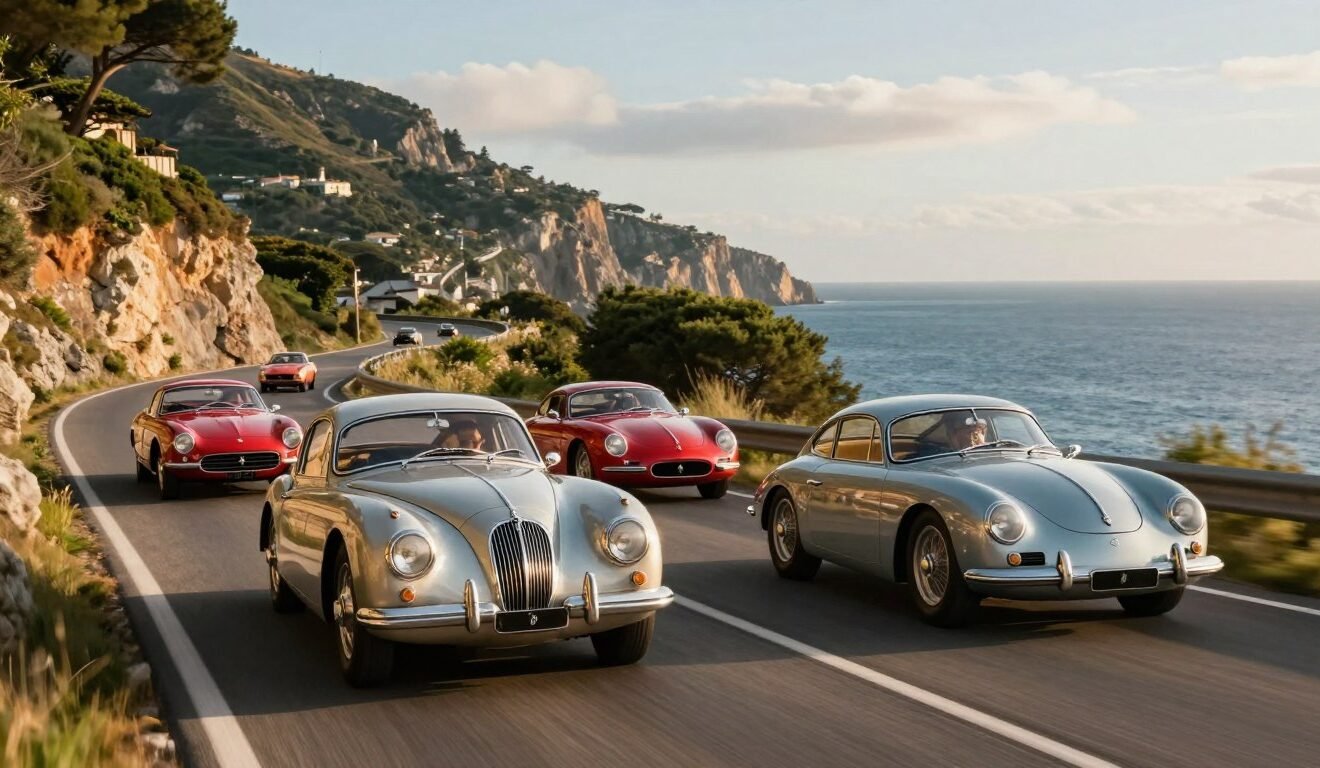
In the 1950s, Europe changed the game with high-performance vehicles. These cars were all about balance, elegance, and the fun of driving. They were born from the need to move forward after the war and a love for racing.

After World War II, cars in Europe became symbols of elegance, speed, and passion for driving. These classic European sports cars were known for being light and fun to drive. They were shaped by racing and the art of design.
Key Takeaways
- The 1950s were a key time for European sports cars, driven by post-war recovery and racing ambitions.
- These cars focused on balance, elegance, and the joy of driving.
- They were light and stylish, thanks to their design and engineering.
- Racing had a big impact on their design and performance.
- European sports cars of the 1950s are loved today for their timeless beauty and driving spirit.
The Post-War Renaissance of European Automotive Industry
The post-war era saw a big change for European car makers. They were driven by new ideas and the will to keep going. After World War II, Europe was rebuilding, and cars were a big part of that.
Economic Recovery and Industrial Rebirth
Europe’s economy was key to its car industry’s comeback. Governments and car makers worked together. They faced challenges like not having enough materials and fixing damaged places.
From Ruins to Racing: Material Shortages and Innovations
Car makers had to get creative with what they had. They started using new materials like aluminum. This led to new tech and ways of making cars.
Government Support for Automotive Exports
Help from governments was vital. They pushed for more car exports. This helped the economy grow and the car industry to thrive.
Transition from Military to Civilian Production
Switching from making military vehicles to cars was a big change. Car makers had to change how they made things and what they made. They used old war tech and new ways to make cars.
Repurposing Wartime Technology
Old war tech, like better engine designs, was used for cars. This made engines more efficient and powerful.
New Manufacturing Techniques
New ways to make cars, like better assembly lines and stronger materials, improved quality and speed. This made cars better and faster to make.
| Year | Major Automotive Innovations | Impact on Industry |
|---|---|---|
| 1947 | Introduction of aluminum engine blocks | Reduced weight, improved fuel efficiency |
| 1950 | Adoption of disc brakes | Enhanced safety, improved stopping power |
| 1953 | Development of fuel injection systems | Increased engine performance, better fuel management |

As Europe got back on its feet, car makers started making sports cars. These cars were fast, elegant, and loved by drivers. This was the start of a new era for European sports cars.
European Sports Cars of the 1950s: A New Philosophy of Performance
The 1950s were a big change for European sports cars. They moved towards a new way of thinking about performance. This new way focused on balance, handling, and being light.
After World War II, car makers wanted to create cars that were not just fast. They wanted them to be agile and fun to drive too.
Balance Over Brute Force
Cars like the Jaguar XK120 and the Aston Martin DB2 showed a new way to think about performance. They put balance and handling first, not just how fast they could go.
This new way was seen in their design. They aimed for a perfect mix of power and control.
Handling Precision vs. Horsepower
These cars focused on how well they handled. They had new suspension and chassis designs. For example, the Jaguar XK120 had a strong suspension for great stability and handling.
Driver Engagement as Design Priority
Car makers also thought about making driving more fun. They made the steering and brakes more precise. This made driving feel more immersive.
The Lightweight Revolution
The 1950s saw big changes in materials and how cars were made. This led to lighter and more efficient sports cars. Aluminum and magnesium alloys were used more, making cars lighter without losing strength.
Materials Innovation: Aluminum and Magnesium Alloys
Using lighter materials was key to these cars’ performance. For example, the Aston Martin DB2 used aluminum alloy in its body. This helped keep the car light.
Space Frame and Monocoque Construction
New chassis designs, like space frame and monocoque, also helped make cars lighter. These designs were strong but also cut down on weight.
| Model | Weight Reduction | Performance Gain |
|---|---|---|
| Jaguar XK120 | 200 kg | Improved acceleration |
| Aston Martin DB2 | 150 kg | Enhanced handling |

“The sports cars of the 1950s were not just about speed; they were about creating a driving experience that was engaging and exhilarating.”
The 1950s laid the foundation for future sports cars. They showed how important balance, handling, and being light are.
The Italian Masters: Art in Motion
After World War II, Ferrari, Maserati, and Alfa Romeo changed the sports car world. They focused on design, performance, and racing history. This led to some of the most famous sports cars of the 1950s.
Ferrari’s Racing Heritage Translated to Road Cars
Ferrari’s success in racing was seen in its road cars, like the 166 MM and the 250 GT Series. These cars brought the excitement of racing to the road.
The 166 MM and 250 GT Series
The 166 MM showed Ferrari’s engineering skills with its sleek design and strong performance. The 250 GT Series added to Ferrari’s fame, mixing style, comfort, and speed.
Enzo Ferrari’s Racing-First Philosophy
Enzo Ferrari’s focus on racing shaped his road cars. He made sure they were fast, durable, and responsive.
Maserati’s Elegant Grand Tourers
Maserati introduced elegant grand tourers like the A6G and 3500 GT. These cars combined luxury and performance, appealing to many.
The A6G and 3500 GT
The A6G and 3500 GT were known for their elegant design and strong performance. They showed Maserati’s skill in making sophisticated and powerful cars.
Balancing Luxury and Performance
Maserati aimed to balance luxury and performance. Their cars were comfortable for long trips and exciting on winding roads.
Alfa Romeo’s Sporting Legacy
Alfa Romeo’s legacy was seen in cars like the 1900 and Giulietta. These models made sports cars more accessible to everyone.
The 1900 and Giulietta Models
The 1900 and Giulietta were praised for their performance, style, and value. They helped make Alfa Romeo popular among sports car fans.
Democratizing Performance
Alfa Romeo made high-performance cars more affordable. This helped spread the joy of sports car ownership to more people.
| Manufacturer | Model | Notable Features |
|---|---|---|
| Ferrari | 166 MM | Sleek design, robust performance |
| Maserati | A6G | Refined design, luxury, and performance |
| Alfa Romeo | Giulietta | Performance, style, affordability |
British Roadsters: The Spirit of Open-Top Motoring
After World War II, British car makers like Jaguar, Triumph, and MG changed the sports car world. Their roadsters stood for freedom and adventure, winning the hearts of car lovers everywhere.
Jaguar’s Leap to Prominence
Jaguar entered the sports car scene with the XK120. This car showed Jaguar’s skill in engineering and design. It was fast and stylish, becoming a classic right away.
The Revolutionary XK120
The XK120 was a game-changer. It had a strong inline-six engine and a sleek design. Its speed and handling set new standards for British sports cars.
The Legendary D-Type and Road-Going Descendants
Jaguar’s racing success was highlighted by the D-Type. This car won Le Mans in the 1950s. Its success on the track influenced the development of road cars, keeping Jaguar at the top in performance and style.
Triumph and MG: Accessible Sports Car Thrills
Triumph and MG made sports car fun affordable with their roadsters. Models like the MG TD/TF and Triumph TR Series became known for their fun and style.
MG TD/TF and Triumph TR Series
The MG TD/TF and Triumph TR Series were easy to use. They combined performance, handling, and style, appealing to many drivers. These cars helped make sports cars popular.
Creating the Affordable Sports Car Market
Triumph and MG focused on making sports cars affordable and fun. Their models helped make owning a sports car possible for many enthusiasts.
Aston Martin: Gentleman’s Express
Aston Martin, led by David Brown, became a symbol of British luxury and performance. The DB2 and DB2/4 models showed Aston Martin’s dedication to making grand tourers that were fast and stylish.
The DB2 and DB2/4
The DB2 and DB2/4 were known for their design, powerful engines, and comfortable interiors. They were perfect for long trips, making Aston Martin famous for high-quality grand tourers.
David Brown’s Vision for British Excellence
Under David Brown, Aston Martin aimed for top performance, luxury, and style. His vision made the brand known for fine grand tourers, appealing to those seeking a refined driving experience.
| Model | Manufacturer | Year | Notable Features |
|---|---|---|---|
| XK120 | Jaguar | 1948 | Powerful inline-six engine, sleek design |
| D-Type | Jaguar | 1954 | Racing success, aerodynamic body |
| MG TD/TF | MG | 1950 | Affordable, user-friendly, sporty |
| Triumph TR Series | Triumph | 1953 | Performance, handling, stylish |
| DB2/4 | Aston Martin | 1953 | Luxury, powerful, grand touring capability |
German Engineering Precision
In the 1950s, German sports cars like Mercedes-Benz and Porsche set the standard. They introduced big changes that made cars better and changed the game.
Mercedes-Benz 300SL: The Gullwing Revolution
The Mercedes-Benz 300SL was a game-changer in the 1950s. It started a new chapter in sports car design.
Racing Origins and Technical Innovations
The 300SL came from Mercedes-Benz’s racing roots. It had fuel injection and a light tubular frame. These features made it fast and agile.
The First Modern Supercar
The 300SL is seen as one of the first supercars. Its design and tech were ahead of its time. Its gullwing doors made it instantly iconic.
Porsche’s Rear-Engine Innovation
Porsche’s 356 showed off its engineering skills with a rear-engine design. This made it handle better and had better traction.
The 356: Volkswagen DNA Transformed
The Porsche 356 used parts from the Volkswagen Beetle. It showed how Porsche could make old tech into something new and fast.
Engineering Against Convention
Porsche’s choice to put the engine at the back was daring. It was different from what others did. But it made the 356 unique and set Porsche apart.
French Flair and Innovation
After World War II, French car makers like Citroën, Alpine, and Gordini led in sports car design and racing. Their designs and tech achievements showed the beauty of European car engineering. They also greatly influenced the sports car world globally.
Citroën’s Avant-Garde Approach
Citroën was known for its bold designs. They made cars that looked great and worked well. The DS was a top model, known for its sleek design and advanced tech.
The Revolutionary DS and Its Sporting Variants
The DS, launched in 1955, was a true marvel of French car engineering. It had a futuristic look and a new kind of suspension. Its sporty versions made it even more popular among car lovers.
Hydraulic Systems and Aerodynamic Design
The DS used hydraulic systems for self-leveling suspension and power brakes. This showed French innovation in car tech. Its design also set a new standard for reducing drag and improving speed.
Alpine and Gordini: Racing Specialists
Alpine and Gordini were famous for their racing wins and high-performance sports cars. They worked with Renault to make competitive models.
Alpine A106 and Renault-Gordini Collaboration
The Alpine A106 was a top French sports car in international racing. It showed Alpine’s skill in engineering. Renault and Gordini’s work together made Renault models even better for racing.
French Racing Success on a Budget
French car makers achieved big racing wins, even with small budgets. Their creative engineering and competitive spirit helped. Their success on the track boosted French sports cars’ global reputation.
| Manufacturer | Model | Notable Feature |
|---|---|---|
| Citroën | DS | Hydraulic Suspension |
| Alpine | A106 | Racing Success |
| Gordini | Renault-Gordini | High-Performance Variants |
Engineering Innovations That Defined an Era
The 1950s were a big time for European sports cars. They saw big changes in engine design, chassis, and aerodynamics. These changes made cars better for racing and driving on the road.
Small-Displacement Engine Excellence
European sports cars of the 1950s were amazing for their small engines. They packed a lot of power without being too big.
Twin-Cam Technology and High-Revving Design
Twin-cam technology let engines rev higher, making them more powerful. Ferrari and Alfa Romeo were leaders in this area. Their engines could breathe better and make more power.
Carburetion and Fuel Injection Advancements
Carburetors and fuel injection systems got better, making engines more efficient. Fuel injection was a big step, giving engines better control over fuel. This made them more responsive.
Chassis and Suspension Breakthroughs
Chassis and suspension systems got a lot better. This made cars handle and stay stable better.
Independent Suspension Systems
Independent suspension systems became common. They made the ride smoother and handling better. Each wheel could move on its own, making the car more dynamic.
Disc Brake Implementation
Disc brakes were a big improvement in braking. They dissipated heat better and gave more consistent braking. This was key for fast driving.
| Innovation | Benefit | Notable Manufacturers |
|---|---|---|
| Twin-Cam Technology | Higher revving capabilities, improved power output | Ferrari, Alfa Romeo |
| Independent Suspension | Improved ride quality and handling | Jaguar, Mercedes-Benz |
| Disc Brakes | Enhanced braking performance | Aston Martin, Porsche |
Aerodynamic Advancements
Aerodynamics were key for European sports cars. Wind tunnel testing became more common.
Wind Tunnel Testing and Streamlining
Wind tunnels helped make cars more aerodynamic. Wind tunnel testing helped shape cars for less drag and higher speeds.
From Racing to Road Car Applications
Racing tech was often used in road cars. This made them faster and more efficient. It helped both racing and everyday cars.
The 1950s set the stage for today’s sports cars. The focus on performance, handling, and aerodynamics is seen in cars today.
Coachbuilders and the Art of Bespoke Automobiles
In the 1950s, the art of coachbuilding reached new heights. Italian design houses led the way in creating exquisite bespoke automobiles. Coachbuilders played a key role in shaping the design and elegance of European sports cars.
Pininfarina, Bertone, and Italian Design Houses
Italian design houses like Pininfarina and Bertone were at the forefront. They brought their unique styling elements to the forefront.
Signature Styling Elements
These coachbuilders introduced signature styling elements that became iconic. Their designs were characterized by elegance, aerodynamics, and a deep understanding of the brand’s identity.
Collaboration Between Engineers and Artisans
The collaboration between engineers and artisans was key. It ensured that the designs were not only beautiful but also functional and safe.
The Last Golden Age of Custom Bodywork
The 1950s is often seen as the last golden age of custom bodywork. Coachbuilders used traditional techniques to craft bespoke automobiles.
Hand-Formed Aluminum and Steel Techniques
Skilled craftsmen used hand-formed aluminum and steel techniques to shape the bodies. They created unique pieces of art.
The Transition to Mass Production
As the decade progressed, the industry began its transition to mass production. This marked the beginning of the end for bespoke coachbuilding.
The legacy of these coachbuilders continues to influence European car craftsmanship and classic European motoring today. Their work on coachbuilt sports cars remains unparalleled. It shows the art and skill involved in creating these automotive masterpieces.
Cultural Impact and Driving Experience
In the 1950s, European sports cars were more than just cars. They were symbols of a generation’s spirit. These vehicles showed off the latest tech and design, and they changed popular culture and driving.
The European Sports Car in Popular Culture
European sports cars of the 1950s were stars in Hollywood movies. They stood for sophistication and adventure. They were linked to wealthy characters, showing they were luxury items.
Hollywood’s Love Affair with European Sports Cars
Movies like “Rebel Without a Cause” and “Italian Job” made these cars famous. They showed these cars as something to aspire to.
Status Symbols and Lifestyle Statements
Having a European sports car was a sign of success and style. These cars were more than just cars. They showed who you were and your status.
The Sensory Experience of 1950s Motoring
Driving a 1950s European sports car was special. It was a mix of sounds, smells, and feels. The engine’s roar, the leather’s scent, and the steering’s feel made it unique.
Sound, Smell, and Tactile Feedback
The engine’s sound, the leather’s smell, and the road’s feel made driving special. It was an experience that grabbed your senses.
The Man-Machine Connection
These cars made drivers feel close to the car. They felt connected to the car’s performance and how it handled.
| Aspect | Description | Impact |
|---|---|---|
| Sound | Roar of the engine | Enhanced driving excitement |
| Smell | Leather and petrol scents | Immersive experience |
| Tactile Feedback | Steering wheel and road feel | Deepened driver-machine connection |
Conclusion: The Enduring Legacy of 1950s European Sports Cars
The 1950s European sports cars have made a lasting impact on cars. They mix beauty, speed, and love for driving perfectly. These cars, known for their sleek looks and strong performance, are celebrated for their role in car history.
The history of European cars is filled with the innovations of these vehicles. Cars like Ferrari, Mercedes-Benz, and Porsche have raised the bar for car makers. Their designs and engineering have shaped the cars we see today.
These cars’ legacy goes beyond their history. They continue to influence car culture today. They inspire both car lovers and makers, keeping the spirit of 1950s European sports cars alive.