


1966 AAR Eagle MK2: Dan Gurney’s IndyCar Masterpiece and an American Racing Icon
1966 AAR Eagle MK2: Dan Gurney’s IndyCar Masterpiece and an American Racing Icon Dan Gurney, a famous name in American racing, started All American Racers...
- 1966 AAR Eagle MK2: Dan Gurney’s IndyCar Masterpiece and an American Racing Icon
- The Birth of All American Racers
- The AAR Eagle MK2: Engineering an American Icon
- Technical Innovations of the Eagle MK2
- The Eagle MK2 at Indianapolis 500
- Racing Success Beyond Indianapolis
- The Drivers Behind the Wheel
- Evolution and Influence on Future Eagle Designs
- Legacy of the 1966 Eagle MK2 in American Motorsport
- FAQ
- What was the significance of the 1966 AAR Eagle MK2 in IndyCar history?
- Who was Dan Gurney, and what was his role in creating the Eagle MK2?
- What were the key engineering features of the Eagle MK2?
- How did the Eagle MK2 perform at the 1966 Indianapolis 500?
- What were the achievements of the Eagle MK2 in the USAC IndyCar season?
- Who were the notable drivers of the Eagle MK2?
- How did the Eagle MK2 influence subsequent Eagle models?
- What is the legacy of the 1966 Eagle MK2 in American motorsport?
1966 AAR Eagle MK2: Dan Gurney’s IndyCar Masterpiece and an American Racing Icon#
Dan Gurney, a famous name in American racing, started All American Racers (AAR). He wanted to make a top-notch IndyCar. The 1966 Eagle MK2 was his creation, blending new design with racing skill.

Gurney’s work showed his engineering skills and became a symbol of pride at Indianapolis. The Eagle IndyCar was a big step in American open-wheel racing. It showed the country’s technical skill and competitive spirit.
Key Takeaways#
- The 1966 AAR Eagle MK2 was Dan Gurney’s vision for a competitive American IndyCar.
- It symbolized national pride and technical excellence in American motorsports.
- The car’s innovative design contributed to its racing achievements.
- Dan Gurney’s establishment of All American Racers marked a significant moment in IndyCar history.
- The Eagle MK2 remains an iconic figure in the history of American open-wheel racing.
The Birth of All American Racers#
Dan Gurney wanted to make American racing strong. He started All American Racers in the 1960s. His goal was to beat European teams in racing.
Dan Gurney’s Vision for American Racing#
Dan Gurney loved American racing. He wanted a team that could win big races. He knew a strong team needed great technology.
Racing Experience and Inspiration#
Gurney raced in Formula One and IndyCar. His experiences showed him American cars could beat the best. He saw the talent in American drivers and cars.
Goal to Challenge European Dominance#
All American Racers aimed to beat European teams. Gurney wanted a car that showed American innovation. He wanted a car that could win big.

“The key to success in racing is not just about the driver, but also about having a car that can compete at the highest level.”
This idea led to the AAR Eagle. It became a legend in American racing.
The AAR Eagle MK2: Engineering an American Icon#
The AAR Eagle MK2 is a symbol of American motorsports innovation. It was created through a detailed design and development process. This process combined European techniques with American creativity.
Design Philosophy and Development Process#
The Eagle MK2 aimed for speed, agility, and reliability. A team of experts worked together to make Dan Gurney’s dream a reality.
Bridging European Technique with American Spirit#
The car’s design mixed European racing tech with American boldness. Its aluminum monocoque chassis shows this blend. This feature improved its performance and durability.

Creating the Eagle MK2 was tough. The team overcame many technical challenges. Their hard work led to a car that left a lasting impact on IndyCar history.
The Eagle MK2’s engineering and design raised the bar for IndyCar chassis. It inspired future racing cars.
Technical Innovations of the Eagle MK2#
The Eagle MK2 was a game-changer in American motorsports. Its success came from major advancements in its design. These included its chassis and bodywork.
Advanced Aluminum Monocoque Chassis#
The Eagle MK2 had a cutting-edge aluminum monocoque chassis. This design made it safer and stronger.
Construction Methods and Materials#
The chassis was made from strong aluminum alloys. These materials were chosen for their strength and lightness. This made the car more rigid and lighter, giving it an edge in racing.
Weight Distribution and Rigidity#
The monocoque design helped the car’s weight balance. This improved its handling and stability at high speeds. The chassis’s rigidity also made the car more responsive and better performing on the track.

Aerodynamic Bodywork Revolution#
The Eagle MK2’s bodywork was a standout feature. It was designed with precision and tested in wind tunnels.
Wind Tunnel Development#
Wind tunnel tests helped perfect the car’s aerodynamics. This reduced drag and increased downforce. These improvements made the car more stable at high speeds and better in corners.
Distinctive Visual Identity#
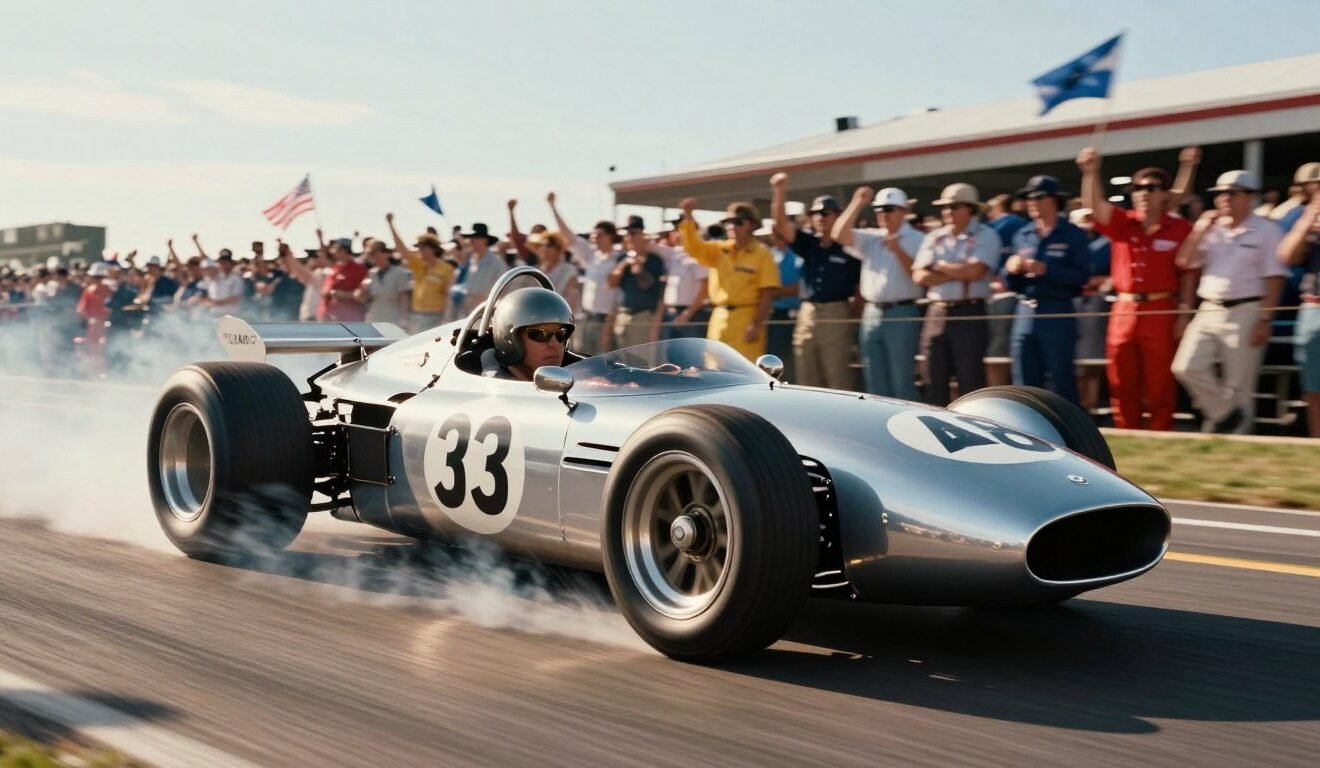
The car’s polished aluminum body made it unique. Its sleek design was not only fast but also eye-catching on the track.
The Eagle MK2’s innovations made it a top contender in the 1960s IndyCar racing. It showed Dan Gurney’s dream of a car that was both fast and beautiful.
The Eagle MK2 at Indianapolis 500#
The 1966 Indianapolis 500 was a big moment for the AAR Eagle MK2. It made its debut on this famous track.
1966 Indianapolis 500 Debut#
Everyone was excited for the Eagle MK2’s first Indy 500. They expected great things from Dan Gurney’s new car.
Qualifying Performance#
The Eagle MK2 showed its speed and agility in qualifying. Dan Gurney hit over 160 mph. This set the team up for a strong race.
Race Day Strategy#
The team used aggressive driving and careful pit stops on race day. They worked hard to keep the car in top shape. They made adjustments to get the best performance.
Notable Performances and Results#
Despite challenges, the Eagle MK2 showed great resilience and competitiveness at the 1966 Indy 500. Its performance highlighted the innovative design and engineering.

Racing Success Beyond Indianapolis#
The Eagle MK2 shone brightly at Indianapolis and continued to impress in the USAC IndyCar season. It showed its speed and versatility. The car’s success was a result of its design and engineering.
USAC IndyCar Season Achievements#
The Eagle MK2 had many highlights in the USAC IndyCar season. Major race results included:
- Wins at multiple prestigious tracks
- Consistent podium finishes
- Fastest lap records at several events
Major Race Results#
The Eagle MK2 won big at races like the Hoosier Grand Prix and the Langhorne 100. These victories proved the car’s worth and skill.
Championship Standings#
Dan Gurney drove the Eagle MK2 to a strong finish in the championship. The car’s performance helped All American Racers stay competitive.
Competition Against European Manufacturers#
The Eagle MK2’s success was impressive, given the tough competition from European makers. It often beat its rivals, showing its engineering and the drivers’ talent.
The Drivers Behind the Wheel#
Drivers like Dan Gurney and Lloyd Ruby made the Eagle MK2 a legend in IndyCar racing. Their skills were key to the car’s success, alongside its innovative design.
Dan Gurney as Driver-Constructor#
Dan Gurney was both the driver and builder of the Eagle MK2. This role had its ups and downs. He had to balance driving with engineering, but he also controlled the car’s development.
Dual Role Challenges and Advantages#
Gurney’s unique role allowed for quick improvements in the car. But, it also took a toll on his time and energy.
Personal Racing Results with the MK2#
Gurney’s success with the Eagle MK2 showed his driving prowess. His achievements highlighted the car’s design and his talent.
Lloyd Ruby and the Eagle MK2#
Lloyd Ruby was another top driver for the Eagle MK2. His skills and the car’s design made for unforgettable racing moments.
- Lloyd Ruby’s driving skills complemented the Eagle MK2’s design.
- The partnership between Ruby and the Eagle MK2 resulted in memorable performances.
Evolution and Influence on Future Eagle Designs#
The Eagle MK2’s design and engineering set a new standard for IndyCar racing. Its impact was not limited to its own racing career; it significantly influenced the development of subsequent Eagle models.
Design Language for Subsequent Models#
The MK2’s sleek, aerodynamic bodywork and advanced chassis design established a design language that would be refined in later models. Key design elements included:
- Aerodynamic enhancements for improved speed
- Advanced materials for reduced weight and increased strength
- Innovative suspension systems for better handling
The MK3 and Beyond#
The Eagle MK3, which followed the MK2, built upon its predecessor’s successes. It incorporated refinements in aerodynamics and further advancements in chassis technology.
Visual and Technical Continuity#
Despite advancements, the core design philosophy remained consistent, ensuring a visual and technical continuity across the Eagle MK series.
Engineering Advancements in Later Eagles#
Later Eagle models continued to push the boundaries of engineering, incorporating advancements in materials and technology. The legacy of the MK2 can be seen in the continued success of the Eagle series.
The influence of the Eagle MK2 on future designs was profound, setting a new benchmark for IndyCar racing and leaving a lasting legacy in the world of motorsports.
Legacy of the 1966 Eagle MK2 in American Motorsport#
The 1966 AAR Eagle MK2 has made a lasting impact on American motorsport. Its legacy inspires fans and shapes the sport’s history. This pioneering IndyCar’s design and engineering set the stage for future racing cars.
The Eagle MK2’s success on the track boosted American racing. It became a classic IndyCar, loved and iconic in Vintage Motorsport Culture.
Today, the 1966 Eagle MK2 is a key part of American Motorsport history. Its influence is seen in today’s IndyCar designs. Dan Gurney and All American Racers’ innovative spirit is celebrated worldwide.