




1912 Abbot-Detroit Model 44: A Short-Lived Luxury Car from Detroit’s Brass Era
1912 Abbot-Detroit Model 44: A Short-Lived Luxury Car from Detroit’s Brass Era In the early 1900s, Detroit was buzzing with car makers pushing the limits...
- 1912 Abbot-Detroit Model 44: A Short-Lived Luxury Car from Detroit’s Brass Era
- Detroit's Brass Era and the Birth of Abbot-Detroit
- The Abbot-Detroit Model 44: Features and Market Position
- Conclusion: The Legacy of a Forgotten American Luxury Car
- FAQ
- What was the Abbot-Detroit Model 44?
- What is the brass era in the context of American automotive history?
- What were some of the key features of the Abbot-Detroit Model 44?
- Why did Abbot-Detroit cease production?
- What is the historical significance of the Abbot-Detroit Model 44?
- How did the Abbot-Detroit Model 44 compare to other luxury cars of its time?
- Are there any surviving Abbot-Detroit Model 44 cars?
1912 Abbot-Detroit Model 44: A Short-Lived Luxury Car from Detroit’s Brass Era#
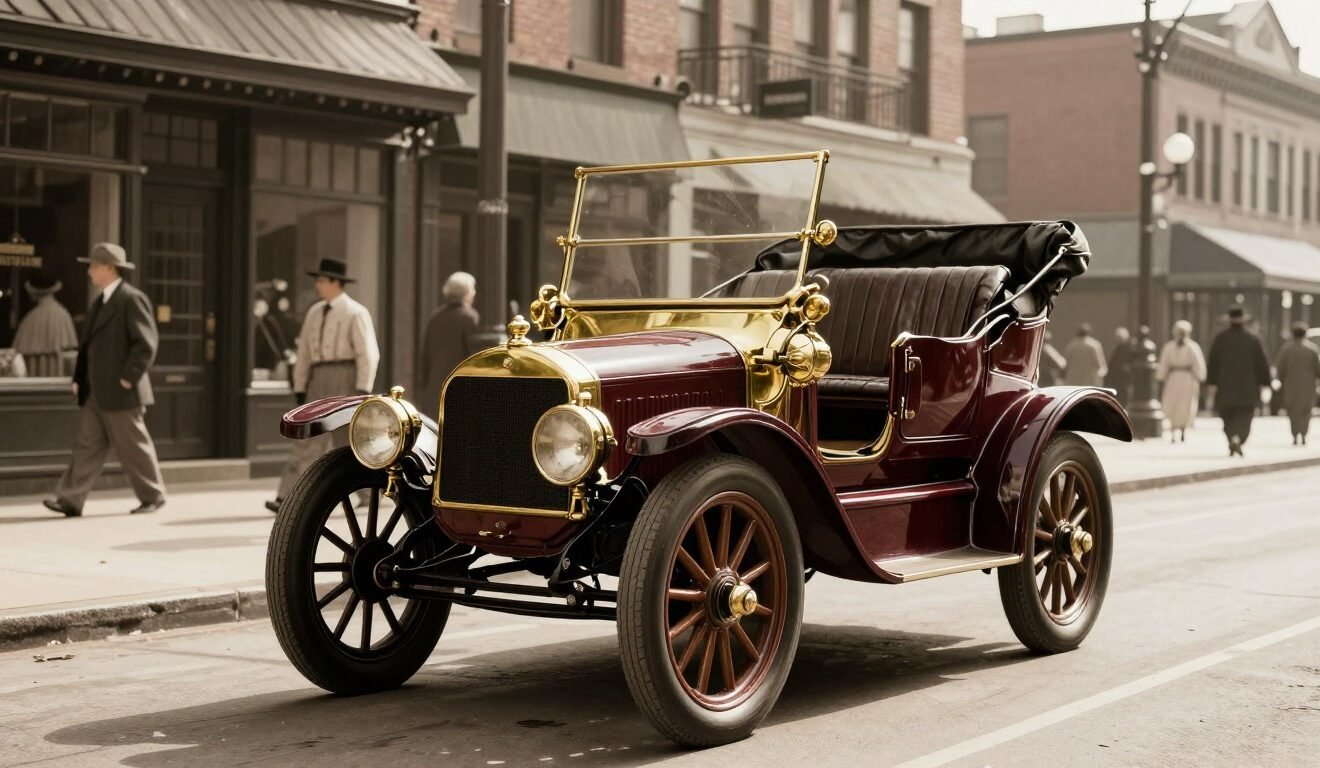
In the early 1900s, Detroit was buzzing with car makers pushing the limits of design, luxury, and tech. The 1912 Abbot-Detroit was a prime example, a touring car from the brass era that showed the era’s innovation and rivalry.

The Abbot-Detroit Model 44 was a luxury car made during a time of fast growth in cars. It’s now in museums like the Henry Ford, showing how cars evolved in America.
Detroit’s car history was all about competition and new ideas, with the Abbot-Detroit being a standout.
Key Takeaways#
- The 1912 Abbot-Detroit Model 44 was a luxury touring car from Detroit’s brass era.
- It represented the innovative and competitive spirit of early American automobile manufacturers.
- The car’s production was part of Detroit’s significant contribution to the automotive industry’s early development.
- Such vehicles are now rare reminders of the industry’s formative years.
- Collections like the Henry Ford museum preserve the history of early automobiles.
Detroit’s Brass Era and the Birth of Abbot-Detroit#
Detroit’s Brass Era saw a big jump in car making. Pioneers like Abbot-Detroit led in luxury and new ideas. This time, from the late 1800s to the early 1900s, Detroit became a key car center.
The Emergence of Detroit as America’s Automotive Center#
Detroit’s location and resources made it perfect for cars. It had easy access to materials, good transport, and skilled workers. This drew many to Detroit, making it a hub of car innovation.
Key factors contributing to Detroit’s success included:
- A skilled workforce with experience in manufacturing and engineering
- Access to raw materials such as steel and rubber
- A well-developed transportation network, including railroads and waterways
- A business-friendly environment that encouraged innovation and entrepreneurship
Abbot-Detroit Company: Foundation and Vision#
The Abbot-Detroit Company started during this exciting time. It aimed to make top-notch, luxury cars for the rich. The Model 44 was a mid-to-upper-class car that showed the company’s dedication to quality and new ideas.
The Abbot-Detroit Model 44 was notable for its:
- Powerful engine, which provided a smooth and responsive driving experience
- Elegant design, which reflected the luxury and sophistication of the Brass Era
- Advanced technical features, which set it apart from other vehicles in its class

Abbot-Detroit focused on quality, innovation, and luxury. This made it a respected name in the early car industry. As cars evolved, Abbot-Detroit kept making vehicles that captured the Brass Era’s spirit.
The Abbot-Detroit Model 44: Features and Market Position#
The Abbot-Detroit Model 44 was a symbol of luxury touring cars 1910s. It had fancy features and strong performance. It was one of the early gasoline cars that became popular. It marked a big step in car technology.

Technical Specifications and Design Elements#
The Abbot-Detroit Model 44 had a front-engine, rear-wheel-drive layout. This design was common for many historic US vehicles back then. It helped the car stay stable and perform well.
Engine and Drivetrain Configuration#
The Model 44 had a strong engine, but details are hard to find. The engine was made for a smooth and powerful ride. This fit the standards of antique automobile history.
Bodywork and Luxury Appointments#
The body of the Abbot-Detroit Model 44 was designed for open touring. It was known for its elegance and comfort. The car’s luxury was shown in its high-quality materials and craftsmanship. It was a top vehicle in early motoring America.
| Feature | Description | Significance |
|---|---|---|
| Engine Layout | Front-engine, rear-wheel-drive | Typical for early 20th-century luxury cars |
| Body Style | Open touring | Emphasized comfort and elegance |
| Luxury Features | High-quality materials and craftsmanship | Reflected the car’s premium status |
Competition and Market Challenges#
The Abbot-Detroit Model 44 faced tough competition from other car makers. Its price point was key in the market. It aimed at wealthy customers who wanted something special and powerful.
Price Point and Target Customers#
The Model 44 was priced well in the luxury car market. It attracted customers who wanted a high-end vehicle. But, the company’s limited funds made it hard to stay in the market long.
Rival Manufacturers and Models#
The Model 44 was up against other luxury car brands. The competition was intense, with many luxury touring cars 1910s fighting for customers.
Conclusion: The Legacy of a Forgotten American Luxury Car#
The 1912 Abbot-Detroit Model 44 is a key part of early American car history. It shows the creativity and competition of the time. Abbot-Detroit’s story highlights the innovative spirit of the industry’s early years.
Many car makers, like Abbot-Detroit, stopped making cars long ago. Yet, their legacy is important to keep alive. Learning about early cars helps us understand how the industry grew.
Keeping cars like the Abbot-Detroit Model 44 alive is more than just preserving history. It’s a way to honor the founders of the American car industry. By studying these brands, we learn about the industry’s early struggles and successes.
The story of Abbot-Detroit reminds us of the value of preserving classic cars. It keeps the history of American car innovation alive for future generations.