




1951 Almquist H-Mod: A Postwar American Hot Rod Built for the Dirt Tracks
1951 Almquist H-Mod: A Postwar American Hot Rod Built for the Dirt Tracks After World War II, American grassroots motorsport saw a big jump. Fans...
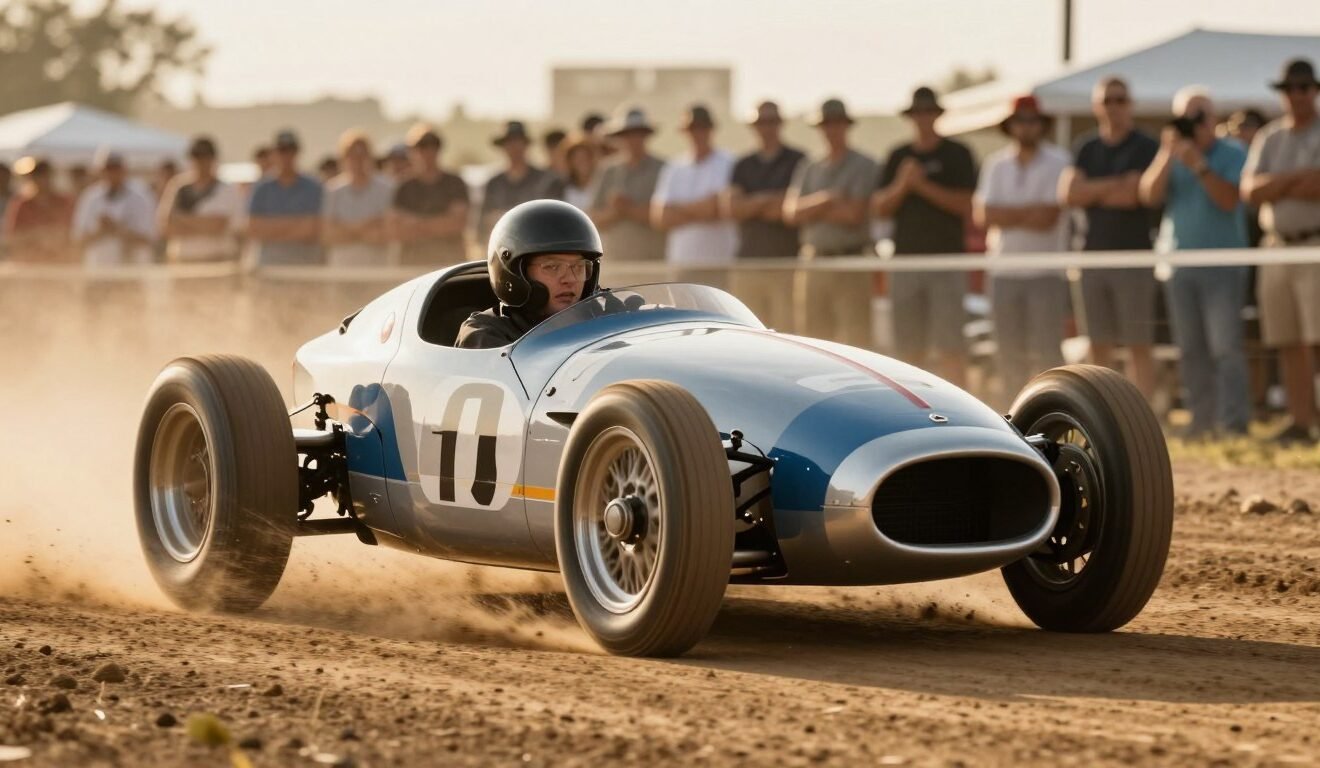
- 1951 Almquist H-Mod: A Postwar American Hot Rod Built for the Dirt Tracks
- The Rise of Grassroots Motorsport in Post-WWII America
- The 1951 Almquist H-Mod: A Postwar American Hot Rod Built for the Dirt Tracks
- Legacy and Significance in American Racing History
- FAQ
- What is the 1951 Almquist H-Mod?
- What inspired the construction of the Almquist H-Mod?
- What are the key features of the Almquist H-Mod's design?
- How did the Almquist H-Mod contribute to American racing history?
- What is the significance of the Almquist H-Mod's technical specifications?
- What is known about the Almquist H-Mod's competition history?
- How did the post-WWII era influence the development of cars like the Almquist H-Mod?
- What role did builders like Almquist play in shaping early American short-track racing?
1951 Almquist H-Mod: A Postwar American Hot Rod Built for the Dirt Tracks#
After World War II, American grassroots motorsport saw a big jump. Fans were building and racing their own cars on dirt tracks everywhere. The 1951 Almquist H-Mod is a standout from this time. It shows the creativity and competitive drive of postwar American hot rodding.
This car was made by hand during a time when international racing was changing. Cars like the Jaguar XK.120 were setting new speed records. Against this backdrop, the Almquist H-Mod was built. It shows the creativity and resourcefulness of its builder in the quest for speed on dirt ovals.

Key Takeaways#
- The 1951 Almquist H-Mod is a key piece in postwar American grassroots motorsport.
- It was built for dirt track racing, showing the ingenuity of its creator.
- The post-World War II era saw a rise in motorsport activities, with cars like the Jaguar XK.120 setting new standards.
- The Almquist H-Mod embodies the spirit of improvisation and competition that defined early short-track motorsports.
- This hot rod is a testament to the creativity and resourcefulness of its builder in pursuing speed.
The Rise of Grassroots Motorsport in Post-WWII America#
After World War II, America saw a big change in motorsport. This was thanks to the skills of returning servicemen. They moved from making war tools to creating racing cars.
From Wartime Innovation to Racetrack Ingenuity#
The war gave servicemen skills in mechanics and engineering. They used these skills to make and modify racing cars. This was key in starting the grassroots motorsport scene.
Technical Skills Returning from War#
Servicemen came back with skills in mechanics and engineering. They helped create new racing car designs.
Surplus Parts and Materials Availability#
After the war, there were lots of parts and materials left over. This let builders try new things and make fast racing cars.
The Birth of Modified Racing Classes#
As motorsport grew, it needed rules and classes. This led to the start of modified racing classes. They became a big part of American dirt track racing.
Oval Dirt Track Racing Culture#
Oval dirt track racing became popular. It had its own culture and challenges. Builders and drivers made cars that were both fast and tough.
Early Rule Development and Classification#
Rules and classes were made to keep the sport fair and safe. This helped everyone compete on an even level.
The Almquist H-Mod shows the creativity of this time. It had a light build and exposed wheels. These were key features of early modified racing classes.

| Characteristics | Early Modified Racing Classes | Oval Dirt Track Racing |
|---|---|---|
| Key Features | Lightweight construction, exposed wheels | High-speed oval tracks, dirt surface |
| Technical Innovations | Use of surplus parts, innovative materials | Engine modifications, suspension tweaks |
| Cultural Impact | Community-driven, DIY ethos | Regional competitions, local heroes |
The 1951 Almquist H-Mod: A Postwar American Hot Rod Built for the Dirt Tracks#
The 1951 Almquist H-Mod is a top example of postwar American hot rod engineering. It was made for dirt track racing. Its builder showed great skill and creativity in its construction.

Design and Construction Philosophy#
The Almquist H-Mod was built to be light and fast for dirt track racing. Its lightweight tubular frame construction helped achieve this. It was strong but light.
Lightweight Tubular Frame Construction#
The tubular frame was a smart choice for the Almquist H-Mod. It made the car light and agile. This was perfect for racing on dirt tracks.
Exposed Wheel Configuration#
The exposed wheel configuration of the Almquist H-Mod gave it an edge. Without fenders, it was lighter and faster. This design choice improved its performance.
Technical Specifications and Engineering Solutions#
The Almquist H-Mod’s specs were carefully chosen for dirt track racing. The engine selection and modification were key. The engine had the power and reliability needed.
Engine Selection and Modification#
The engine in the Almquist H-Mod was picked for its power and durability. It was modified to boost its performance. This ensured the car could race well on dirt tracks.
Suspension and Handling Characteristics#
The suspension and handling characteristics of the Almquist H-Mod were designed for racing. The suspension gave stability and control. This let the driver push the car hard on dirt tracks.
Racing Performance and Competition History#
The Almquist H-Mod’s racing history is not well-documented. But its achievements show the builder’s genius. Its design and specs made it a strong competitor.
Notable Races and Achievements#
The Almquist H-Mod raced in several dirt track events. It showed its capabilities and the driver’s skill. Details of its races are hard to find.
Challenges of Documentation and Historical Record#
Finding information on the Almquist H-Mod’s racing history is tough. But its legacy lives on. It stands as a symbol of innovation in early American dirt track racing.
Legacy and Significance in American Racing History#
The 1951 Almquist H-Mod is a key part of American racing history. It shows the creativity of postwar racing. This car was built by hand, showing the early days of dirt track racing.
This car’s legacy goes beyond its wins. It stands for the creativity and resourcefulness of early motorsport builders. It’s like the Jaguar XK.120, another iconic car of the time.
The Almquist H-Mod is a piece of hot rod history. It shows the innovative designs and engineering of the time. It reminds us of the pioneering spirit in American motorsport.