



1961 Alsbury Special: A Rare American-Built Racing Special from the Early 1960s
1961 Alsbury Special: A Rare American-Built Racing Special from the Early 1960s The early 1960s were a key time for American racing. It was filled...
- 1961 Alsbury Special: A Rare American-Built Racing Special from the Early 1960s
- The Golden Age of American Racing Specials
- The Alsbury Special: A Privateer's Racing Creation
- Technical Specifications and Construction Methods
- Conclusion: The Challenge of Documenting Racing Specials
- FAQ
- What is the Alsbury Special?
- What type of events was the Alsbury Special built for?
- What is the significance of the early 1960s in American motorsport?
- What were the key characteristics of the Alsbury Special's design?
- Why is it challenging to document racing specials like the Alsbury Special?
- What was the purpose of using readily available American engines and components in the Alsbury Special?
- What performance characteristics would the Alsbury Special have had?
1961 Alsbury Special: A Rare American-Built Racing Special from the Early 1960s#
The early 1960s were a key time for American racing. It was filled with creativity and a love for speed. The 1961 Alsbury Special is a rare example of American creativity.
This racing special was built by a private owner. It shows the importance of individual builders in early motorsport. The Alsbury Special is a mix of American racing spirit and new design ideas.

In the early 1960s, many people built and raced their own cars. Companies like Aston Martin and AC Cars also made racing cars. The Alsbury Special shows the creativity and hard work of its builder.
Key Takeaways#
- A rare example of an American-built racing special from the early 1960s.
- Represents a unique blend of American ingenuity and racing spirit.
- Built during a key time for grassroots motorsport in America.
- Showcases the creativity and determination of its builder.
- A testament to the innovative design of privateer race cars.
The Golden Age of American Racing Specials#
In the early 1960s, American grassroots motorsport saw a big boost. Enthused by the DIY spirit, people built and raced their own cars. They used common parts to make their racing specials.
Grassroots Motorsport Culture in Early 1960s America#
The early 1960s in America were full of life for motorsport fans. Many built and raced their own cars. Formula libre cars were a hit, showing off builders’ skills and creativity.
This culture welcomed everyone, from all walks of life. It was a time when people came together to enjoy racing.
| Aspect | Description | Impact |
|---|---|---|
| DIY Ethos | Builders used readily available components. | Reduced costs, increased creativity. |
| Formula Libre Cars | Open formula allowing various configurations. | Encouraged innovation and competition. |
| Community | Inclusive, with participants from various backgrounds. | Fostered a sense of camaraderie and shared passion. |
The Rise of DIY Racing and Independent Builders#
The DIY racing and independent builders movement grew strong during this time. Fans didn’t let the lack of factory support stop them. They used American engines and components to make fast cars.
This approach made racing more accessible and encouraged new ideas. Builders kept pushing to make their cars better.

The Alsbury Special is a great example of this era’s creativity. It shows the builder’s ingenuity and continues to inspire today.
The Alsbury Special: A Privateer’s Racing Creation#
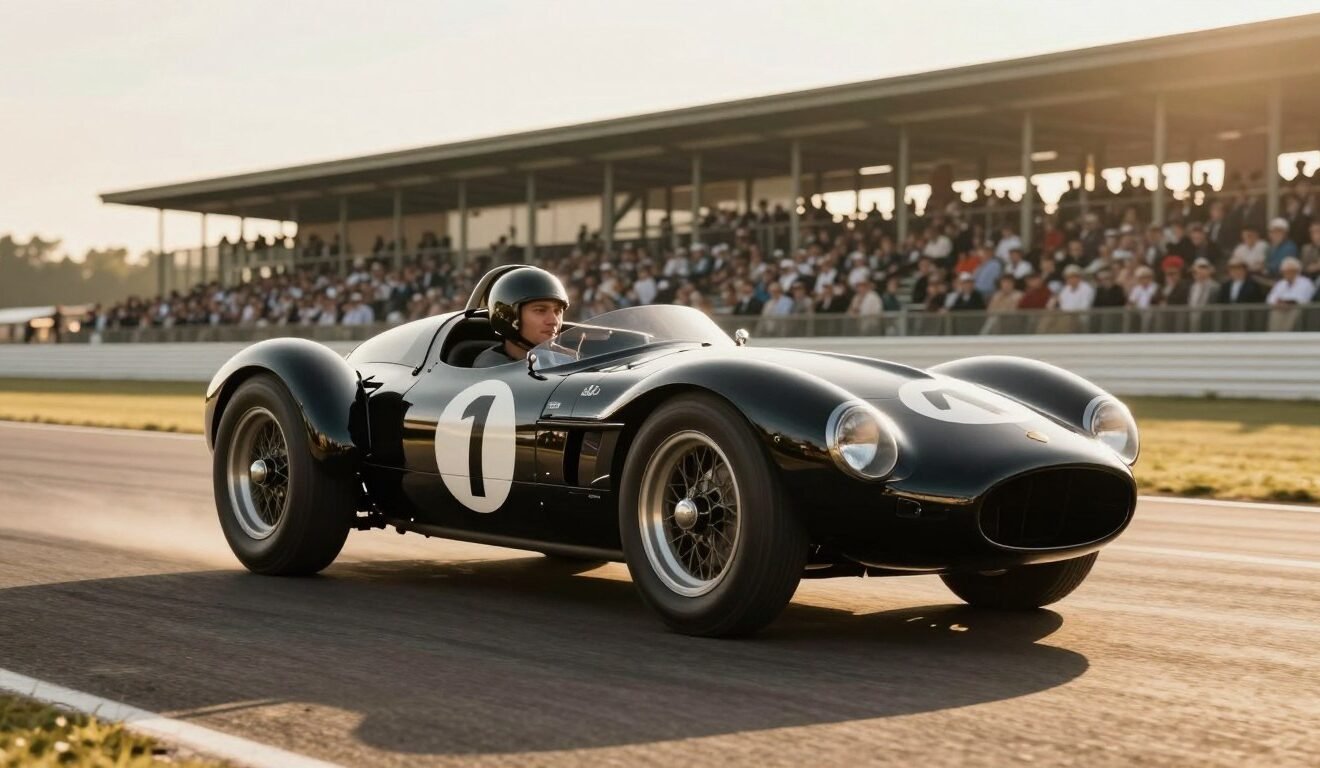
The Alsbury Special is a rare American-built racing car. It shows us the grassroots motorsport culture of its time. It was made to compete in local racing events.
Origins and Purpose#
The Alsbury Special was built for local circuit racing and hill climbs. These were popular among privateer racers. Its design shows the resourcefulness and ingenuity of independent builders back then.
Local Circuit Racing and Hill Climbs#
Local circuit racing and hill climbs were perfect for the Alsbury Special. It was lightweight and had agile handling. These events let privateers race in a friendly setting, building a community among them.
Formula Libre Competition#
The Alsbury Special was also good for Formula Libre competitions. In these, cars with different specs raced together. This racing pushed for innovation and driving skill, as drivers had to adjust to their car’s unique traits.

Known Racing History#
The exact racing history of the Alsbury Special is not well-known. But it likely raced in many local events. Its legacy lives on through vintage racing photography and race records, giving us a peek into its past.
- Participated in local circuit racing events
- Competed in hill climbs
- Took part in Formula Libre competitions
The Alsbury Special’s racing history, though not fully documented, shows the spirit of privateer racing. It highlights the charm of grassroots motorsport culture.
Technical Specifications and Construction Methods#
The Alsbury Special was designed for racing in the early 1960s. It combines innovation with practicality. The materials and techniques used were common back then.
Chassis and Bodywork Design#
The Alsbury Special has a lightweight chassis for better racing. Its open-wheel configuration makes it light and agile.
Lightweight Materials and Construction Techniques#
Building the Alsbury Special with lightweight materials was key. Aluminum or steel tubing was likely used. This mix of strength and lightness was important.
Minimalist Open-Wheel Configuration#
The open-wheel design cuts down on drag. It also improves handling. This made it great for racing in the early 1960s.
Powertrain and Components#
The Alsbury Special runs on American-sourced engines and parts. This was a smart choice because these were easy to find in the early 1960s. It had the power needed for racing.
American-Sourced Engines and Parts#
Choosing American engines and parts made the Alsbury Special reliable. These parts came from well-known American makers.
Performance Characteristics#
| Feature | Description | Benefit |
|---|---|---|
| Lightweight Chassis | Constructed with lightweight materials | Enhanced agility and acceleration |
| Open-Wheel Configuration | Minimalist design reducing drag | Improved handling and speed |
| American-Sourced Powertrain | Engines and parts from American manufacturers | Reliability and competitive performance |
Conclusion: The Challenge of Documenting Racing Specials#
Documenting rare racing specials, like the 1961 Alsbury Special, is tough because of the lack of records. These cars don’t have the same detailed factory records as mass-produced vehicles. This makes it hard to fully understand their past.
Using period photos and race records is key to learning about these special cars. The Alsbury Special’s story, for example, is pieced together from various sources. This shows the hurdles of racing archaeology.
Even with these challenges, the impact of such historic racing profiles is lasting. They give us a peek into early 1960s American grassroots motorsport. By gathering all the data we can, fans help tell the stories of these unique cars. This enriches the history of niche automotive.