




1928 Alvis 12/50: The British Sports Tourer That Defined Alvis Performance
1928 Alvis 12/50: The British Sports Tourer That Defined Alvis Performance In the late 1920s, British drivers wanted more than just a car. They looked...
- 1928 Alvis 12/50: The British Sports Tourer That Defined Alvis Performance
- The Alvis 12/50: A Sporting Revolution
- Design Variants and Performance Capabilities
- Conclusion: Defining the Alvis Legacy
- FAQ
- What was the significance of the Alvis 12/50 in Alvis's history?
- What made the Alvis 12/50 a standout model in the interwar British motoring scene?
- What range of body styles and production versions were available for the Alvis 12/50?
- What performance capabilities made the Alvis 12/50 a favorite among private owners and club racers?
- How did the Alvis 12/50 influence Alvis's brand identity?
- Why is the Alvis 12/50 highly sought after by vintage car collectors?
- What was the context of the British motoring scene when the Alvis 12/50 emerged?
- How did the Alvis 12/50's technical innovations contribute to its success?
1928 Alvis 12/50: The British Sports Tourer That Defined Alvis Performance#
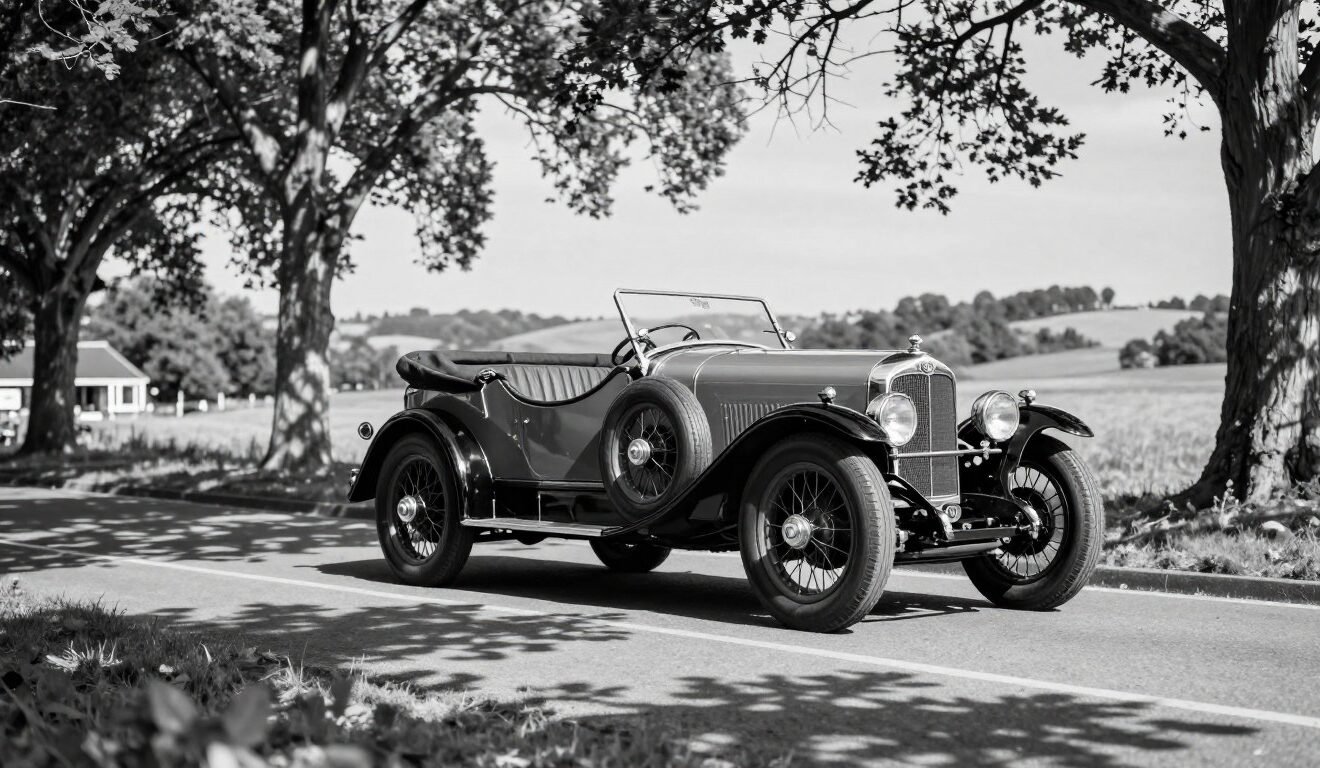
In the late 1920s, British drivers wanted more than just a car. They looked for speed, elegance, and reliability in one. The 1928 Alvis 12/50 gave them all that, making it perfect for both racing and daily use.
The Alvis 12/50 was introduced in 1923. It quickly became known for its speed and luxury. Its advanced features, like overhead-valve engines and light build, made it a top choice for British sports tourers.

The Alvis 12/50 showed Alvis’s dedication to quality and performance. It captured the spirit of British car culture in the 1920s.
Key Takeaways#
- The 1928 Alvis 12/50 was a pioneering model that combined sporty performance with refinement.
- It was introduced in 1923 and quickly gained a reputation for its advanced engineering features.
- The Alvis 12/50 set a new benchmark for British sports tourers with its overhead-valve engines and lightweight construction.
- It played a significant role in defining Alvis’s performance history and classic models.
- The 12/50 remains a notable example of interwar British motoring excellence.
The Alvis 12/50: A Sporting Revolution#
The Alvis 12/50 was a big deal in British sports car history. It mixed elegance with power in a unique way. It quickly became a favorite among car lovers who wanted something special.

Origins in the Interwar British Motoring Scene#
The Alvis 12/50 came out in a time of big changes in British cars. Interwar British automobiles were known for their cool designs and how well they performed.
Market Position as a Refined Alternative#
The 12/50 was seen as a lightweight touring car. It was for people who wanted both comfort and speed. Its advanced tech made it stand out in the market.
Initial Reception and Impact#
When the Alvis 12/50 first came out, everyone loved it. They praised its overhead valve engines and how well it performed. This made it very popular.
Technical Innovations for the Era#
The Alvis 12/50 was ahead of its time with its automotive innovation in the 1920s. Its use of overhead valve engines made it a top prewar British sports car.
Advanced Engineering Solutions#
The 12/50 had some smart engineering, like its overhead valve engine. This made it run better and use less fuel.
Manufacturing Quality and Craftsmanship#
The Alvis 12/50 was made with top-notch quality and care. It was built to last for long drives and racing. Its reliability and performance made it even more famous.
Design Variants and Performance Capabilities#
The 1928 Alvis 12/50 was known for its many design options. It had elegant touring models and racing versions. This made it popular with many drivers, from those who loved comfort to those who enjoyed racing.
Body Styles and Production Versions#
The Alvis 12/50 came in different body styles. This met the needs of various customers. There were models for comfort and luxury, and others for racing.
Touring Models and Coachwork Options#
The touring models of the Alvis 12/50 focused on elegance and comfort. They had detailed coachwork and luxurious interiors. This made them great for travel and social events. Owners could choose from many coachwork options to match their style.
Special Competition Variants#
The competition variants of the 12/50 were all about speed. They were light and fast, perfect for racing. These cars were popular among British racers.
Performance Characteristics#
The Alvis 12/50 was loved for its performance. Its engine and handling made it stand out. It was a favorite among fans of British sports cars.
Overhead-Valve Engine Specifications#
The 12/50 had an overhead-valve engine. It was efficient and powerful. Its 1496 cc engine was strong for its time, making it great for both road and racing.
Handling and Road Behavior#
The 12/50 was also known for its handling. Its chassis and suspension made it fun to drive. It was a hit with drivers who loved to drive fast and enjoy the ride.

| Model Variant | Body Style | Engine Type | Performance Characteristics |
|---|---|---|---|
| Touring Model | Elegant Touring | Overhead-Valve | Comfort-oriented, suitable for long-distance travel |
| Competition Variant | Lightweight, stripped-down | Overhead-Valve | Optimized for speed and agility, ideal for racing |
Conclusion: Defining the Alvis Legacy#
The Alvis 12/50 was a key model that set the stage for the Alvis brand. It showed the brand’s dedication to making high-quality, fast cars. This car had a big impact on the early days of car culture.
Now, the 12/50 is a favorite among vintage car fans in the UK. It’s loved for its classic look and how well it performs. This shows Alvis’s strong focus on keeping car history alive.
The 12/50’s influence goes beyond its own time. It helped shape Alvis’s identity and guide their future car designs. So, the 12/50 is a big part of Alvis’s rich history.