




Coachbuilt Cars and the Art of Handcrafted Bodies: When Automobiles Were Rolling Masterpieces
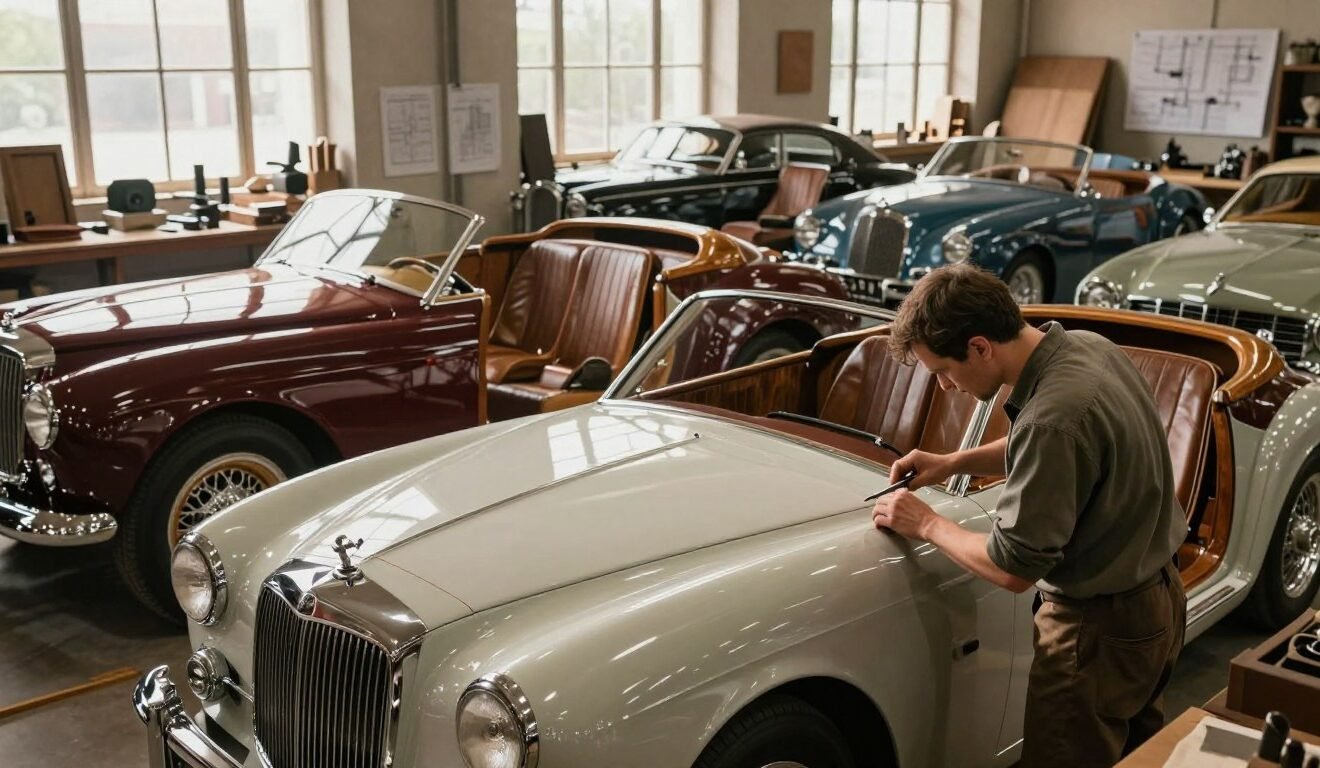
Coachbuilt Cars and the Art of Handcrafted Bodies: When Automobiles Were Rolling Masterpieces
The art of making bespoke automobiles goes back to horse-drawn carriages. Skilled artisans turned bare chassis into rolling masterpieces. These cars were both beautiful and functional.

The tradition of coachbuilding moved into the car world. Luxury brands like Rolls-Royce brought back this art with models like Sweptail and Boat Tail. These luxury coachbuilt cars show the skill and care in the industry.
Key Takeaways
- The art of coachbuilding has its roots in horse-drawn carriage construction.
- Bespoke automobiles are crafted with precision and attention to detail.
- Rolls-Royce has revived the coachbuilding tradition with modern models.
- Luxury coachbuilt cars are a blend of engineering and elegance.
- The art of handcrafted bodies is a unique aspect of the automobile industry.
The Origins of Automotive Coachbuilding
The art of coachbuilding started with horse-drawn carriage making. It then moved to motorized vehicles. This change was big, affecting design, materials, and how things were made.
From Horse-Drawn Carriages to Automobile Bodies
Carriage makers used their old skills for new cars. They learned about the new forces from motors.
Traditional Carriage-Making Skills
Carriage makers brought their talent to the car world. They worked with wood, metal, upholstery, and paint.
Transition to Motorized Vehicles
As cars became common, coachbuilders made bodies that looked good and worked well. They tried new materials and designs.
Early Pioneers of Automotive Coachbuilding
The early days of car coachbuilding had pioneers in Europe and America. They helped shape the industry.
European Founding Fathers
European coachbuilders, like those in France and Italy, were famous for their work. They teamed up with chassis makers to create unique car bodies.
American Coachbuilding Beginnings
In America, coachbuilders started working on cars too. Companies like Brewster & Co. in New York were early in making car bodies.
| Region | Notable Coachbuilders | Characteristics |
|---|---|---|
| Europe | Figoni, Pourtout, Saoutchik | Elegant designs, innovative use of materials |
| America | Brewster & Co., Fleetwood | Blend of traditional craftsmanship with modern automotive technology |

The Golden Era of Coachbuilt Cars
The golden era of coachbuilt cars was a time of unmatched skill and beauty. Famous coachbuilders turned simple chassis into stunning works of art. They combined new designs with top-notch quality.
Pre-War European Coachbuilders
European coachbuilders were known for their elegance and skill. French masters like Figoni et Falaschi and Saoutchik were famous for their elegant designs and fine details.
French Elegance: Figoni et Falaschi and Saoutchik
Figoni et Falaschi and Saoutchik made cars that were both beautiful and showed the owner’s style. Their designs had smooth curves and detailed touches, making each car a masterpiece.
Italian Mastery: Touring and Pininfarina
Italian coachbuilders like Touring and Pininfarina brought their own style to the table. Their cars were known for their clean lines, elegance, and smart aerodynamics.

American Coachbuilding Traditions
American coachbuilders also made big contributions. Companies like Brewster, Murphy, and LeBaron were famous for their quality and creativity.
Brewster, Murphy, and LeBaron
These American builders were inspired by European styles but added their own twist. They teamed up with makers like Rolls-Royce to create custom bodies that showed off luxury and power.
Regional Styles and Influences
Regional styles and influences shaped American coachbuilding. This led to a wide variety of cars, each with its own cultural and aesthetic touch.
Notable Masterpieces and Their Impact
The masterpieces from this time were not just beautiful but also changed car design forever. These coachbuilt cars are celebrated for their beauty, innovation, and historical value.
The Art and Craftsmanship of Coachbuilt Automobiles
Coachbuilt cars are the top of automotive art, blending skill with beauty. Making these cars needs a deep grasp of both art and tech.
Hand-Formed Metal: Techniques and Tools
Shaping metal by hand is key in coachbuilding. Artisans use old techniques to make the bodywork of these special cars.
The English Wheel and Metal Shaping
The English wheel is a key tool for shaping metal. It lets craftsmen make complex curves. This work needs skill and patience to get the right shape.
Aluminum vs. Steel Bodywork
Choosing between aluminum and steel depends on what the car needs. Aluminum is light, while steel is strong. At Rolls-Royce, artisans shape aluminum to make their famous bodies.
Custom Interiors and Bespoke Details
Bespoke interiors let clients make their car’s inside just how they want. From leatherwork and upholstery to wood and metal trim, every part shows the client’s style.
Leatherwork and Upholstery
Leatherwork and upholstery are key for a coachbuilt interior. Skilled workers pick and shape top leathers for comfy, stylish seats.
Wood, Metal, and Exotic Materials
Coachbuilders also use exotic materials. These add special textures and looks to the interior, making the car even more unique.
The Collaborative Process Between Client and Craftsman
Making a coachbuilt car is a team effort. The client and craftsman work closely. This way, the car meets the client’s wishes and shows their style.
Chassis Manufacturers and Coachbuilder Relationships
At the heart of the coachbuilt car industry were the relationships between chassis makers and skilled coachbuilders. These partnerships were key in making cars that were top-notch mechanically and looked great.
Rolls-Royce, Bentley, and British Coachbuilding Partnerships
Rolls-Royce and Bentley, known for their luxury cars, teamed up with top British coachbuilders. Park Ward and H.J. Mulliner were leaders, making custom bodies that showed off elegance and style.
Park Ward and H.J. Mulliner Collaborations
Park Ward and H.J. Mulliner worked with Rolls-Royce on iconic models like the Phantom. Their work led to some of the most stunning and rare cars of the time.
The Phantom and Continental Platforms
The Rolls-Royce Phantom was a versatile base for coachbuilders to show off their skills. Continental models from other makers also gave coachbuilders a chance to create unique designs.
Continental Collaborations: Bugatti, Delahaye, and Their Coachbuilders
Continental makers like Bugatti and Delahaye teamed up with coachbuilders too. These partnerships led to the making of some of the most stunning coachbuilt cars, known for their creative designs and top-notch craftsmanship.
Chassis Design for Coachbuilders
The design of the chassis was key in coachbuilding. Makers like Bugatti and Delahaye made their chassis with coachbuilders in mind. They provided the needed flexibility and strength for many body styles.
American Manufacturers and Their Approach to Coachbuilding
American makers took a different path in coachbuilding, focusing on bigger, more powerful chassis. This led to the creation of unique coachbuilt cars that showed off American car traditions.
“The coachbuilt car represents the pinnacle of automotive craftsmanship, a blend of mechanical excellence and artistic expression.”
The bonds between chassis makers and coachbuilders were essential in making these masterpieces. They symbolized status, innovation, and design freedom.
The Decline of Coachbuilt Cars and Their Lasting Legacy
The decline of coachbuilt cars was a slow process. It was influenced by economic changes and new technologies. As cars became more common, making them by hand became less popular. This was because mass production made cars cheaper and more efficient.
Mass Production and the End of an Era
Mass production made handcrafted cars less in demand. Two main reasons led to this:
- Economic Factors and Changing Markets: The world’s economy changed, and people wanted cheaper cars.
- Technological Shifts in Manufacturing: New manufacturing tech made mass production faster and more efficient, reducing the need for custom cars.
Coachbuilt Cars as Status Symbols and Design Laboratories
Even as they became less common, coachbuilt cars were seen as luxury and status symbols. They were also design labs, pushing the limits of car design and craftsmanship. These cars showed off the talent of their makers, inspiring future designers.
Influence on Modern Luxury Automobiles
Coachbuilt cars’ legacy lives on in today’s luxury cars. A new interest in custom cars has brought back the tradition of bespoke vehicles. Brands like Rolls-Royce keep this tradition alive. Key elements that have survived include:
- Attention to Detail: Today’s luxury cars often have detailed touches, just like coachbuilt cars.
- Customization: The ability to tailor cars to personal tastes is a direct result of coachbuilding’s tradition.
Contemporary Coachbuilding Revival
Today, manufacturers are using old coachbuilding techniques to make unique, high-end cars. These cars honor the past while using the latest technology.
Design Elements That Survived
Designs like handcrafted interiors, custom exteriors, and a focus on craftsmanship are alive in today’s luxury cars. They continue to shape the look and feel of modern vehicles.
Conclusion: The Enduring Artistry of Coachbuilt Masterpieces
The art of coachbuilding has made a lasting impact on cars. Its influence is seen in today’s luxury vehicles. Coachbuilt cars are celebrated for their unique craftsmanship and design.
Pioneers of coachbuilding have greatly influenced car design. Companies like Rolls-Royce honor this legacy. They mix old-school coachbuilding with new car tech.
Coachbuilt cars are more than just pretty faces. They’ve shaped the history of car design. Their beauty and skill make them treasures for collectors and fans.
Coachbuilding reminds us of the value of human touch in cars. Even as cars get more automated, the art of coachbuilding stays vital. It keeps the soul of car-making alive.