




1899 Renault Type A: The Tiny French Motorcar That Helped Launch Renault and Modern Motoring
1899 Renault Type A: The Tiny French Motorcar That Helped Launch Renault and Modern Motoring The 1899 Renault Type A was a game-changer. It started...
- 1899 Renault Type A: The Tiny French Motorcar That Helped Launch Renault and Modern Motoring
- The Dawn of French Motoring: Historical Context
- The 1899 Renault Type A: Birth of a Pioneering Voiturette
- Engineering Highlights and Design Philosophy
- Cultural Impact and Market Significance
- The Enduring Legacy of the Renault Type A
- FAQ
- What was the 1899 Renault Type A?
- What is a voiturette?
- Who designed the Renault Type A?
- What were the key technical specifications of the Renault Type A?
- What was the significance of the Renault Type A in the development of modern motoring?
- How did the Renault Type A contribute to Renault's success?
- What was the historical context in which the Renault Type A was created?
- What were some of the challenges faced by early motorists, and how did the Renault Type A address them?
- What is the legacy of the Renault Type A?
1899 Renault Type A: The Tiny French Motorcar That Helped Launch Renault and Modern Motoring#
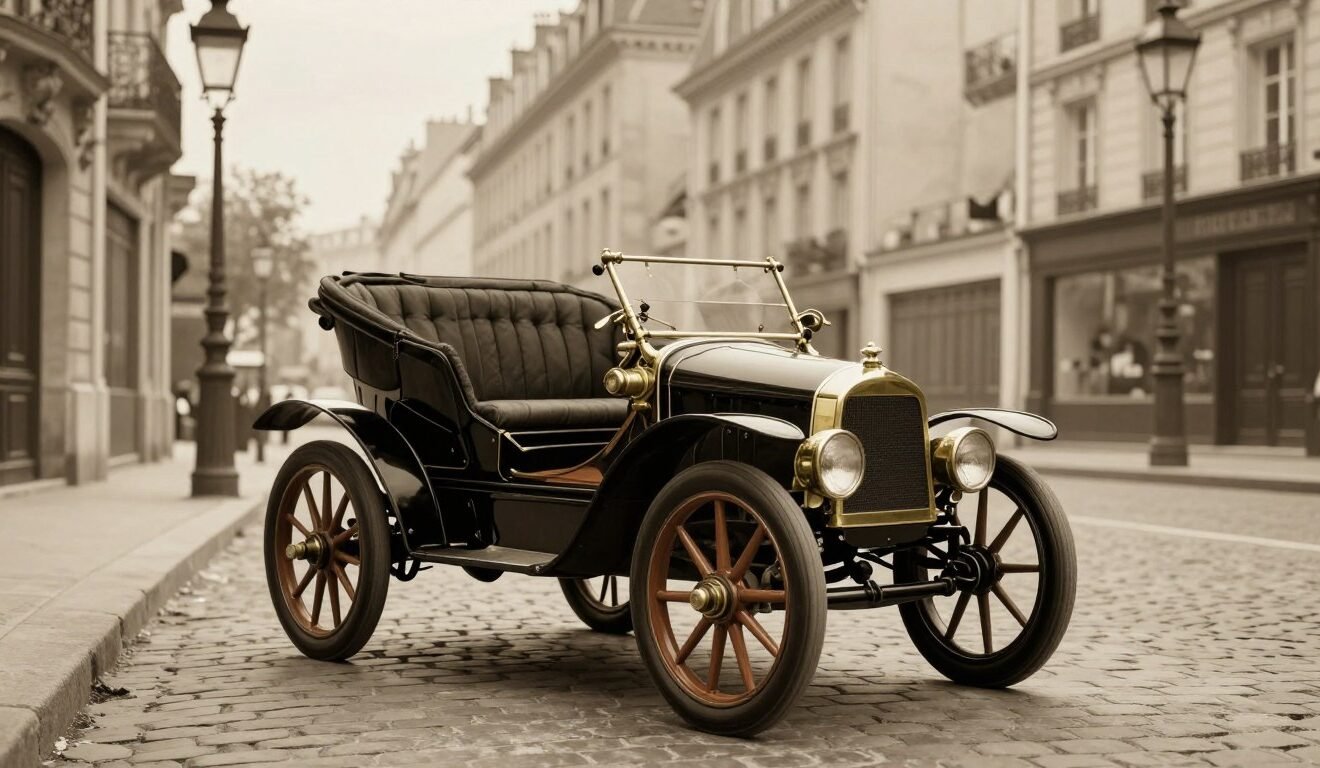
The 1899 Renault Type A was a game-changer. It started Renault’s journey in cars. Louis Renault designed it in 1898. It had a De Dion-Bouton engine and was Renault’s first car.

The Renault Type A was key to Renault’s success. It showed that small, useful cars could work on real roads. It was a big step towards modern cars in the late 1800s.
Key Takeaways#
- The 1899 Renault Type A was Renault’s first production vehicle.
- It was designed by Louis Renault and featured a De Dion-Bouton engine.
- The Type A was a significant milestone in the development of modern motoring.
- It proved the practicality of lightweight motorcars.
- The vehicle played a critical role in establishing Renault as a leader.
The Dawn of French Motoring: Historical Context#
In the late 19th century, France saw a big change that shaped motoring’s future. This time was marked by a move from traditional carriages to the new world of car engineering.
From Carriage Makers to Automobile Engineers#
The switch from horse-drawn carriages to cars wasn’t quick. At first, carriage makers learned to work with the new tech. Louis Renault, a key figure, helped make France a leader in car making.
Carriage makers becoming car engineers was key for the industry’s growth. Historian
“The carriage builders were the first to see the car’s promise, and their skills were vital in its early days.”
This quote shows how important carriage makers were in the shift to car engineering.
| Year | Event | Significance |
|---|---|---|
| 1898 | Louis Renault builds his first car | Marks the start of Renault’s groundbreaking work |
| 1899 | Renault Type A is introduced | Introduces the voiturette class, making cars more accessible |
The Automotive Landscape of Belle Époque France#
The Belle Époque was a time of cultural and economic growth, also marked by new car designs. The Renault Type A was a key example of this change.

This time was full of new ideas and experiments. Renault led the way, showing what was possible with early cars. The Type A’s success showed how small, light cars could make driving more popular.
The Renault Type A and similar cars had a big impact during the Belle Époque. They showed off the latest tech and helped change how people saw cars. France stayed at the forefront of car innovation as the industry grew.
The 1899 Renault Type A: Birth of a Pioneering Voiturette#
The Renault Type A voiturette was introduced in 1899. It changed the car world with its new design and tech. Louis Renault, a young engineer, created this car. He later founded Renault, a famous car company.
Louis Renault and the Founding Story#
Louis Renault was 21 when he made his first car in 1898. He started Renault Frères with his brothers Marcel and Fernand in 1899. The Renault Type A was their first car, showing Louis’s innovative ideas.
The Renault Type A was a small, light car. It was made to be affordable and easy to use. Its design met the needs of early drivers, being simple yet functional.
The term “voiturette” meant small, light cars like the Renault Type A. These cars were cheaper and easier to use than big cars. The Renault Type A’s design and tech made it popular for new drivers.
Technical Specifications and Innovations#
The Renault Type A had a De Dion-Bouton 1 cylinder engine. It could go up to 32 km/h (20 mph). It had a 3-gear manual transmission, a big innovation at the time.
This transmission gave drivers more control. It made driving the Renault Type A better.
Quick Specs Table: Engine, Layout, Performance#
| Specification | Detail |
|---|---|
| Engine Type | De Dion-Bouton 1 cylinder |
| Transmission | Manual, 3-gear |
| Top Speed | 32 km/h (20 mph) |
The Renault Type A showed Louis Renault’s genius. It had a strong engine and a new transmission. This made the car reliable and fun to drive.

The Renault Type A did more than just meet tech specs. It was a big step in car history. It showed that small cars could change how we travel.
Engineering Highlights and Design Philosophy#
The Renault Type A showed Louis Renault’s dream for a practical car. It was made to be easy to use and solve early driving problems.

Revolutionary Direct Drive Transmission System#
The Renault Type A had a direct drive transmission system. This was a big step up from old gearboxes. It made driving smoother and the car more reliable.
“The simplicity of the direct drive transmission was a major advantage, reducing the complexity and weight associated with traditional gearboxes.”
The debate over direct drive vs gearbox was big in early motoring. The Renault Type A’s direct drive proved it was good for small cars.
Chassis, Suspension, and Body Construction#
The Renault Type A’s robust chassis design and suspension tackled early motoring’s tough roads. Its body was simple yet strong for daily use.
Solid rubber tires were a key feature. They were reliable and easy to care for, despite their limits.
Practical Features for Everyday Use#
The Renault Type A was made for daily driving. It had a simple braking system and steering mechanism. These made driving easier and less stressful.
As motoring challenges grew, the Renault Type A stayed a reliable choice. Its design and features were perfect for the 1890s’ roads and fuel issues.
Cultural Impact and Market Significance#
The 1899 Renault Type A was a key player in the early days of cars. It changed the market and culture of driving. Its design and size made it popular among early car owners, helping the car industry grow.
How Small, Lightweight Cars Accelerated Adoption#
Small cars like the Renault Type A helped cars become more popular in the early 1900s. They were easy to drive and affordable. This made cars more appealing to many people.
The Renault Type A was part of the voiturette class. These cars were the start of today’s microcars and compacts. They played a big role in making cars a common mode of transport.

Early Racing Success and Public Recognition#
The Renault Type A won races, making cars more popular. Its wins showed it was fast and reliable. This made it well-known among car lovers.
Its racing wins helped the Renault brand grow. The Renault Type A’s success on the track made Renault a big name in cars.
The Type A’s Role in Early Motoring Culture#
The Renault Type A was more than a car; it was a symbol of the new car culture. Its popularity showed how people wanted to be mobile and free.
As a pioneer, the Type A influenced later Renault models. It helped shape the early car world.
The Enduring Legacy of the Renault Type A#
The 1899 Renault Type A was the start of Renault’s journey in cars. It set the stage for the company’s future success. Renault became a leader in making cars, racing, and innovation.
Renault’s history is rich, from early Voiturettes to today’s cars. Its focus on innovation and performance made it a big name in cars worldwide. It played a big role in France’s industrial history.
The Renault Type A changed how we think about cars. It showed Renault’s spirit of innovation. This legacy inspires car lovers and engineers today, making Renault a top name in cars.
Now, Renault’s classic cars show its innovative spirit. Renault keeps pushing car technology. Its legacy reminds us of its humble start and ongoing commitment to excellence.
FAQ#
What was the 1899 Renault Type A?#
The 1899 Renault Type A was a groundbreaking voiturette. It was the start of Renault’s journey in the car world. Louis Renault designed it.
What is a voiturette?#
A voiturette is a small, light motorcar from the late 19th and early 20th centuries. It’s known for its compact size and simple design.
Who designed the Renault Type A?#
Louis Renault designed the Renault Type A. He was key in making Renault a leader in cars.
What were the key technical specifications of the Renault Type A?#
The Renault Type A had a De Dion-Bouton engine and a manual transmission. It had a direct drive system for a smoother ride.
What was the significance of the Renault Type A in the development of modern motoring?#
The Renault Type A was important in making cars more popular in the early 20th century. It shaped early car culture and the car market.
How did the Renault Type A contribute to Renault’s success?#
The Renault Type A was the start of Renault’s success in cars. It set the stage for their future innovations and achievements.
What was the historical context in which the Renault Type A was created?#
The Renault Type A was made during the Belle Époque era. This was a time of cultural and economic growth in France, leading to new car designs.
What were some of the challenges faced by early motorists, and how did the Renault Type A address them?#
Early motorists faced tough roads and limited fuel. The Renault Type A was made to solve these problems.
What is the legacy of the Renault Type A?#
The Renault Type A’s impact goes beyond its production. It marked Renault’s start as a car leader and shaped modern motoring.