




1924 Austin Seven: The Small Car That Motorized Britain and the World
1924 Austin Seven: The Small Car That Motorized Britain and the World After World War I, the world’s economy was in trouble. The car industry...
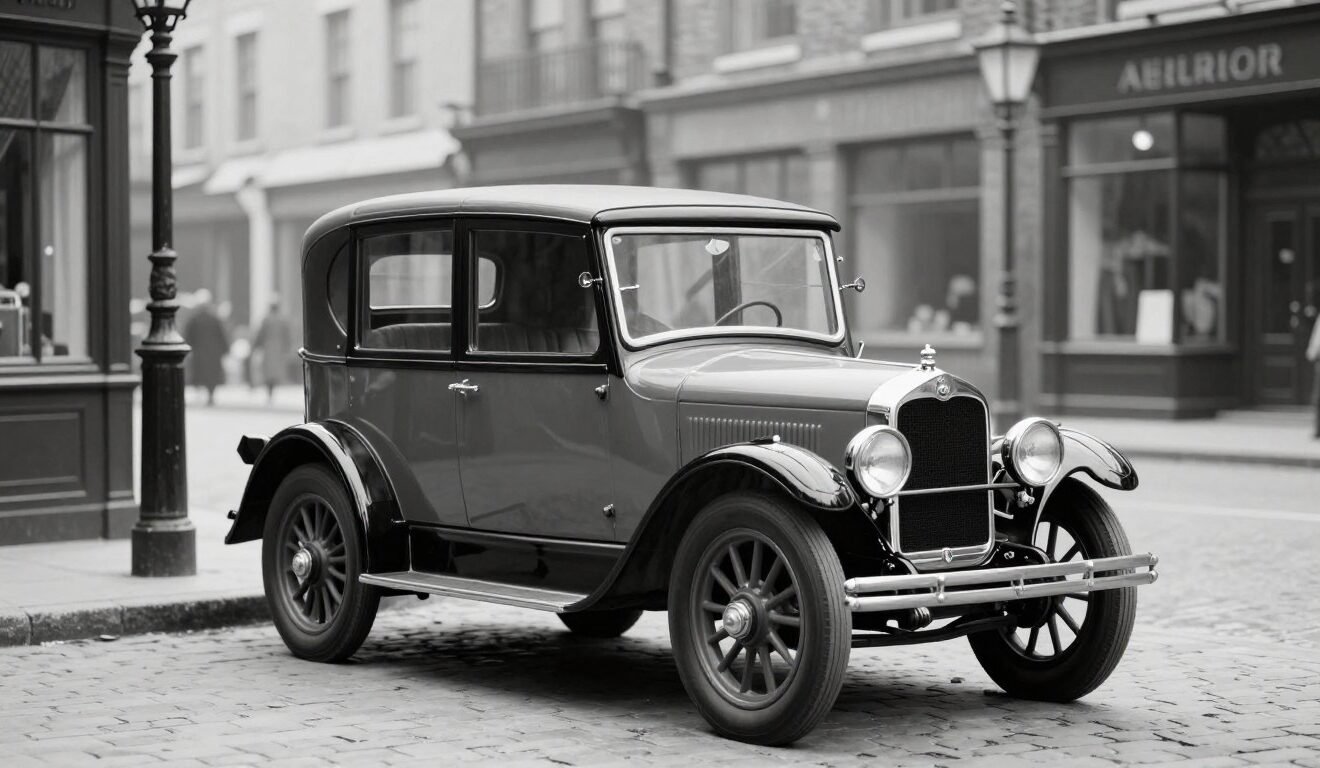
- 1924 Austin Seven: The Small Car That Motorized Britain and the World
- Britain's Post-World War I Automotive Landscape
- Herbert Austin's Vision for Accessible Motoring
- The Austin Seven: Technical Specifications and Design
- Democratizing Car Ownership in Britain
- Global Expansion and Export Success
- The Austin Seven's Global Influence on Automakers
- Reshaping the Automotive Industry Worldwide
- Conclusion: The Lasting Legacy of the Austin Seven
- FAQ
- What was the Austin Seven, and why was it significant?
- Who designed the Austin Seven, and what was his vision?
- What were the key technical specifications of the Austin Seven?
- How did the Austin Seven impact car ownership in Britain?
- Was the Austin Seven a global success, and how was it received internationally?
- How did the Austin Seven influence automakers around the world?
- What was the significance of the Austin Seven's licensed production by BMW and Nissan?
- How did the Austin Seven reshape the automotive industry worldwide?
- What is the lasting legacy of the Austin Seven?
1924 Austin Seven: The Small Car That Motorized Britain and the World#
After World War I, the world’s economy was in trouble. The car industry was hit hard, with big, pricey cars becoming a problem. People needed something more affordable and easy to get.
Herbert Austin came up with the Austin Seven. It was a game-changer in cars. Its small size, engine, and simple design made it a hit. It wasn’t just popular in Britain but also in Europe and Asia.

The Austin Seven had a big impact. It helped make Britain mobile and inspired car makers everywhere. Its influence is seen in cars today.
Key Takeaways#
- The Austin Seven was introduced in 1924 as an affordable alternative to large, expensive cars.
- Herbert Austin’s innovative design made motoring accessible to the average consumer.
- The Austin Seven played a significant role in motorizing Britain and influencing global carmakers.
- Its compact design and simple mechanical layout contributed to its success.
- The Austin Seven’s legacy continues to shape the modern automobile industry.
Britain’s Post-World War I Automotive Landscape#
After World War I, Britain faced tough economic times. The war had left the country with big financial problems. The car industry was also hit hard.
Economic Challenges of Interwar Britain#
The British economy was slow to bounce back from the war. A new tax on car horsepower in 1921 made big cars even more expensive. This made owning and keeping them costly.
The Dominance of Large, Expensive Vehicles#
Before cheaper cars came along, big, pricey vehicles ruled the British roads. These cars were not just expensive to buy. They were also pricey to tax and insure, making them only for the rich.
The Need for Affordable Transportation#
There was a clear need for cars that were more affordable for everyone. Herbert Austin saw this gap and started working on a new car. This car would become the Austin Seven.
| Year | Economic Condition | Automotive Market |
|---|---|---|
| 1918 | Post-war economic strain | Dominance of large, expensive cars |
| 1921 | Introduction of Horsepower Tax | Increased costs for large vehicle owners |
| 1922 | Growing need for affordable cars | Emergence of small car manufacturers |

The Austin Seven was made to be a “big car in miniature,” at a lower price. It met the need for cheaper cars in post-war Britain.
Herbert Austin’s Vision for Accessible Motoring#
Herbert Austin was a leader in the car world. He wanted cars to be for everyone, not just the rich. His work at the Wolseley Sheep Shearing Machine Company and the Austin Motor Company helped him make this dream real.
Austin’s Background and Experience#
Austin knew cars well because of his engineering skills and time at the Austin Motor Company. He saw a need for a small, cheap car that more people could buy.

Developing Against Company Opposition#
Austin faced a lot of opposition from his own company. But he didn’t give up. He believed in his idea of a small, affordable car and worked hard on the Austin Seven.
The Goal: A Car for the Common Person#
Austin wanted a car that was both cheap and fun to drive. The Austin Seven was made to be light, save fuel, and be easy to fix. It was perfect for everyday people.
The Austin Seven: Technical Specifications and Design#
The Austin Seven was a game-changer in early economy cars. Its design and tech specs set a new benchmark. The car’s small size and light build were key to its success.
Compact Dimensions and Lightweight Construction#
The Austin Seven had a short wheelbase of 75 inches and weighed just 375 kg. This made it perfect for Britain’s narrow roads. Its size and weight helped it save fuel and be easy to handle.
The 747cc Side-Valve Engine#
The Austin Seven’s heart was a 747cc side-valve engine. It had enough power for its size. This engine was simple and reliable, great for new drivers.

Simple Mechanical Layout and Accessibility#
The Austin Seven’s design made it easy to maintain. Owners could do basic repairs themselves. This reduced the need for professional mechanics.
Innovations in Small Car Design#
The Austin Seven was a trailblazer in small car design. It introduced innovations that became common in later models. Its design influenced many compact cars that followed.
| Specification | Detail |
|---|---|
| Engine Type | 747cc Side-Valve |
| Wheelbase | 75 inches |
| Curb Weight | 375 kg |
Democratizing Car Ownership in Britain#
The Austin Seven’s launch in the 1920s was a big deal. It made cars affordable for many in Britain. This small car was more than just a ride; it was a sign of progress and cost-effectiveness that changed the car world.
Pricing and Affordability#
The Austin Seven cost £225, which was affordable for many. At that time, the average weekly wage was £3-£4. So, the Austin Seven was a good choice for new drivers.
| Model | Price (£) | Weekly Wage (£) |
|---|---|---|
| Austin Seven | 225 | 3-4 |
| Average Car | 500-1000 | 3-4 |
First-Time Motorist Appeal#
The Austin Seven was easy to use and maintain. This made it perfect for beginners.
“The Austin Seven was the first car that many people ever owned, and it was a revelation to them.”
This quote shows how the Austin Seven changed lives in Britain.
Sales Success and Market Penetration#
The Austin Seven sold over 290,000 units in Britain. It was everywhere on British roads. Its success came from being affordable, reliable, and stylish.

The Austin Seven’s impact on car ownership in Britain was huge. It made cars more available and set the stage for future affordable cars. The small car revolution it started is seen in the car world today.
Global Expansion and Export Success#
Herbert Austin wanted to make cars affordable for everyone, not just in Britain. The Austin Seven was a hit in many countries. It became a popular car around the world.
International Market Reception#
The Austin Seven went to places like Australia, Germany, and Japan. People loved it for its small size, low cost, and cool design. It was perfect for new car owners everywhere.
Manufacturing and Assembly Worldwide#
Because of high demand, the Austin Seven was made in many places. This helped local car industries grow. It also made the car more accessible globally.
Competing in Foreign Markets#
In other countries, the Austin Seven did well against other brands. It was reliable, easy to use, and had good partnerships with local makers.
| Country | Production Method | Impact |
|---|---|---|
| Germany | Licensed production by BMW | Led to the development of BMW Dixi |
| Japan | Licensed production by Nissan | Contributed to Nissan’s Datson model |
| Australia | Direct export and local assembly | Popularized small car ownership |
The Austin Seven’s success helped shape the car world. It left a big mark on car history.
The Austin Seven’s Global Influence on Automakers#
The Austin Seven had a big impact on the car world. Its design and price made it a model for others. This led to changes in how cars were made.
BMW Dixi: Germany’s Licensed Seven#
In Germany, BMW made the Austin Seven into the BMW Dixi. This was BMW’s first car. The Austin Seven’s design helped shape BMW’s early car-making.
Nissan’s Datson: Japan’s Automotive Foundation#
The Austin Seven also changed Japan’s car industry, mainly Nissan. Nissan made the Datson, inspired by the Austin Seven. The Datson helped Nissan grow and showed Japan’s place in the car world.
American Austin and Bantam#
In the U.S., the Austin Seven was used by American Austin Car Company, later American Bantam. Though it didn’t do well, it helped make the Jeep in World War II. The Austin Seven’s ideas helped create this famous military vehicle.
Other International Adaptations#
The Austin Seven’s ideas were used by many car makers worldwide. It helped grow the small car market globally.
| Manufacturer | Licensed Model | Impact |
|---|---|---|
| BMW | Dixi | First BMW car, shaped small car manufacturing |
| Nissan | Datson | Laid foundation for Japan’s automotive industry |
| American Bantam | Austin | Influenced development of the Jeep |
The Austin Seven’s influence shows its innovative design and vision for affordable cars. Its legacy is seen in many cars and companies around the world.
Reshaping the Automotive Industry Worldwide#
The Austin Seven changed the car world by setting a new standard for small cars. It made a big impact globally, changing how cars were made and engineered.
Setting the Template for Mass-Market Small Cars#
The Austin Seven’s design and making methods became a model for others. Its compact size and light weight set the stage for future small cars. Many followed, making more affordable cars available.
Influence on Automotive Engineering Principles#
The Seven’s simple design and easy access set a new standard for car engineering. Its 747cc side-valve engine was reliable and efficient. It influenced engine designs in small cars that followed.
Impact on Global Manufacturing Approaches#
The Austin Seven’s making methods and global success shaped car manufacturing worldwide. It showed that making small cars in large numbers was possible. This encouraged others to follow the same path.
Conclusion: The Lasting Legacy of the Austin Seven#
The Austin Seven’s impact on cars is celebrated today. It’s seen as a key moment in car history. This classic British car not only made Britain mobile but also left a mark on car history worldwide.
Its design and price made cars available to more people. This made car ownership more common. Other companies like BMW and Nissan made similar cars, showing the Austin Seven’s wide reach.
Today, the Austin Seven is loved by car fans everywhere. Its lasting appeal shows its importance in car history. It continues to influence car design and making.
The Austin Seven’s story shows how one car can change the car world. It inspires new car lovers and makers to this day.