




1930 American Austin Coupe: America’s Early Attempt at a Truly Small Car
1930 American Austin Coupe: America’s Early Attempt at a Truly Small Car The 1930 American Austin Coupe was a groundbreaking effort in the American car...
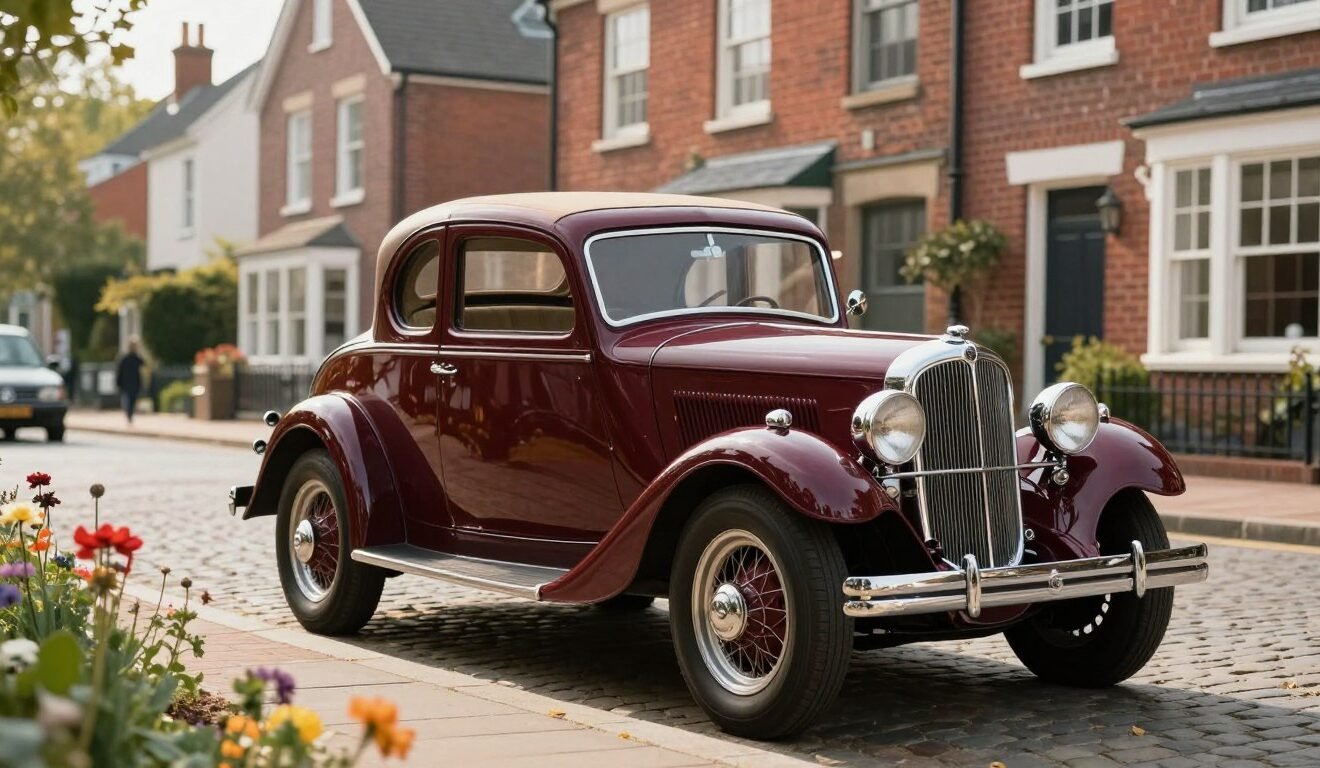
- 1930 American Austin Coupe: America’s Early Attempt at a Truly Small Car
- Origins and Development
- The American Austin Coupe: Design and Specifications
- Market Challenges During the Depression Era
- Historical Significance and Legacy
- FAQ
- What was the 1930 American Austin Coupe?
- Who founded the American Austin Car Company?
- What were the key features of the American Austin Coupe's design?
- What was the engine specification of the American Austin Coupe?
- How fuel-efficient was the American Austin Coupe?
- How much did the American Austin Coupe cost?
- Why did the American Austin Car Company struggle commercially?
- What was the sales performance of the American Austin Coupe in 1930?
- What is the historical significance of the American Austin Coupe?
- What happened to the American Austin Car Company?
1930 American Austin Coupe: America’s Early Attempt at a Truly Small Car#
The 1930 American Austin Coupe was a groundbreaking effort in the American car industry. It was made to be a small car, a time when big cars were the norm. This coupe was based on the British Austin Seven, designed by Sir Herbert Austin.

The American Austin Car Company started in Butler, Pennsylvania, to make the Austin Seven for the U.S. The car got updates for American tastes, like horizontal hood louvers and bigger headlights. Even with the Great Depression starting, they began making cars in June 1930, showing their belief in the car’s success.
Key Takeaways#
- The 1930 American Austin Coupe was an adaptation of the British Austin Seven.
- It was manufactured by the American Austin Car Company in Butler, Pennsylvania.
- The car’s design was updated to suit American tastes.
- Production began in June 1930, despite the Great Depression.
- The coupe represented an early attempt at producing a compact car in America.
Origins and Development#
The American Austin Coupe’s story starts with the British Austin Seven. Introduced in 1922, it quickly became popular in Europe. Sir Herbert Austin saw its chance in the United States.
British Austin Seven Adaptation#
The Austin Seven was licensed for production by companies like BMW and Rosengart. In January 1929, Herbert Austin sent four Sevens to New York for the National Automobile Show. The reaction was great, with many Americans wanting this compact car.
American Austin Car Company Formation#
The Austin Seven’s success at the National Automobile Show led to the American Austin Car Company. It was set up in Butler, Pennsylvania. The goal was to make the Austin Seven fit for the American market. It was designed to be compact and fuel-efficient, appealing to American buyers.

The American Austin Coupe: Design and Specifications#
The American Austin Coupe was launched in 1930. It was a small car made for the American market. Its design and specs were for a compact, affordable vehicle.
Ultra-Compact Dimensions and Styling#
The American Austin Coupe was very small, with a wheelbase of just 75 inches. It was one of the smallest cars on American roads back then. Its styling was made to fit American tastes, with horizontal hood louvers and larger headlights for a modern look.

Small-Displacement Engine Performance#
The American Austin Coupe had a 747cc flathead-four engine that made 15 horsepower. Its engine was made for saving fuel, not for speed. It was perfect for short trips, fitting its role as a second car.
Lightweight Construction and Economy#
The American Austin Coupe was light, which made it fuel-efficient. It could get up to 40 mpg, which was great for saving money on gas. Its price of $445 made it even more appealing as a budget-friendly car.
Market Challenges During the Depression Era#
The Great Depression hit the United States hard, affecting car sales. The American Austin Coupe, launched in 1930, faced big challenges. It was priced at $445, but many couldn’t afford it.
Affordability in Economic Downturn#
The American Austin Coupe was affordable at $445. But, the Depression made it hard for people to buy cars. Its small size didn’t appeal to those who wanted bigger cars.
Cultural Resistance to Small Cars#
People in the early 20th century wanted big cars as status symbols. The American Austin Coupe’s small size was a drawback. It was fuel-efficient and affordable, but not appealing to many.

Sales Performance and Commercial Struggles#
The American Austin Coupe sold only 8,558 units in 1930. Its poor sales led to the company’s bankruptcy in 1934.
| Year | Sales Volume | Market Challenges |
|---|---|---|
| 1930 | 8,558 | Economic downturn, cultural resistance |
| 1931 | N/A | Continued economic hardship |
| 1934 | N/A | Company bankruptcy |
The American Austin Car Company’s story during the Depression shows the hurdles early compact car makers faced. Despite being affordable and innovative, the Coupe couldn’t win over the market. This led to the company’s downfall.
Historical Significance and Legacy#
The 1930 American Austin Coupe is a key part of American car history. It was a leader in making small cars, starting the trend for compact vehicles. This car helped shape the future of economy cars.
The American Austin Car Company left a lasting mark, even though it failed. It helped create the foundation for later small cars like the Crosley. This makes it a forgotten but important pioneer in the car industry.
The American Austin Coupe’s influence on American car history is clear. It showed the ups and downs of making small cars in the U.S. Its legacy reminds us of the car industry’s growth and the search for affordable, innovative vehicles.