




1950 Abarth 205: The First Abarth Ever Built and the Birth of a Racing Legend
1950 Abarth 205: The First Abarth Ever Built and the Birth of a Racing Legend The 1950 Abarth 205 started a legendary journey for the...
- 1950 Abarth 205: The First Abarth Ever Built and the Birth of a Racing Legend
- Carlo Abarth's Vision: From Cisitalia to Independence
- The 1950 Abarth 205: Birth of the First Abarth
- Engineering Excellence: Under the Aluminum Skin
- Turin Motor Show 1950: A Star is Born
- Racing Ambitions and Competitive Heritage
- Conclusion: The Enduring Legacy of the Abarth 205
- FAQ
- What is the significance of the 1950 Abarth 205 in automotive history?
- Who designed the body of the 1950 Abarth 205?
- What is the origin of the scorpion badge associated with Abarth?
- What were the mechanical underpinnings of the 1950 Abarth 205 based on?
- Where did the 1950 Abarth 205 make its debut?
- What was the significance of the 1950 Abarth 205's one-off status?
- How did the 1950 Abarth 205 perform in racing events?
- What is the lasting legacy of the 1950 Abarth 205?
- What was Carlo Abarth's background before starting his own company?
- How did the 1950 Abarth 205 contribute to Abarth's position in the post-war Italian automotive landscape?
1950 Abarth 205: The First Abarth Ever Built and the Birth of a Racing Legend#
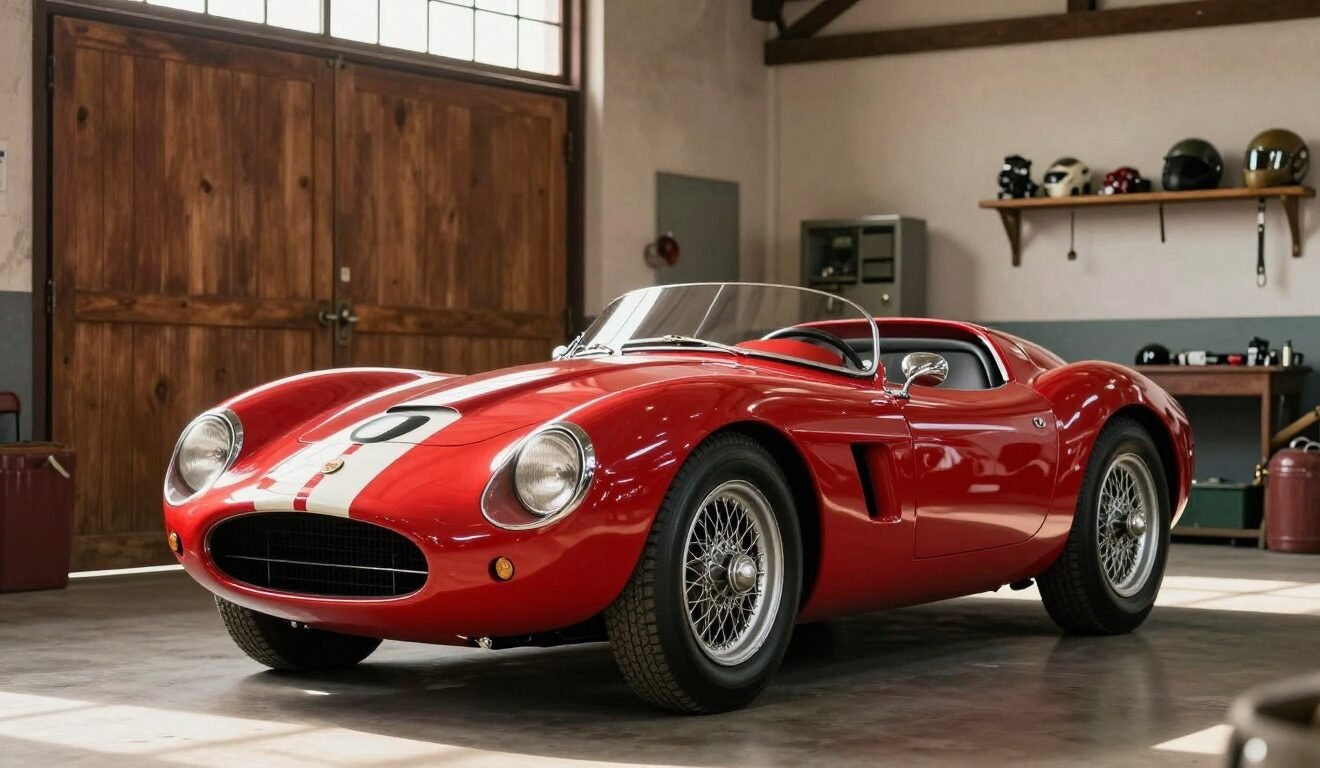
The 1950 Abarth 205 started a legendary journey for the Italian performance brand. Designed by Carlo Abarth after leaving Cisitalia, this car was more than a debut. It was a bold statement.
With a coachbuilt aluminum body by the famous Giovanni Michelotti, the 205 was built for racing. Its light and elegant design made it a hit at the 1950 Turin Motor Show. This set the stage for Abarth’s success in motorsports.

Key Takeaways#
- The 1950 Abarth 205 was the first car to bear the Abarth name.
- It was designed by Carlo Abarth and featured a coachbuilt aluminum body by Giovanni Michelotti.
- The car debuted at the 1950 Turin Motor Show, showing its racing promise.
- The 205 laid the groundwork for Abarth’s future in motorsports.
- Its design and engineering were a big milestone in Abarth’s history.
Carlo Abarth’s Vision: From Cisitalia to Independence#
After World War II, Carlo Abarth’s work with Cisitalia shaped his dreams for Abarth. The Italian car scene was ready for new ideas, with a growing love for racing and fast cars.
The Man Behind the Scorpion#
Carlo Abarth, born in Austria and later an Italian, brought special skills to cars. His engineering background and love for racing set him up for success. His charm and dream for fast cars became Abarth’s signature.
Post-War Italian Automotive Landscape#
The Italian car world after the war was all about racing and style. Companies like Cisitalia, where Abarth worked, led this movement. They competed to make the most stylish and speedy cars.
| Company | Notable Models | Characteristics |
|---|---|---|
| Cisitalia | Cisitalia 202 | Known for its sleek design and racing pedigree |
| Fiat | Fiat 500 | Iconic for its compact size and economical design |
| Abarth | Abarth 205 | Renowned for its lightweight construction and performance |
Departure from Cisitalia and New Beginnings#
In 1947, Abarth left Cisitalia to start his own company. He began by tuning Fiat cars. The scorpion badge, soon to be Abarth’s symbol, showed his independence and vision.
“The scorpion represents the sting of competition, a symbol that would drive Abarth’s philosophy in the years to come.”

Carlo Abarth’s move from Cisitalia to independence changed his career and the Italian car scene. His vision for Abarth started a legacy that would be remembered for years.
The 1950 Abarth 205: Birth of the First Abarth#
In 1950, the Abarth 205 debuted, showing Carlo Abarth’s dream for a fast, light sports car. This was a big moment for Abarth and the car world. It brought a new style to sports cars.
Design Philosophy and Lightweight Approach#
The 1950 Abarth 205 was made to be light and quick. Carlo Abarth aimed to cut down the car’s weight and boost its power. This made the car fast, agile, and easy to handle.
Key features of the lightweight approach included:
- Use of high-strength, lightweight materials
- Aerodynamic body shaping to reduce drag
- Optimization of mechanical components for reduced weight
Giovanni Michelotti’s Coachbuilt Aluminum Body#
The Abarth 205 had a body made of aluminum, designed by Giovanni Michelotti. Michelotti’s design was both beautiful and light. The aluminum body made the car lighter, improving its speed and power.
The partnership between Abarth and Michelotti created a car that was stunning and fast. The aluminum body was made with care, giving the car a sleek look and strong structure.

The Scorpion Badge: Brand Identity Takes Shape#
The scorpion badge first appeared on the 1950 Abarth 205. It was picked for its meaning of speed, agility, and strength. This badge marked the start of Abarth’s brand identity.
The scorpion badge was more than a logo; it showed Abarth’s dedication to speed and racing. The 1950 Abarth 205 was the first to wear this badge. It set the stage for Abarth’s future in motorsports.
Engineering Excellence: Under the Aluminum Skin#
The 1950 Abarth 205 has a strong mechanical base. This shows Carlo Abarth’s skill in engineering. It made the Abarth 205 a strong competitor back then.
Fiat-Based Mechanicals and Performance Modifications#
The 1950 Abarth 205 used a 1.1-litre OHV 4-cylinder engine from Fiat. Abarth’s team improved this engine a lot. They made it faster and more responsive.
Engine Specifications and Power Output#
The Abarth 205’s engine was 1.1-litre and powerful for its time. Abarth fine-tuned it to boost its power. This shows how good Fiat engines can be with the right tweaks.
| Engine Specification | Detail |
|---|---|
| Engine Type | 1.1-litre OHV 4-cylinder |
| Base Origin | Fiat |
| Performance Modifications | Abarth’s proprietary tweaks |
Chassis, Suspension, and Handling Characteristics#
The Abarth 205’s chassis and suspension were made for speed. Its lightweight aluminum body and suspension made it easy to handle. It was fun to drive on any road or track.

The 1950 Abarth 205 is a symbol of engineering excellence. It combined Fiat’s mechanicals, Abarth’s tweaks, and a light chassis. This made it a standout in its era.
Turin Motor Show 1950: A Star is Born#
The Turin Motor Show in 1950 was where the Abarth 205 first appeared. This event was key in shaping the brand’s future. It drew a lot of attention from both the public and the automotive world.
Public and Industry Reception#
The Abarth 205 was a hit at the 1950 Turin Motor Show. People loved its sleek design and strong performance. Experts were impressed by its engineering.
The car’s lightweight aluminum body and powerful engine stood out. The Abarth 205’s debut at the show was a big win for Carlo Abarth. It made his brand known in the car world.
The One-Off Nature and Exclusivity#
The Abarth 205 was a one-of-a-kind car, making it even more special. This uniqueness made it a dream for car lovers and collectors. Its rare status helped make it a legendary car.

The Abarth 205 was a standout at the 1950 Turin Motor Show. Its innovative design, top-notch performance, and rarity made it a star. Its debut was a big step for Carlo Abarth and his brand.
Racing Ambitions and Competitive Heritage#
Carlo Abarth had big dreams for the 205, aiming to make a mark in motorsport. The 1950 Abarth 205 was built for racing. It had a lightweight aluminum body and a tuned Fiat engine for speed.
Early Racing Achievements and Events#
The Abarth 205 debuted in racing events and showed its promise. Notable achievements in these early races set the stage for Abarth’s success. Its quickness and agility let it hold its own against big names.

Competition Against Established Marques#
Even as a newcomer, the Abarth 205 proved it could keep up with the big brands. Its competitive spirit and fresh design made Abarth a standout in motorsport.
Establishing Abarth’s Motorsport DNA#
The Abarth 205’s racing wins were key in shaping Abarth’s motorsport image. By scoring notable results, the 205 solidified Abarth’s reputation in motorsport. This paved the way for future models and races.
Conclusion: The Enduring Legacy of the Abarth 205#
The 1950 Abarth 205 is a key part of Abarth’s history. It shows the brand’s focus on speed, new ideas, and racing. This car was one of the first to carry the Abarth name, starting a legacy that inspires fans of classic Italian cars.
The Abarth 205’s design and engineering made it stand out. Its light build, based on Fiat, and aluminum body showed Carlo Abarth’s dream for a quick and nimble car.
Now, the Abarth 205 is celebrated for its history and lasting impact. It shows Abarth’s love for racing and making fast cars. The Abarth 205’s legacy keeps drawing in collectors and fans, making it a key part of car history.