




1953 Atlas-Allied Swallow: A Little-Known Postwar American Specialty Car
1953 Atlas-Allied Swallow: A Little-Known Postwar American Specialty Car After World War II, the US car scene was ready for new ideas. Many small makers...
- 1953 Atlas-Allied Swallow: A Little-Known Postwar American Specialty Car
- The Rise of Atlas-Allied Motors in Postwar America
- The Atlas-Allied Swallow: A Niche Vehicle of 1953
- Market Challenges and Commercial Struggles
- Conclusion: Why the Atlas-Allied Swallow Became a Historical Footnote
- FAQ
- What is the 1953 Atlas-Allied Swallow?
- Who founded Atlas-Allied Motors?
- What were the key features of the Atlas-Allied Swallow?
- What challenges did small manufacturers like Atlas-Allied face in the postwar American automotive market?
- Why is the Atlas-Allied Swallow considered a rare collector's item today?
- What does the story of the Atlas-Allied Swallow reveal about the American automotive industry in the postwar era?
- How did the use of fiberglass in the Atlas-Allied Swallow reflect broader trends in the automotive industry?
1953 Atlas-Allied Swallow: A Little-Known Postwar American Specialty Car#
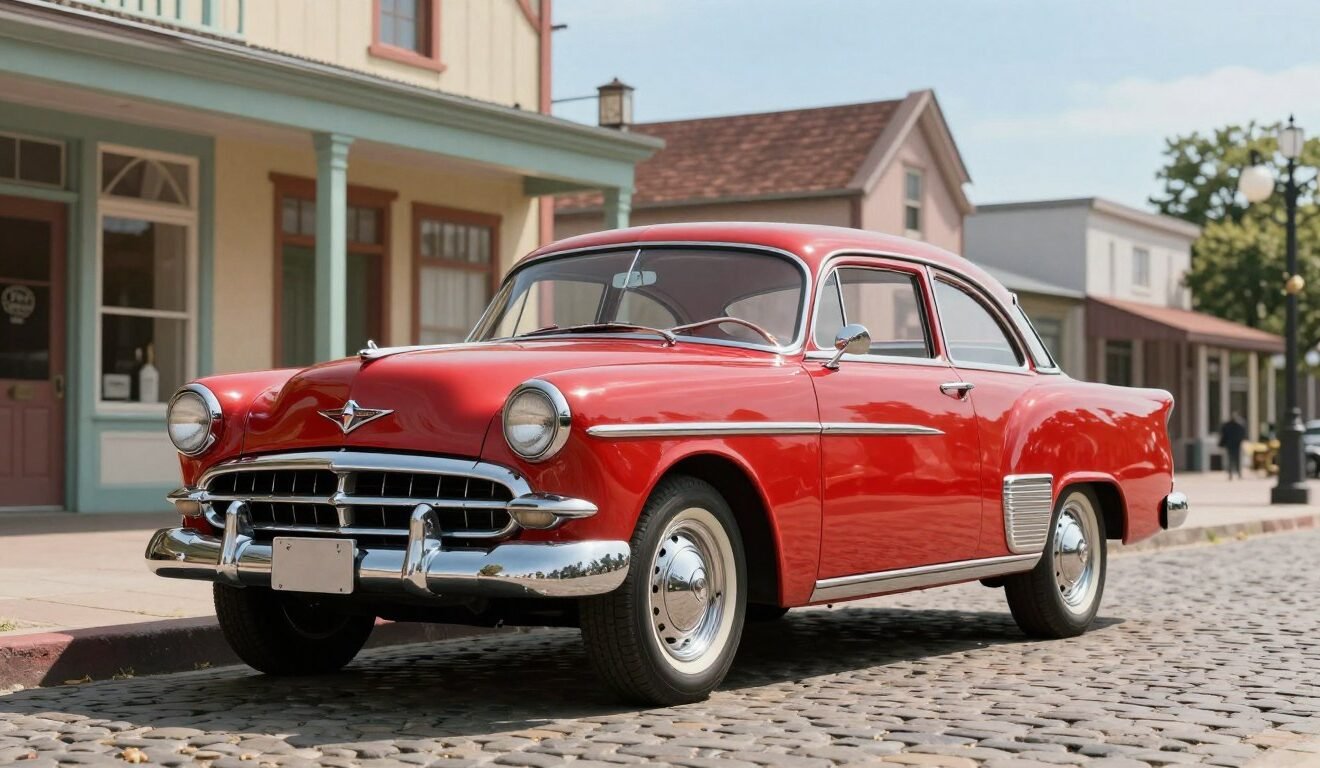
After World War II, the US car scene was ready for new ideas. Many small makers popped up, using new materials and tech to make special cars. The 1953 Atlas-Allied Swallow was one such car, made of fiberglass and full of the era’s spirit.

Bill Burke and Roy Kinch made this car. They were experts in racing and fiberglass. Their work showed a bold move to stand out in a fast-changing market. This car gives us a peek into the world of postwar American cars and the makers of the 1950s.
Key Takeaways#
- The 1953 Atlas-Allied Swallow is a rare example of a postwar American specialty car.
- It was created by Bill Burke and Roy Kinch, leveraging their expertise in racing and fiberglass supply.
- The vehicle represents the innovative spirit of small manufacturers in the early post–World War II period.
- The use of fiberglass in its construction highlights the emerging technologies of the time.
- The Atlas-Allied Swallow is a significant part of American automotive history.
The Rise of Atlas-Allied Motors in Postwar America#
The growth of Atlas-Allied Motors is linked to the American automotive industry after World War II. The U.S. economy grew, and the car industry changed a lot.
Origins and Founding of the Small Manufacturer#
Atlas-Allied Motors started with people who loved racing and knew about fiberglass. This helped them make special cars that met certain needs.

American Automotive Industry After World War II#
After the war, more small American manufacturers emerged, like independent automakers Atlas-Allied Motors. They added variety to the American automotive industry. Their cars were different from those made by the Big Three.
The Atlas-Allied Swallow: A Niche Vehicle of 1953#
The Atlas-Allied Swallow was made in the early 1950s. It’s a specialty car for a specific market. Its style and tech specs made it stand out as a rare US vehicle.

Mechanical Layout and Technical Specifications#
The Swallow had various engines, like those from MG and Jaguar. These were put into a donor chassis. This mechanical layout balanced performance and economy, appealing to those wanting a unique personal vehicle.
Distinctive Styling and Design Elements#
The Swallow’s fiberglass body was a key feature. It was light and gave the car a unique look. Its distinctive styling, including sleek lines and compact size, attracted buyers seeking style and economy.
Limited Production Run and Manufacturing Process#
Between 1952 and 1955, about 25 Atlas-Allied Swallows were made. This made it a limited production run. The manufacturing process was detailed, ensuring each car met high standards. Despite the challenges of small manufacturers at the time, quality was maintained.
Market Challenges and Commercial Struggles#
After World War II, small car makers like Atlas-Allied faced tough times. The car market was very competitive. This made it hard for small companies to stay in business.
Positioning in a Crowded Automotive Market#
The Atlas-Allied Swallow entered a crowded market. Small automakers found it hard to stand out and keep customers. Its unique design and features didn’t get much attention, as bigger brands were more popular.
Competition from Detroit’s Big Three Manufacturers#
The Big Three—General Motors, Ford, and Chrysler—controlled the market. They had lots of money and a wide reach. This made it tough for Atlas-Allied to compete. The Big Three could offer better prices, more ads, and a wider range of cars.
Capital Shortages and Supply Chain Constraints#
Atlas-Allied and others had big money problems. They couldn’t afford new tech and grow. They also had trouble getting parts and materials. This was harder because big companies had more power with suppliers.
These issues made it hard for the Atlas-Allied Swallow and others like it. Despite their cool designs and tech, they couldn’t make it big in postwar America.
Conclusion: Why the Atlas-Allied Swallow Became a Historical Footnote#
The Atlas-Allied Swallow, a rare car from 1953, is now a collector’s dream. It shows the hard times small makers faced in the postwar American car world.
Though it had a cool design, the Swallow couldn’t beat the Big Three of Detroit. It faced production limits and money problems, making it a footnote in car history.
Now, the Swallow is a hit among car collectors. It proves American car innovation lives on. Its tale also tells of the big challenges small companies faced against the giants.
The Swallow’s story is key to keeping America’s car history alive. It reminds us of the role of small makers like Atlas-Allied in shaping car history in America.