



1958 Alken D2: A Rare British Club Racing Prototype of the Late 1950s
1958 Alken D2: A Rare British Club Racing Prototype of the Late 1950s In the late 1950s, British motorsport was all about creativity, not big...
- 1958 Alken D2: A Rare British Club Racing Prototype of the Late 1950s
- The Alken D2: Britain's Forgotten Racing Prototype
- Racing Context and Performance of the Alken D2
- Conclusion: Preserving the Legacy of Obscure Racing Prototypes
- FAQ
- What is the Alken D2?
- Who built the Alken D2?
- What were the technical specifications of the Alken D2?
- What type of racing was the Alken D2 designed for?
- What is the significance of the Alken D2 in British motorsport history?
- What was the British club racing scene like in the late 1950s?
- Why is preserving the legacy of obscure racing prototypes like the Alken D2 important?
1958 Alken D2: A Rare British Club Racing Prototype of the Late 1950s#
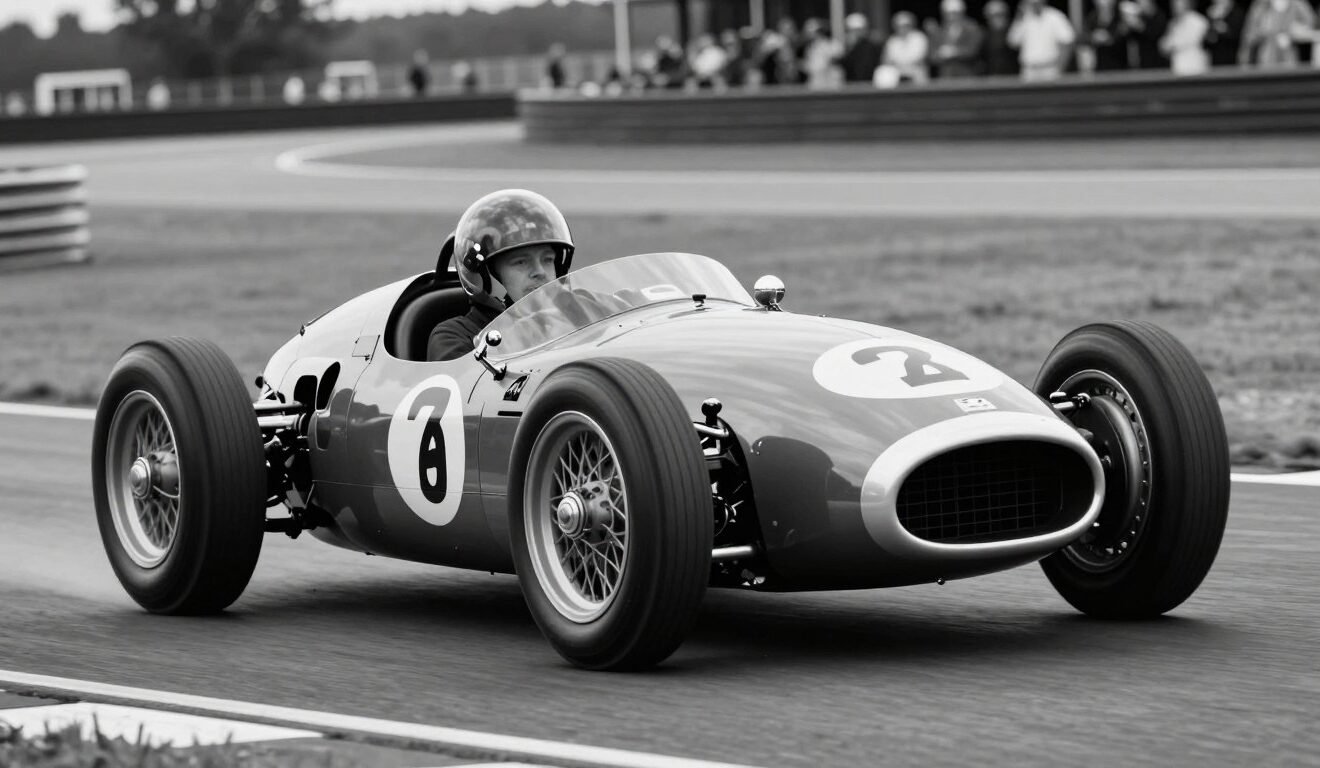
In the late 1950s, British motorsport was all about creativity, not big money. The 1958 Alken D2 was one of many racing cars made by enthusiasts. They built these cars to race wherever they could.

This rare car shows the experimental spirit of post-war British racing. It was made by a small British constructor. It highlights the era’s innovation and versatility in motorsport.
The Alken D2 was probably made for Formula Libre, sports car racing, or hill climbs. It stands for the grassroots spirit of racing with its simple design and small engines.
Key Takeaways#
- The 1958 Alken D2 is a rare example of a British club racing prototype.
- It represents the ingenuity and innovation of the late 1950s motorsport scene.
- The vehicle was likely used in various racing formats, including Formula Libre and hill climbs.
- Its construction reflects the experimental nature of privateer-built cars during this period.
- The Alken D2 embodies the spirit of grassroots motorsport in post-war Britain.
The Alken D2: Britain’s Forgotten Racing Prototype#
The Alken D2 is a key part of British motorsport history. It shows the innovative spirit of its time. This lightweight racing prototype was made for different racing events, like Formula Libre and hill climbs.

Origins of Alken as a Small British Constructor#
Alken, a small British constructor, was important in making the Alken D2. It started in the late 1950s, joining many small builders in British motorsport. Alken was known for being resourceful and open to trying new things, like many privateer builders back then.
Technical Specifications and Design Philosophy#
The Alken D2 was built on a VW floor pan, using VW parts. This made building it easier and showed Alken’s minimalist design idea. Later, it got a 1600 cc Porsche engine, making it faster. This mix of easy-to-get parts and performance upgrades was key to the Alken D2’s design.
Minimalist Construction and Small-Displacement Engines#
The Alken D2’s use of a VW floor pan and a 1600 cc Porsche engine shows its minimalist design. This made it light and fast, winning in many races. As motorsport historians say,
“The use of small-displacement engines in lightweight racing prototypes like the Alken D2 was a key factor in their success during the late 1950s.”
The Alken D2’s story shows the creativity of small British builders in the mid-20th century. It’s remembered fondly by fans of historic racing cars.
Racing Context and Performance of the Alken D2#
The Alken D2 was a rare gem in the British club racing scene of the late 1950s. This era was marked by innovation and experimentation. Many privateer-built cars were developed, pushing design and engineering limits.
British Club Racing Scene of the Late 1950s#
The British club racing scene in the late 1950s was buzzing with activity. Small constructors and privateers entered their cars in various competitions. British club racing was diverse, with cars from modified production vehicles to bespoke racing prototypes like the Alken D2.
This diversity led to a culture of innovation. Constructors and drivers were always looking to improve performance and gain an edge.

Formula Libre and Hill Climb Applications#
The Alken D2 was used in different racing applications, including Formula Libre and hill climbs. Formula Libre had minimal regulations, allowing for experimentation. It was perfect for showing off the Alken D2’s capabilities.
Hill climbs tested a car’s acceleration and climbing ability. They highlighted the Alken D2’s performance.
The Experimental Nature of Privateer-Built Cars#
Privateer-built cars like the Alken D2 were experimental. Constructors were always refining and modifying their designs. This spirit of experimentation was key in 1950s motorsport.
It drove innovation and pushed what was possible with limited resources. The Alken D2, with its minimalist construction and small engine, shows that effective racing cars can be built without big budgets or complex tech.
Conclusion: Preserving the Legacy of Obscure Racing Prototypes#
The Alken D2 is a symbol of the rich history of racing cars. It shows the innovative spirit of its time. As a rare prototype, it has been forgotten over the years.
Today, historic racing documents and photos are all we have left. They remind us of the importance of saving these pieces of history. Preserving these vehicles honors the creativity and dedication of their makers.
By studying and celebrating rare prototypes like the Alken D2, we learn more about motorsport’s past. We see how technology has evolved. This keeps the legacy of these pioneering cars alive, inspiring and educating us all.