




1961 Jaguar E-Type: The Shape of Speed (Design Icon, Racing Roots, and What Collectors Should Know)
1961 Jaguar E-Type: The Shape of Speed (Design Icon, Racing Roots, and What Collectors Should Know) The 1961 Jaguar E-Type was a game-changer in sports...
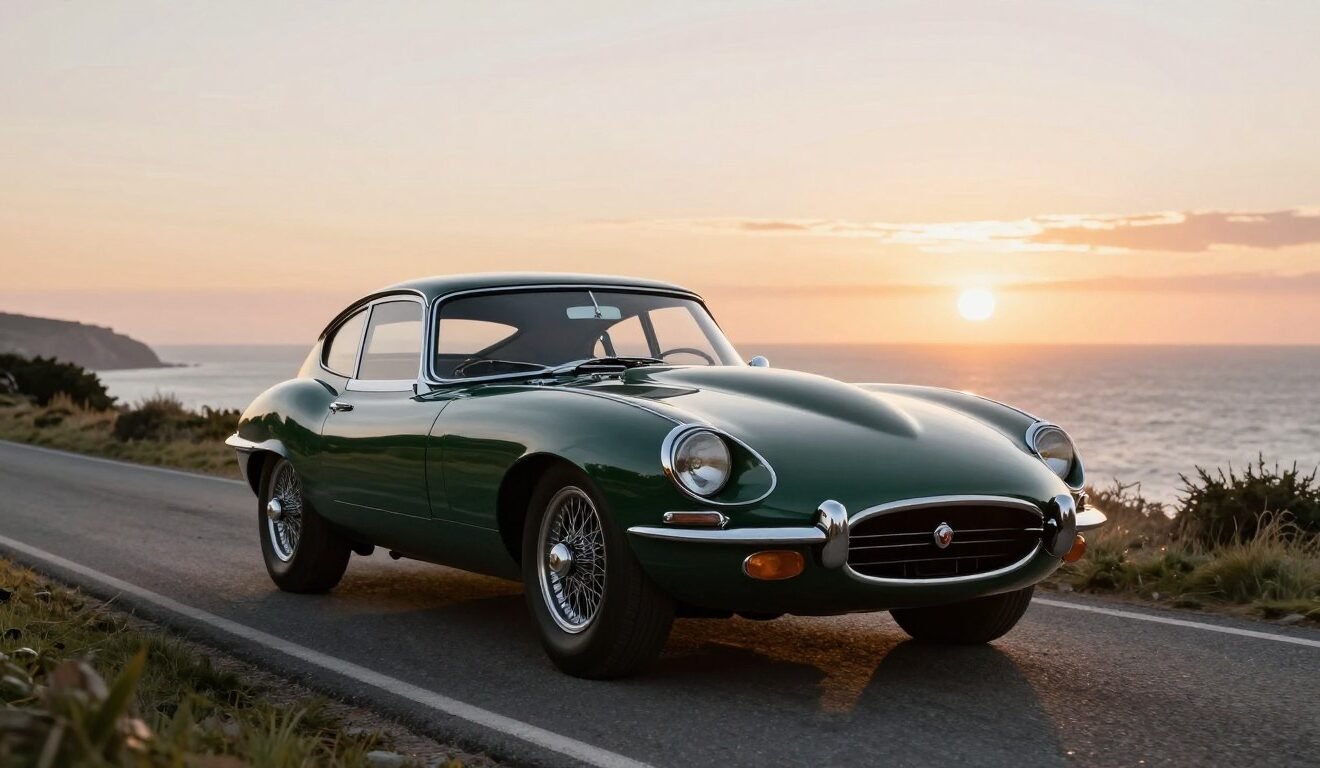
- 1961 Jaguar E-Type: The Shape of Speed (Design Icon, Racing Roots, and What Collectors Should Know)
- The Birth of an Icon: Automotive Revolution
- The 1961 Jaguar E-Type: Design Revolution Unleashed
- Racing DNA: The C-Type and D-Type Lineage
- Engineering Brilliance: Under the Stunning Bodywork
- The Heart of the Beast: XK Engine Performance
- Quick Specs: The Series 1 E-Type at a Glance
- The Driving Experience: Why the E-Type Felt Revolutionary
- Series 1 E-Type: A Guide to Identification
- Body Styles and Variants
- Collector's Corner: Rust and Structural Concerns
- Mechanical Considerations for Collectors
- Originality vs. Restoration: The Collector's Dilemma
- Market Guide: Valuation and Investment Pote
- Ownership Experience: Living With an E-Type
- Conclusion: The Enduring Legacy of the E-Type
- FAQ
- What makes the 1961 Jaguar E-Type a design icon?
- What is the significance of the E-Type's racing heritage?
- What are the key engineering innovations of the E-Type?
- What are the specifications of the XK engine in the Series 1 E-Type?
- How do I identify a Series 1 E-Type?
- What are the common rust and structural concerns for E-Type collectors?
- What mechanical considerations should E-Type collectors be aware of?
- How do I decide between maintaining originality and restoring or modifying my E-Type?
- What are the current market trends for E-Types?
- What are the practical considerations for E-Type ownership?
- What is the significance of the E-Type's legacy?
1961 Jaguar E-Type: The Shape of Speed (Design Icon, Racing Roots, and What Collectors Should Know)#
The 1961 Jaguar E-Type was a game-changer in sports cars. It had a sleek design and was fast. It was unveiled at the 1961 Geneva Motor Show, making a big splash with its looks and speed.

This design icon wowed people with its sleek lines and strong build. It was fast and affordable, setting a new standard for sports cars. The E-Type Series 1 mixed luxury with value, making it a standout.
Key Takeaways#
- The 1961 Jaguar E-Type was a groundbreaking sports car that redefined performance and design.
- Its launch at the Geneva Motor Show in 1961 generated significant buzz.
- The E-Type Series 1 is prized for its sleek design and racing heritage.
- Collectors value the E-Type for its historical significance and performance capabilities.
- Owning a 1961 Jaguar E-Type requires understanding its unique characteristics and market value.
The Birth of an Icon: Automotive Revolution#
At the 1961 Geneva Motor Show, Jaguar unveiled the E-Type. This car would change how we think about performance and design. It marked the start of a new era in cars.
A Sensation at the Geneva Motor Show#
The E-Type’s launch was a huge hit. Car journalists and fans loved its sleek look and promising performance. Its success came from:
- A sleek, aerodynamic body designed by Malcolm Sayer
- A powerful 3.8-liter inline-six engine
- Innovative monocoque construction for improved strength and reduced weight

Early-1960s Automotive Context#
The early 1960s were a big change for cars. Car makers were exploring new designs, performance, and tech. The E-Type was a key part of this, showing the era’s spirit of innovation and competition. Some key trends included:
- The rise of grand touring cars with an emphasis on style and performance
- Advancements in engine technology, including more efficient and powerful engines
- A growing interest in motorsports, with events like Le Mans influencing car design
The Jaguar E-Type’s impact was huge. It combined these trends in a way that amazed the car world and left a lasting legacy.
The 1961 Jaguar E-Type: Design Revolution Unleashed#
Malcolm Sayer’s work in aerodynamics was key in designing the E-Type. His expertise made the car look sleek and powerful.
Malcolm Sayer’s Aerodynamic Influence#
Sayer came from Bristol Aircraft, where he learned a lot about aerodynamics. His knowledge was vital for the E-Type’s design. He made sure the car looked great and moved well.
Aerodynamic principles were at the heart of the E-Type’s design. This made the car fast and beautiful. Its iconic silhouette is thanks to its long hood and smooth lines.

The Iconic Silhouette: Long Hood, Flowing Lines#
The E-Type’s design is famous for its elegant lines and shape. The long hood adds to its dynamic look. The curves make it seem like it’s moving, even when it’s not.
| Design Element | Description | Influence |
|---|---|---|
| Long Hood | Extended front section | Aerodynamic efficiency |
| Flowing Lines | Smooth, curved bodywork | Visual appeal and aerodynamics |
| Aerodynamic Shape | Streamlined profile | Reduced air resistance |
The E-Type’s design was a mix of style and technology. It was not just about looks. It was also about being fast and efficient.
Racing DNA: The C-Type and D-Type Lineage#
The E-Type was born from the DNA of the C-Type and D-Type, legends at Le Mans. It brought racing tech to the road. The E-Type’s design and engineering were influenced by Jaguar’s C-Type and D-Type racing cars.

Le Mans Success and Its Influence#
The C-Type and D-Type were key to Jaguar’s Le Mans wins. The C-Type won in 1951 and 1953. The D-Type won from 1955 to 1957. These victories boosted Jaguar’s reputation and drove innovation.
Technologies from the track were adapted for road cars. The E-Type benefited from this, with advanced features like disc brakes and a robust engine.
From Track to Street: Racing Technology Transfer#
The E-Type’s success was due to technology transfer from Jaguar’s racing cars. Key technologies included:
- Advanced aerodynamics: The E-Type’s sleek design was influenced by the C-Type and D-Type’s aerodynamic improvements.
- Disc brakes: Introduced on the C-Type, disc brakes became a standard feature on the E-Type, improving its braking.
- Engine development: The E-Type’s XK engine was a development of the engine used in the C-Type and D-Type, known for its power and reliability.
The E-Type’s racing DNA, inherited from the C-Type and D-Type, played a big role in its performance and appeal. It’s a sought-after car among enthusiasts and collectors.
Engineering Brilliance: Under the Stunning Bodywork#
The 1961 Jaguar E-Type is more than just a pretty face. It’s a masterpiece of engineering. Its design aimed to create a strong, fast, and reliable car.

Monocoque Construction and Subframes#
The E-Type’s body is built on a monocoque chassis. This design is strong, yet light. It’s supported by subframes for the engine and suspension, making the car even more solid.
This choice of chassis helped the E-Type handle better. It made the car stable and easy to steer.
Suspension Innovation for the Era#
The E-Type’s suspension was a big deal back then. It had independent front suspension and a live axle in the back. This mix of parts made the car smooth to drive but also fun to push hard.
Braking Technology: Discs All Around#
The E-Type was ahead of its time with its brakes. It had disc brakes on all four wheels. This was a big step up from drum brakes, giving the car better stopping power.
| Feature | Description | Benefit |
|---|---|---|
| Monocoque Construction | Advanced chassis design minimizing weight while maximizing strength | Improved handling and stability |
| Independent Front Suspension | Coil springs and anti-roll bar for enhanced control | Better ride quality and cornering capability |
| Disc Brakes | All-round disc braking system | Enhanced stopping power and safety |
The E-Type’s success comes from its monocoque construction, advanced suspension, and disc brakes. These features show Jaguar’s commitment to engineering excellence.
The Heart of the Beast: XK Engine Performance#
Jaguar’s XK inline-six engine was key to the E-Type’s success. It started with a 3.8-liter size, showing Jaguar’s skill in engineering. This engine helped make the E-Type a legend in performance.

The 3.8-Liter Inline-Six: Specifications and Output#
The 3.8-liter XK engine was known for its strength and power. It had a 265 horsepower output, giving the E-Type fast acceleration and high speeds. Its inline-six design made it smooth to drive, perfect for both speed and comfort.
Carburetion and Tuning#
The E-Type’s XK engine used twin SU carburetors for the best performance. This system balanced power and ease of driving, making the E-Type great for racing and daily use. Tuning this engine needed a deep understanding of its workings, leading to a special bond between owners and mechanics.
The XK engine, combined with the E-Type’s light body and sleek design, made it a joy to drive. The XK engine’s performance and the E-Type’s overall feel made it a favorite among car lovers and collectors.
Quick Specs: The Series 1 E-Type at a Glance#
The Series 1 E-Type is a marvel from the 1960s. It had specs that were ahead of its time. Here’s a quick look at its key features.
Engine and Drivetrain#
The E-Type has a 3.8-liter inline-six engine that makes 265 horsepower. It comes with a 4-speed manual gearbox for a thrilling drive. The drivetrain ensures smooth power and quick acceleration.
Chassis and Body Configurations#
The E-Type has a monocoque chassis for great strength and stability. It comes in various styles, like the OTS roadster and FHC coupe. This meets different driving needs.
Performance Figures#
The Series 1 E-Type is fast, reaching a top speed of around 150 mph. It goes from 0 to 60 mph in 6.4 seconds. These numbers show it was a top sports car back then.

In summary, the Series 1 E-Type’s specs show its engineering and driving excellence. It’s a classic car that many car lovers want.
The Driving Experience: Why the E-Type Felt Revolutionary#
The E-Type changed the game with its driving experience. It mixed ride quality, handling, and braking in a way no one had seen before. This was thanks to its advanced engineering and design.
Ride and Handling Balance#
The E-Type’s ride and handling were key to its groundbreaking feel. It had a suspension system that was both comfortable and agile. This made it great for both winding roads and long drives.
- Advanced suspension design allowed for precise handling.
- Comfortable ride quality made long trips enjoyable.
Braking Confidence#
The E-Type was also known for its braking. It had disc brakes all around, giving it top-notch stopping power. This gave drivers the confidence to drive harder, knowing they could stop safely.
- Disc brakes all around for improved stopping power.
- Enhanced driver confidence through reliable braking performance.
High-Speed Stability and Grand Touring Capability#
The E-Type was stable at high speeds, making it perfect for long trips. Its design and engineering kept it steady, even at fast speeds. This made it a true grand tourer.
The E-Type’s mix of comfort, agility, braking, and stability made it a game-changer. It raised the bar for driving and is celebrated for its performance and experience.
Series 1 E-Type: A Guide to Identification#
To spot a Series 1 E-Type, knowing the updates and changes is key. Made from 1961 to 1967, this classic car is highly prized. Identifying it needs a deep dive into its history.
Early Production Features (1961-1964)#
The early Series 1 E-Types stand out with unique features. Two key ones are:
- Flat Floors: Early models had flat floors, a feature that was later changed.
- External Bonnet Latches: The bonnet latches were initially external, providing a unique aesthetic.
Flat Floors and External Bonnet Latches#
The flat floor design was a hallmark of the early E-Types, contributing to their sleek interior profile. External bonnet latches were also a defining feature, adding to the car’s visual appeal.
Dashboard and Switchgear#
The dashboard and switchgear in early Series 1 E-Types were designed with functionality in mind. The layout was straightforward, with key instruments and controls within easy reach of the driver.
Mid-Series 1 Updates (1964-1967)#
As production progressed, several updates were made to the Series 1 E-Type. These changes improved performance, comfort, and overall driving experience.
The 4.2-Liter Engine Introduction#
In 1964, Jaguar introduced the 4.2-liter engine, replacing the earlier 3.8-liter unit. This change brought about increased torque and improved drivability.
Interior and Comfort Improvements#
The interior also saw significant improvements, with enhanced comfort features and refined materials used in the cabin.
Series 1.5 Transitional Models#
The Series 1.5 E-Types represent a transitional phase, incorporating some features from both the Series 1 and later models. Identifying these models requires a keen eye for detail, as they blend characteristics from different production periods.
Key features of Series 1.5 models include updates to the engine, suspension, and interior trim. These changes positioned the E-Type for its continued success in the market.
Body Styles and Variants#
The E-Type came out in many body styles, showing off its innovative design. These styles were key to the E-Type’s charm. They let buyers pick a car that matched their driving style and taste.
OTS Roadster: The Quintessential E-Type#
The Open Two-Seater (OTS) Roadster is the most famous E-Type. Its simple design, with a soft-top roof, highlighted its sporty nature. It was made for those who loved driving with the wind in their hair.
FHC Coupe: The Grand Tourer#
The Fixed Head Coupe (FHC) offered a more luxurious and closed-in drive. Its sleek body not only looked great but also cut through the air better. It was perfect for those who wanted a stylish, high-performance car for long trips.
Rare Special Editions#
Jaguar also made special editions of the E-Type. These rare cars had unique looks, fancy interiors, or better performance. They are highly sought after by collectors for their rarity and special features.
| Body Style | Key Features | Collector Appeal |
|---|---|---|
| OTS Roadster | Soft-top roof, minimalist design | High |
| FHC Coupe | Fixed head, sleek coupe bodywork | High |
| Special Editions | Unique styling, upgraded interiors | Very High |
The E-Type’s wide range of styles and variants shows its flexibility and lasting charm. Whether open or closed, the E-Type is a true car legend.
Collector’s Corner: Rust and Structural Concerns#
Rust and structural integrity are key for collectors to look at when checking a 1961 Jaguar E-Type. The car’s value and how well it runs can be greatly affected by rust and structural problems.
Critical Inspection Areas: Sills, Floors, and Frames#
When checking a 1961 Jaguar E-Type, collectors should really look at areas that rust easily, like the sills, floors, and frames. These parts are very important for the car’s strength and can be very expensive to fix if they’re damaged.
| Inspection Area | Common Issues | Repair Complexity |
|---|---|---|
| Sills | Rust perforation | High |
| Floors | Rust damage | Medium |
| Frames | Rust weakening | High |
Bonnet and Panel Fit Issues#
The 1961 Jaguar E-Type’s bonnet and panels are not just pretty; they show the car’s condition. If the panels don’t fit right or are rusted, it can lower the car’s value and performance.
“A well-fitted bonnet and panels are essential to the E-Type’s aerodynamic performance and visual appeal.”
Restoration Challenges and Costs#
Fixing up a 1961 Jaguar E-Type can be hard and expensive, mainly if there’s rust and structural problems. Collectors need to be ready for big costs when fixing these classic cars.
Restoration Costs: Fixing a 1961 Jaguar E-Type can cost between $20,000 and over $100,000, based on how much work is needed.
Mechanical Considerations for Collectors#
Collectors of 1961 Jaguar E-Types need to know about mechanical issues. These can affect the car’s performance and lifespan. Regular maintenance and occasional part replacement are key to keeping the car in top shape.
Cooling System Challenges and Solutions#
The cooling system of the 1961 Jaguar E-Type is vital. Overheating can damage the engine. So, it’s important to check the radiator, hoses, and water pump often.
Replacing old parts with new ones helps the system work better. You can use modern parts or restore the original ones.
Modernizing the cooling system can make it more reliable. Consider using an electric water pump or a better radiator. Also, mix antifreeze and water made for classic cars to prevent corrosion.
Electrical and Wiring Vulnerabilities#
The E-Type’s electrical system is another concern. Old wiring can cause shorts and other problems. It’s wise to check the wiring and replace any damaged parts.
Upgrading to modern electrical parts, like LED lights or a new alternator, can help. Keep spare parts for critical electrical components to keep the car running.
Drivetrain Maintenance and Reliability#
The drivetrain, including the gearbox and rear axle, needs regular care. Check the oil and lubricant often and replace them when needed. Also, look for wear on the clutch and universal joints to avoid breakdowns.
Collectors must balance keeping the car original with making it reliable. Using modern materials for parts can improve durability without losing the car’s classic feel.
Originality vs. Restoration: The Collector’s Dilemma#
Collectors of the 1961 Jaguar E-Type face a tough choice. They must decide between keeping the car as is or restoring it. This choice greatly affects the car’s value and authenticity.
Numbers-Matching Components#
Keeping the car’s original parts is key. These parts should have the same serial numbers as when the car was new. This is vital for collectors, as it proves the car’s true nature and boosts its worth.
A numbers-matching engine is highly sought after. For example, a Series 1 E-Type with its original engine can fetch a high price at auction. But, checking the engine’s serial number needs careful documentation and inspection.
Acceptable Modifications for Drivability#
While keeping the car original is important, some changes are okay. Upgrading the braking system or tweaking the suspension can make the car better to drive. These changes don’t ruin the car’s original feel.
| Modification | Benefit | Impact on Originality |
|---|---|---|
| Upgraded Braking System | Improved Safety | Minimal |
| Suspension Modification | Enhanced Handling | Moderate |
| Engine Tuning | Increased Performance | Significant |
Documentation and Provenance#
Whether a collector chooses to keep the car original or restore it, documentation and provenance are critical. Keeping detailed records of the car’s history can greatly increase its value and authenticity.
By weighing the importance of originality against restoration, collectors can make smart choices. These choices help preserve the unique charm and value of their 1961 Jaguar E-Type.
Market Guide: Valuation and Investment Pote#
For collectors and investors, knowing the E-Type’s value is key. The 1961 Jaguar E-Type’s worth changes based on its condition, rarity, and history.
Price Trends for Series 1 E-Types#
The value of Series 1 E-Types has gone up over time. This is because they are rare and have a rich history. Restored models in top shape get the highest prices.
| Condition Grade | Price Range |
|---|---|
| Excellent | $100,000 – $150,000 |
| Good | $70,000 – $100,000 |
| Fair | $40,000 – $70,000 |
Condition Grades and Their Impact#
The E-Type’s condition greatly affects its value. Original parts and restoration quality are key in setting its price.
Auction Results and Notable Sales#
Recent auctions show a high demand for E-Types. This demand is reflected in their prices.
A rare Series 1 E-Type sold for $120,000 at an auction. This sale shows the model’s lasting appeal.
Ownership Experience: Living With an E-Type#
Driving a 1961 Jaguar E-Type is thrilling but comes with upkeep challenges. Many owners find the joys of driving a classic car worth the effort. It’s important to know what to expect.
Practical Considerations#
Regular maintenance is key for E-Type owners. Parts may need to be fixed or replaced, and the engine must be tuned regularly. Be ready for mechanical issues like cooling system or electrical problems.
Specialist Support Network#
There’s a strong support network for E-Type owners. Many garages and mechanics specialize in classic Jaguars. They offer expert advice and repair services, helping new owners and those needing guidance.
Club Membership Benefits#
Joining a Jaguar E-Type club offers many benefits. Clubs provide access to specialist knowledge, technical advice, and networking. They also host events and outings, where owners can show off their cars and meet others.
| Club Membership Benefits | Description |
|---|---|
| Specialist Knowledge | Access to expert advice on maintaining and restoring your E-Type |
| Networking Opportunities | Meet and connect with other E-Type enthusiasts |
| Events and Outings | Participate in organized events and show off your car |
Understanding the practical aspects and using the support network and club benefits can make owning an E-Type rewarding. Owners can fully enjoy their classic car.
Conclusion: The Enduring Legacy of the E-Type#
The 1961 Jaguar E-Type has made a lasting impact on cars. Its design changed how sports cars look. It also showed what a car could do on the road and track.
Malcolm Sayer’s design made the E-Type stand out. Its look has inspired many car lovers and designers. The E-Type’s influence on Jaguar and the car world is huge. It’s a prized collector’s item and a symbol of style and power.
The E-Type’s influence goes beyond its own time. It shows the value of new designs, great performance, and fun driving. As a classic, the E-Type keeps drawing people in. Its legacy ensures it’s remembered in car history.