




1963 Apollo 3500 GT: The American V8–Powered Italian-Designed Grand Tourer
1963 Apollo 3500 GT: The American V8–Powered Italian-Designed Grand Tourer In the early 1960s, Milt Brown, an American engineer, and Frank Reisner, a Hungarian-Canadian entrepreneur,...
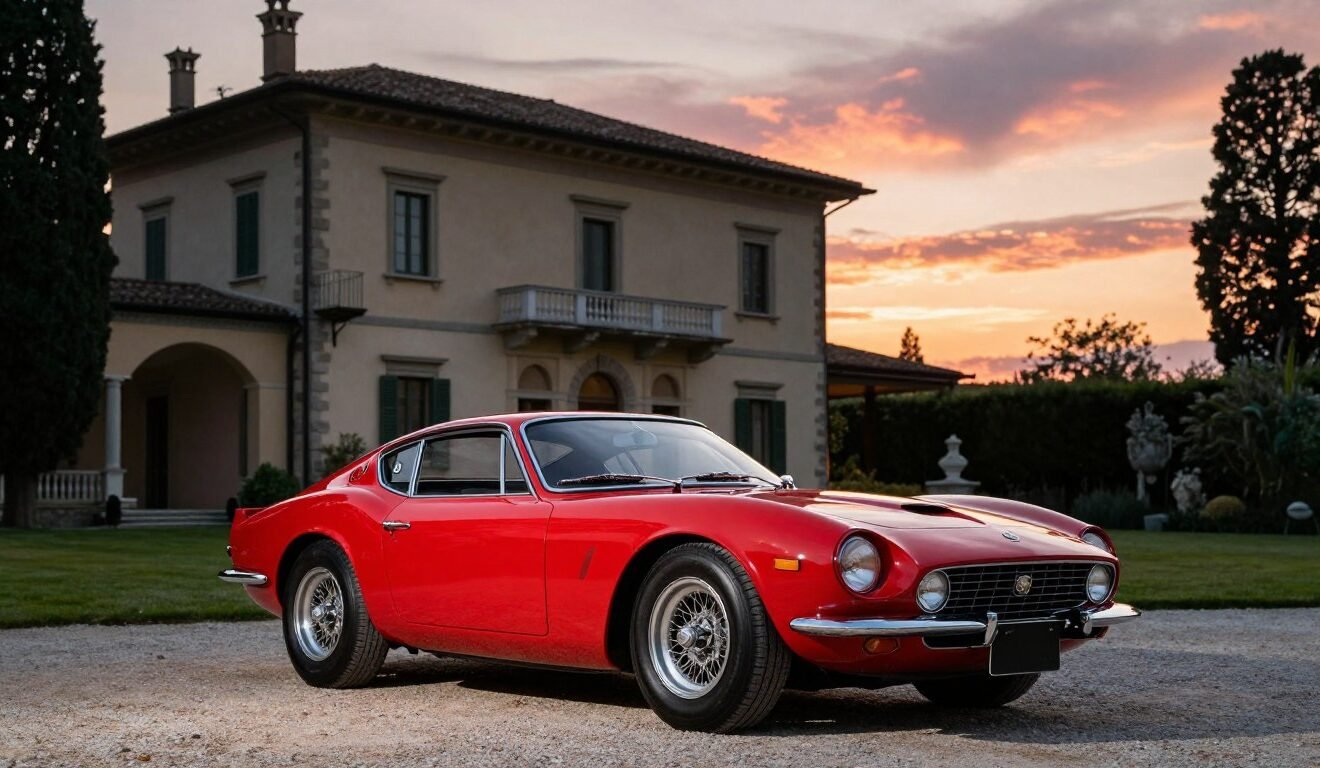
- 1963 Apollo 3500 GT: The American V8–Powered Italian-Designed Grand Tourer
- The Birth of Apollo Automobili: A Transatlantic Vision
- The Apollo 3500 GT: American Muscle Meets Italian Elegance
- Performance and Road Presence
- Production Challenges and Business Realities
- Legacy of the Apollo 3500 GT
- FAQ
- What inspired the creation of the 1963 Apollo 3500 GT?
- What made the Apollo 3500 GT unique?
- How was the Apollo 3500 GT produced?
- What were the performance capabilities of the Apollo 3500 GT?
- How did the Apollo 3500 GT compare to its European rivals?
- Why did Apollo Automobili cease production?
- How many Apollo 3500 GTs were produced?
- What is the legacy of the Apollo 3500 GT?
1963 Apollo 3500 GT: The American V8–Powered Italian-Designed Grand Tourer#
In the early 1960s, Milt Brown, an American engineer, and Frank Reisner, a Hungarian-Canadian entrepreneur, teamed up. They created the 1963 Apollo 3500 GT. This grand tourer aimed to take on Europe’s best.
This transatlantic sports car mixed Italian design with an American V8 engine. The engine came from Buick.

The Apollo 3500 GT was a true American Italian GT. It had an Italian body, made by Intermeccanica in Italy. Then, it was sent to the United States for its powerful V8 engine.
Key Takeaways#
- The 1963 Apollo 3500 GT was a collaboration between American and Italian automotive expertise.
- It featured a Buick-derived V8 engine, combining American power with Italian design.
- The car’s body and chassis were built in Italy by Intermeccanica.
- The Apollo 3500 GT was conceived to rival Europe’s top grand tourers.
- It represented a unique blend of luxury, performance, and exoticism in the grand tourer market.
The Birth of Apollo Automobili: A Transatlantic Vision#
The story of Apollo Automobili starts at the 1960 Monaco Grand Prix. Milt Brown, an American engineer, met Frank Reisner, an Austrian entrepreneur. They shared a passion for sports cars.

Milt Brown’s American Dream#
Milt Brown wanted to make an American sports car that could compete with Aston Martin, Maserati, and Ferrari. He aimed to mix American power with European style. Brown wanted to create a grand tourer that captured the 1960s spirit of innovation.
Frank Reisner and the European Connection#
Frank Reisner, from Intermeccanica in Turin, Italy, brought European know-how. His experience in coachbuilding and Italian connections were key. Together, they made a car that was both luxurious and strong.
The Business Model: Challenging the Established Marques#
Apollo Automobili’s business model was groundbreaking. They built car bodies in Italy and shipped them to the U.S. for American V8 engines. This way, they offered something unique, blending Italian design with American power.
The partnership between Brown and Reisner created a remarkable car. It was a bold move into the grand tourer world. Their collaboration made Apollo a major player in the 1960s.
The Apollo 3500 GT: American Muscle Meets Italian Elegance#
The Apollo 3500 GT was a special mix of Italian style and American muscle. It was a grand tourer that looked great and performed well. This mix made it a standout car.

Italian Coachbuilding Influences#
The Apollo 3500 GT’s body showed off Italy’s famous coachbuilding tradition. Franco Scaglione refined Ron Plescia’s design. The car had smooth curves and a fastback look, like the top Italian grand tourers.
Touring Superleggera Design Elements#
The Apollo 3500 GT had design touches from Touring Superleggera. This famous Italian coachbuilder was known for its light and elegant designs. These features made the car look good and drive well.
Interior Craftsmanship and Luxury#
The inside of the Apollo 3500 GT was made with top materials and care. It showed off luxury in the grand tourer class. The car had premium leather, wood, and metal, making it feel luxurious.
Buick V8 Power: The American Heart#
The Apollo 3500 GT had a Buick V8 engine at its core. This engine was known for being light and powerful. It gave the car strong speed and a fun drive.
Engine Specifications and Modifications#
The Buick V8 in the Apollo 3500 GT was known for its strong performance. Some owners made changes to make it even more powerful.
Transmission and Drivetrain#
The Apollo 3500 GT had a manual transmission and rear-wheel drive. This setup worked well with the V8 engine. It made the car fast and fun to drive.
Chassis and Suspension Architecture#
Milt Brown designed the Apollo 3500 GT’s chassis. It was a tubular structure that was strong yet light. This design, with a coil-sprung suspension, made the car handle well.
The Apollo 3500 GT was a unique blend of Italian design and American power. It was both stylish and powerful. Its design, power, and handling made it a top choice in its class.
Performance and Road Presence#
The Apollo 3500 GT had a powerful Buick V8 engine and sleek Italian design. It was ready to take on the top European grand tourers of the 1960s. Its mix of American power and Italian flair made it a standout car, both in looks and performance.
Acceleration and Top Speed Figures#
The Apollo 3500 GT could hit 130 mph and go from 0-60 in 8.4 seconds. Its 190 horsepower Buick V8 engine made it a strong competitor among grand tourers.

Handling Characteristics#
The Apollo 3500 GT was known for its excellent handling. It had a balanced chassis and suspension for a smooth ride and responsive steering. This made it fun to drive on any road.
Competing Against Ferrari and Maserati#
Compared to Ferrari and Maserati, the Apollo 3500 GT was a strong contender. It offered great performance and style. For more on classic cars like the Apollo 3500 GT, check out Ride Icons.
Price Comparison with European Rivals#
The Apollo 3500 GT was also more affordable than its rivals. It was priced lower than Ferrari and Maserati. This made it a great choice for those wanting a high-performance car without the high cost.
Performance Benchmarks#
The Apollo 3500 GT was a top performer for its time. It combined high speed with agile handling. This made it perfect for both long trips and quick drives.
Production Challenges and Business Realities#
Making the Apollo 3500 GT was tough from the start. Apollo Automobili faced many problems that led to its downfall.
Limited Production Numbers and Variants#
Apollo Automobili made only 88 cars before stopping. They couldn’t make more because of money issues and other problems. Not having enough money stopped them from making more cars.
Transatlantic Manufacturing Complexities#
Being based on both sides of the Atlantic made things harder. The bodies were made in Italy and then sent to the U.S. for finishing. This was expensive and hard to manage.
“The complexity of shipping Italian-made bodies to the U.S. for assembly was a major hurdle.”

The Decline and End of Apollo Automobili#
Too few cars, shipping issues, and money problems led to Apollo’s decline. By the mid-1960s, they stopped making cars. They couldn’t solve these problems and failed to last long.
Legacy of the Apollo 3500 GT#
The Apollo 3500 GT shows the innovative spirit of its makers. They mixed American and Italian car traditions. It’s a rare, exotic grand tourer, loved by classic sports car fans.
This car’s legacy is tied to its grand tourer roots. It was a bold move in the early 1960s. Its style, performance, and history have won over classic car collectors.
Even though Apollo Automobili produced few cars, its mark on grand tourers is big. The Apollo 3500 GT is a key part of car history. It shows what luxury and performance meant back then, keeping collectors’ interest alive.