



1963 Porsche 911
1963 Porsche 911: The Flat-Six Legend Begins (Early History, Engineering DNA, and Collector Notes)1963 Porsche 911 The iconic sports car that would become a legend...
- 1963 Porsche 911: The Flat-Six Legend Begins (Early History, Engineering DNA, and Collector Notes)1963 Porsche 911
- The Dawn of a Legend
- The 1963 Porsche 911 Debut
- The Porsche 901 Controversy
- Design Philosophy and Aesthetics
- Technical Specifications of the 1963 Porsche 911
- The Revolutionary Flat-Six Engine
- Chassis and Suspension Dynamics
- Interior Design and Driver Experience
- The 1963 Porsche 911 Compared to Contemporaries
- Early Production Variations
- Collector's Guide to Early 911s
- Restoration Realities
- Market Values and Investment Opportunity
- The 911 Legacy: From 1963 to Modern Day
- Conclusion: The Enduring Impact of the 1963 Porsche 911
- FAQ
- What was the original name of the 1963 Porsche 911?
- Why was the Porsche 901 renamed to 911?
- What was significant about the 1963 Frankfurt Motor Show?
- What engine configuration does the 1963 Porsche 911 have?
- What are some of the handling characteristics associated with the rear-engine layout of the 911?
- How did the 911 compare to its contemporaries like the Jaguar E-Type and Chevrolet Corvette?
- What are some critical issues to consider when buying an early 911?
- What factors influence the market value of early 911s?
- How has the 911 evolved over the generations?
- What is the significance of the 1963 Porsche 911's legacy?
1963 Porsche 911: The Flat-Six Legend Begins (Early History, Engineering DNA, and Collector Notes)1963 Porsche 911#
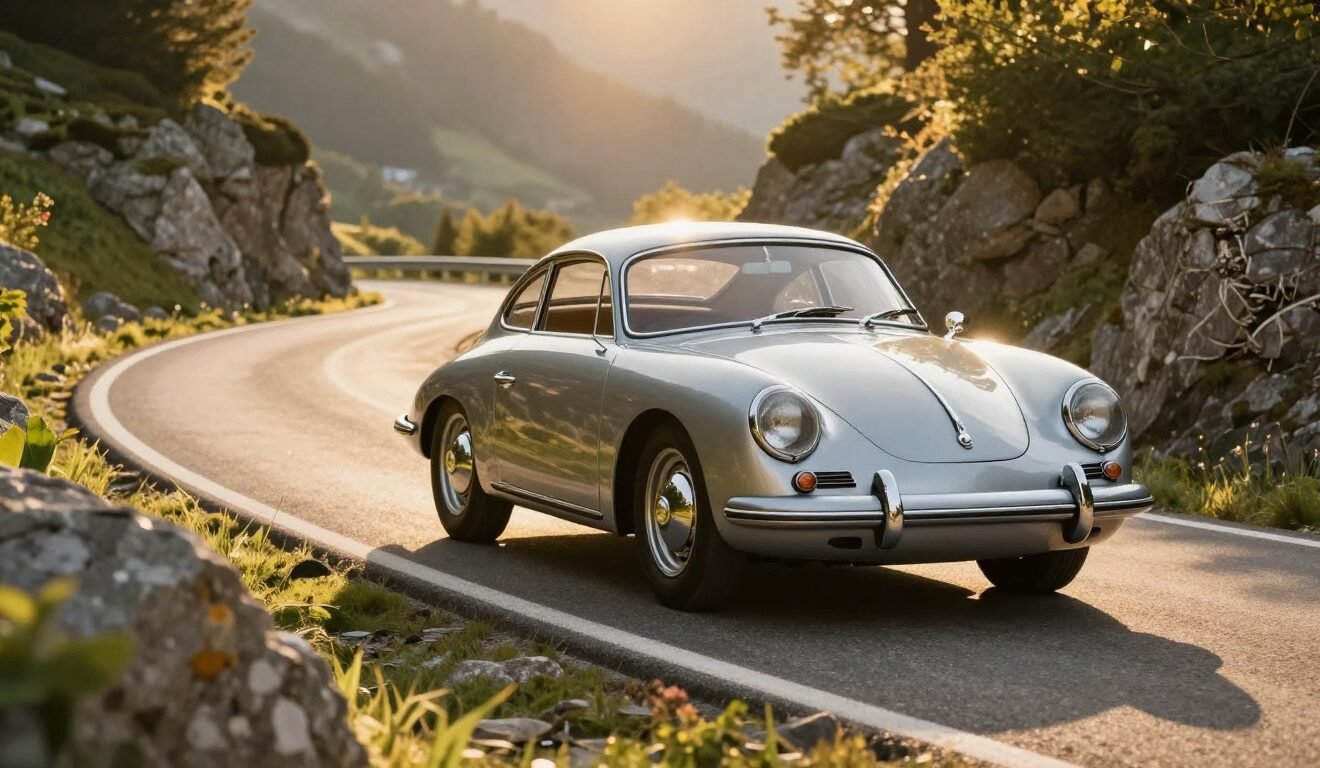
The iconic sports car that would become a legend was first shown at the 1963 Frankfurt Motor Show. It was created to replace the Porsche 356. The first Porsche 911 had a more powerful flat-six engine. This set the stage for a line of high-performance cars.

This flat-six legend showed off Porsche’s design DNA. It was a big step in sports car evolution. Its compact design and rear-engine layout paved the way for future models.
Key Takeaways#
- The 1963 Porsche 911 marked the beginning of a legendary lineage.
- It introduced a more powerful flat-six engine compared to its predecessor.
- The 911’s design reflected Porsche’s engineering prowess.
- The model’s compact design and rear-engine configuration set it apart.
- The 911’s introduction signaled a new era for Porsche.
The Dawn of a Legend#
In the early 1960s, Porsche was ready to start a new chapter. They needed to move beyond the 356. Sports cars were becoming more popular, attracting fans and collectors.
Automotive Landscape of the Early 1960s#
The early 1960s saw a big rise in sports car popularity. Car makers were racing to create stylish, fast cars. Porsche, known for sleek designs and strong engines, was leading the way. The 356 was nearing its end, so a new model was needed.
Automotive historians say the early 1960s were key for sports cars.
“the market demanded more sophisticated and high-performance vehicles”
. Porsche answered with the 911, a model that would change the game.
From 356 to 911: The Evolution of Porsche’s Vision#
The move from the 356 to the 911 was more than just a new model. It was a step forward for Porsche’s sports car vision. The 911 brought new design and performance features. It had a more powerful engine and better handling than the 356.
| Feature | Porsche 356 | Porsche 911 |
|---|---|---|
| Engine Type | Air-cooled Flat-Four | Air-cooled Flat-Six |
| Power Output | Up to 130 hp | Up to 180 hp |
| Top Speed | Approximately 120 mph | Approximately 140 mph |
For more on classic cars that are loved today, check out Ride Icons. They have timeless icons to explore.

The 1963 Porsche 911 Debut#
At the 1963 Frankfurt Motor Show, Porsche unveiled the 901, a car that would later become the iconic 911. This event was a significant milestone in the history of Porsche. It marked the introduction of a model that would go on to become one of the most revered sports cars of all time.

Frankfurt Motor Show Revelation#
The Frankfurt Motor Show was the perfect platform for Porsche to launch the 901. It showcased its innovative design and engineering to a global audience. The 901 was the culmination of Porsche’s efforts to create a successor to the 356. It embodied the company’s vision for the future of sports cars.
The car’s design and performance capabilities were met with great interest. This set the stage for its production and eventual success in the market.
From Concept to Production Reality#
The journey from concept to production reality of the 901 was complex. It involved significant design and engineering efforts. Porsche faced challenges, including a trademark dispute with Peugeot over the use of the name “901.”
The dispute led to a change in the model’s designation from 901 to 911. This decision was made relatively quickly to ensure the car’s market readiness.
Clarifying the Timeline: Reveal vs. First Deliveries#
It’s essential to clarify that while the 901 was unveiled at the 1963 Frankfurt Motor Show, the first deliveries of what was now called the 911 occurred later. The change in naming due to the trademark issue caused a delay. But it did not deter from the model’s success.
“The 911’s introduction was a defining moment for Porsche, marking the beginning of a new era in sports car manufacturing.”
The 911 went on to become an iconic symbol of performance and design. Its debut was a critical step in its enduring legacy.
The Porsche 901 Controversy#
The 1963 Porsche 911’s naming controversy started with a trademark fight. This fight would alter the future of cars.
Peugeot’s Trademark Claim#
Peugeot owned the rights to car names with three numbers and a zero in the middle in France. This meant Porsche couldn’t use the name 901 in France. Stefan Kniepkamp, from Porsche’s sales team, remembered the challenge of renaming the car quickly.

The Birth of the “911” Designation#
The renaming was fast, with the 911 name chosen for production. This change fixed the trademark problem with Peugeot. It also made the 911 name famous for its performance and style.
“The 911 name became an integral part of Porsche’s identity.”
| Model | Initial Production Run | Renaming Reason |
|---|---|---|
| Porsche 901 | 82 units | Peugeot’s trademark claim |
| Porsche 911 | Production continued | Trademark issue resolution |
Design Philosophy and Aesthetics#
Ferdinand “Butzi” Porsche’s vision for the 911 was groundbreaking. The 1963 Porsche 911’s launch was more than a new car model. It was the start of a design language that shaped sports cars for years to come.

Ferdinand “Butzi” Porsche’s Vision#
Ferdinand “Butzi” Porsche, the grandson of Ferdinand Porsche, was key in the 911’s design. He aimed for a car that looked great and was also aerodynamically efficient. The result was a car that performed well and had a unique look, becoming a symbol of the Porsche brand.
The Timeless Silhouette#
The 911’s silhouette is iconic in car design. Its design, from the sloping hood to the rear engine cover, created a unique identity. The timeless 911 shape has set the standard for sports car design, inspiring many others.
Design Elements That Defined the 911 Identity#
The 911’s identity was shaped by several design elements. Its fastback profile, rounded fender lines, and rear engine design are distinctive. These features, along with a focus on aerodynamics, made the car visually appealing and perform well. The early 911 models also had simple interiors, focusing on the driver and minimal decoration.
The early 911 models had carefully chosen wheel and tire sizes. These sizes helped balance the car’s performance and looks. The original specs made the car agile and responsive, traits that the 911 has kept over the years.
Technical Specifications of the 1963 Porsche 911#
The 1963 Porsche 911 was a groundbreaking sports car. It had key technical features that made it legendary.
Quick Specs Overview#
The 1963 Porsche 911 had a 2.0-liter flat-six engine. This engine was a marvel of engineering at the time.
Flat-Six Layout, Rear-Engine/RWD, Coupe Body#
The flat-six layout gave the car unique handling and performance. It had a rear-engine and rear-wheel drive (RWD). The coupe body style improved its aerodynamics.
| Specification | Detail |
|---|---|
| Engine Layout | Flat-Six |
| Engine Capacity | 2.0 liters |
| Drive Type | Rear-Wheel Drive (RWD) |
| Body Style | Coupe |
| Transmission | 5-Speed Manual |
Performance Metrics#
The 1963 Porsche 911’s performance was impressive. It had a 5-speed manual transmission. This allowed drivers to fully use the car’s power.
Weight Class and Transmission Type#
The 911’s weight and power made it a strong competitor. The 5-speed manual gearbox gave drivers control over speed.

The Revolutionary Flat-Six Engine#
The flat-six engine in the 1963 Porsche 911 changed car engineering. It had a unique design and great performance. This engine was a big step forward, with smoothness and packaging advantages that made the 911 stand out.
Engineering Marvel: The Air-Cooled Boxer Design#
The air-cooled boxer design of the flat-six engine was a big deal back then. It made the car handle better and stay stable. The air-cooled system fit the 911’s design well, avoiding the need for a big radiator.
Smoothness and Packaging Advantages#
The flat-six engine had many benefits, including:
- Smooth operation thanks to the boxer design
- Compact size for better space use
- Less vibration for a smoother ride
For more on engine designs, check out Ride Icons. They explore the powerplants of exotic cars.
Performance Characteristics and Power Delivery#
The 1963 Porsche 911’s flat-six engine was impressive for its time. It had a 2.0-liter displacement and made 130 horsepower. This made it fast on the road and the track.
Mechanical Fuel Delivery and Ignition Systems#
The engine used a mechanical fuel system with dual triple-choke Weber carburetors. Its ignition system was also advanced, with dual ignition for better reliability and performance.
| Engine Specification | Detail |
|---|---|
| Engine Type | Air-cooled Flat-Six |
| Displacement | 2.0 Liters |
| Power Output | 130 Horsepower |

Chassis and Suspension Dynamics#
The 1963 Porsche 911’s chassis and suspension were made to work together. This created a thrilling yet challenging drive. It was key in handling the car’s rear-engine layout.
Rear-Engine Configuration: Challenges and Benefits#
The 911’s rear-engine layout brought both challenges and benefits. It could make the car more likely to lift-off oversteer. But, it also gave traction advantages because of the engine’s weight over the rear wheels.
Traction Advantages and Weight Distribution#
The 911’s weight distribution, with a lot over the rear axle, made it unique. This layout helped with traction during acceleration. But, it needed careful throttle control to avoid oversteer.
Suspension Design and Handling Characteristics#
The 911’s suspension was made to tackle the rear-engine challenges. It used coil springs, stabilizers, and shock absorbers. These were designed for stability and quick response.
The Learning Curve: Mastering Lift-Off Oversteer#
Drivers of the 1963 Porsche 911 had to learn to handle lift-off oversteer. This happened when they suddenly took their foot off the gas, causing the rear to swing out. It took a deep understanding of the car’s dynamics and a smooth driving style. For more on car dynamics, check out this guide on reading car specs like a pro.
The 911’s handling was both challenging and a hallmark of the brand. It rewarded skilled drivers with exceptional performance. This made it a favorite among car enthusiasts.
Interior Design and Driver Experience#
The 1963 Porsche 911’s interior was a lesson in simplicity. It focused on the driver’s needs. This was seen in the dashboard layout and the choice of materials.
Cockpit Layout and Instrumentation#
The 1963 Porsche 911’s cockpit was made for quick information. At its center was the famous five-dial dashboard.
The Five-Dial Dashboard Philosophy#
The dashboard had a tachometer, speedometer, fuel gauge, oil pressure gauge, and a clock or voltmeter. This setup let drivers keep an eye on important car functions without getting sidetracked.
Comfort Features and Materials#
The 1963 Porsche 911’s interior was simple but comfortable. The seats were firm and supportive. They were designed to keep the driver and passenger secure during fast driving.
Early Interior Simplicity and Ergonomics#
The early 911 interiors were all about simplicity and ergonomics. Controls were easy to use, and materials were picked for their durability and looks.
| Feature | Description |
|---|---|
| Dashboard Layout | Five-dial configuration for essential driver information |
| Seating | Firm, supportive seats for driver and passenger |
| Materials | Durable, aesthetically pleasing materials used throughout |
The 1963 Porsche 911 Compared to Contemporaries#
The 1963 Porsche 911 was a unique mix of speed and style. It stood out in a changing car world. Its design and performance made it a standout.
European Rivals: Jaguar E-Type and Alfa Romeo#
European sports cars were famous for their looks and power. The Jaguar E-Type was known for its beauty and speed. Alfa Romeo added Italian flair and agility to the mix.
The 911 was different with its air-cooled engine and rear layout. Its handling was praised for being stable and quick.
- The 911’s handling was praised for its stability and responsiveness.
- The Jaguar E-Type was renowned for its beauty and speed.
- Alfa Romeo’s Giulia Sprint was admired for its agility and lightweight construction.
American Competition: Corvette and Domestic Sports Cars#
In America, the Chevrolet Corvette was making a name for itself. It had a powerful V8 engine, focusing on speed. The 911, on the other hand, balanced speed with handling.
- The Corvette’s V8 engine offered significant power.
- The 911’s flat-six provided a unique sound and character.
- The 911’s rear-engine layout contributed to its distinct handling traits.
In conclusion, the 1963 Porsche 911 found its own place in the sports car world. It combined performance, design, and innovation. This made it a leader, whether from Europe or America.
Early Production Variations#
The 911 went through many changes in its early years. Porsche worked hard to make it better. These changes are interesting to those who love cars and collect them.
Model Year Changes and Improvements#
There were big updates in the 911’s early years. The engine got stronger, the suspension was improved, and the body was tweaked. These changes made the car look better and drive better too.
For example, the wheels and tires got bigger. This helped the car handle better and stay stable.
Wheel and Tire Sizing Evolution#
The size of the wheels and tires was key to the 911’s performance. At first, it had 15-inch wheels. But later, Porsche added wider tires and different wheels. This made the car grip the road better and drive smoother.
| Model Year | Wheel Size | Tire Size |
|---|---|---|
| 1964 | 15 inches | 165/80R15 |
| 1965 | 15 inches | 185/80R15 |
| 1966 | 15 inches | 185/65R15 |
Special Editions and Rare Configurations#
Porsche made special editions early on, like the 911S. This car had a stronger engine and better suspension. It was a hit with car lovers.
The Introduction of the 911S#
The 911S came out in 1966. It was faster and more powerful than the regular 911. It became famous for its speed and rarity. Today, it’s a prized find for collectors.
Collector’s Guide to Early 911s#
Collectors looking for an early 911 face a complex world of authenticity and restoration. The early Porsche 911 is a prized collector’s item. But, buying one requires a deep understanding of its details.
Authentication and Provenance#
Checking an early 911’s authenticity is key. This means looking at chassis numbers and documentation to confirm its history.
Chassis Numbers and Documentation#
Make sure the chassis number matches the car’s papers. This includes the original sales records and any repair or maintenance records. This step is vital for proving the car’s provenance.
Critical Rust Hotspots#
Rust can greatly impact an early 911’s value and condition. Key spots to check include:
- Floor Pans
- Torsion Tubes
- Battery Boxes
Floor Pans, Torsion Tubes, and Battery Boxes#
These areas are more likely to rust because of their location and materials. A detailed check can spot problems early on.
Mechanical Issues and Engine Case Integrity#
Early 911s also face mechanical problems, mainly with the engine. Common issues include:
- Oil Leaks
- Chain Tensioners
Oil Leaks and Chain Tensioners#
Oil leaks can signal deeper engine problems, like worn seals or gaskets. Faulty chain tensioners can cause serious engine damage if not fixed quickly.
Restoration Realities#
Restoring an early 911 is a tough journey. It involves finding parts and keeping the car original. You need to know the car’s original specs well and make smart choices about changes.
Originality vs. Modifications#
Choosing between keeping the car original or making changes is a big decision. Some fans want to keep their 911 just as it was. Others think upgrading parts is worth it.
Originality matters a lot to collectors who love the car’s true form. On the other hand, modifications can make the car better to drive and might even raise its value.
Cost Analysis and Parts Availability#
Restoring an early 911 can cost a lot. You’ll need to find rare parts and pay for skilled workers. How easy it is to find parts can affect the cost and time needed for the job.
It’s important to do a detailed cost analysis to plan your budget. Knowing the market for rare parts and possibly making or finding them can help lower costs.
Market Values and Investment Opportunity#
The 1963 Porsche 911’s value is high because it’s rare and historically important. It’s a classic car that many collectors and investors want. Knowing the history and current trends is key to making smart choices.
Historical Price Trends#
The price of early 911s has changed over time. Auctions have been key in setting these prices. Rare models often sell for a lot of money. For example, a well-kept 1963 Porsche 911 can get a high price because of its history and appeal.
Current Market Assessment#
The market for early 911s is strong, thanks to collectors and fans. Air-cooled 911s are very popular, and their prices show their rarity and condition. Recent auctions have seen high prices for these classic Porsches. This shows the market is doing well. Important factors affecting prices include:
- Condition and originality
- Rarity and historical significance
- Provenance and documentation
The 911 Legacy: From 1963 to Modern Day#
The Porsche 911 has made a lasting impact on cars ever seen. It first appeared in 1963 and has changed a lot over time. Yet, it has kept its iconic status.
Evolution Through the Generations#
The 911’s story is one of constant improvement. A big change was going from air-cooled to water-cooled engines. This move marked a new chapter in its history.
From Air-Cooled to Water-Cooled#
This change brought better performance and efficiency. As Ferdinand Porsche said, “The 911 is a car that has been developed over the years, but its basic concept has remained the same.”
“The 911 is a timeless design, a true classic.”
DNA Continuity in Iconic Models#
Over the years, the 911 has kept its core identity. Models like the Carrera, Turbo, and GT3 show this. They are known for their speed and thrill of driving.
Carrera, Turbo, and GT3 Lineage#
The Carrera lineage balances performance with everyday use. The Turbo models have raised the bar for speed. The GT3 versions are the ultimate for racing.
The 911’s legacy shows Porsche’s dedication to innovation and speed. As it keeps changing, it remains a top choice in cars.
Conclusion: The Enduring Impact of the 1963 Porsche 911#
The 1963 Porsche 911 has made a lasting impact on cars. It’s a key part of Porsche’s history and design. It shows why the 911 is so important to car lovers today.
The 911’s legacy lives on in Porsche’s cars today. Its design and performance are timeless. This makes it a must-have in any Porsche history book.
The 1963 Porsche 911 is more than just a car. It’s a symbol of style, speed, and innovation. Its influence on cars shows the power of great design and engineering. The 911 will always be remembered as a legendary car.