




1966 Allison Daytona Dune Buggy: A Fiberglass Icon of America’s Beach Buggy Era
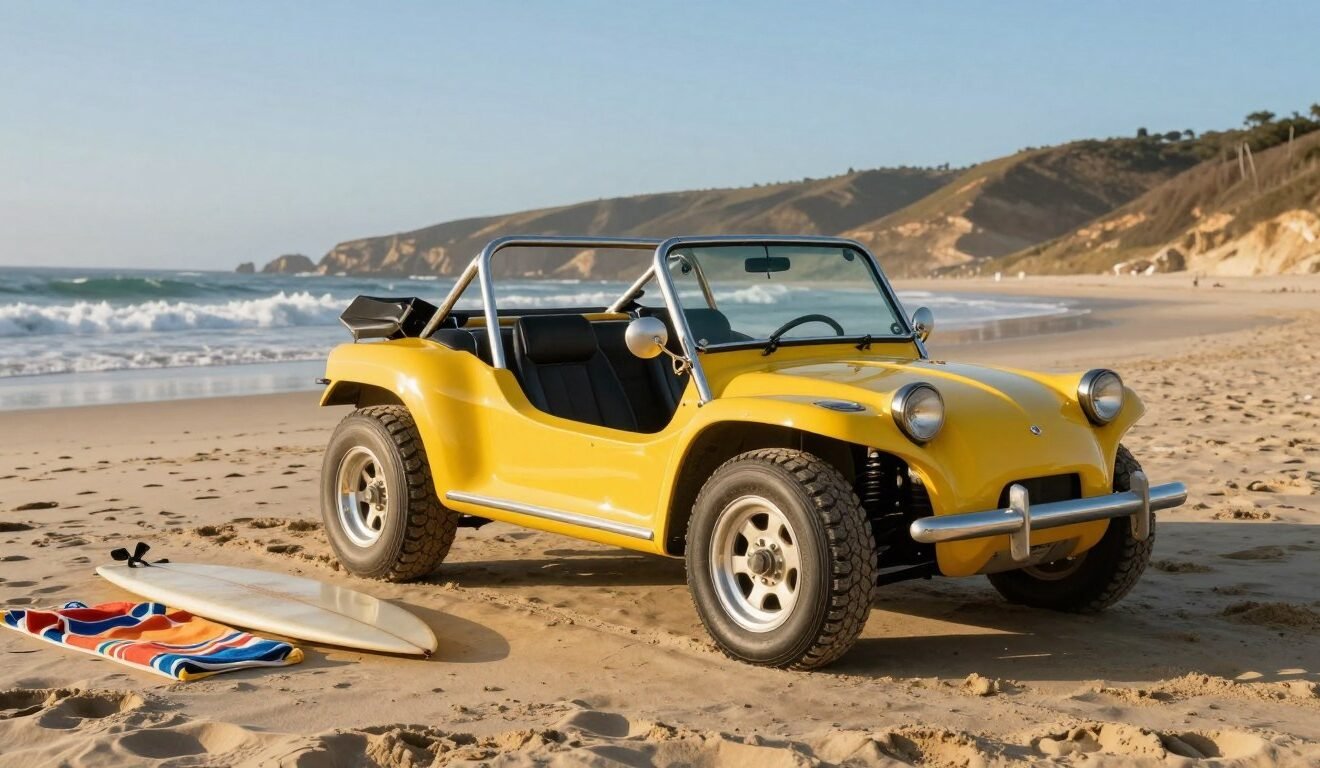
1966 Allison Daytona Dune Buggy: A Fiberglass Icon of America’s Beach Buggy Era The 1960s were a time of big change in American car culture....
- 1966 Allison Daytona Dune Buggy: A Fiberglass Icon of America’s Beach Buggy Era
- The Rise of America's Dune Buggy Movement
- The Allison Daytona Dune Buggy: Design and Engineering
- Cultural Impact and Enduring Legacy
- FAQ
- What is the Allison Daytona dune buggy?
- What influenced the rise of the dune buggy movement in America?
- Why was the Volkswagen Beetle a popular platform for dune buggies?
- What role did fiberglass play in the construction of dune buggies?
- What are some notable dune buggy manufacturers?
- How did regional variations affect the design of Allison Daytona dune buggies?
- What is the significance of the Allison Daytona dune buggy in American car culture?
- Are dune buggies popular today?
- Can I customize my dune buggy?
- What is the legacy of the dune buggy movement?
1966 Allison Daytona Dune Buggy: A Fiberglass Icon of America’s Beach Buggy Era#
The 1960s were a time of big change in American car culture. People were drawn to freedom and adventure. The 1966 Allison Daytona Dune Buggy was a key symbol of this era. It stood for a simple, customizable lifestyle that loved the sun, sand, and surf.

The dune buggy movement grew from surf culture and car innovation. It used fiberglass bodies and Volkswagen Beetle platforms. This made vehicles that were light, versatile, and great for coast cruising.
Key Takeaways#
- The 1966 Allison Daytona Dune Buggy is a quintessential representation of 1960s beach culture.
- Fiberglass construction and Volkswagen Beetle platforms were key to the dune buggy’s popularity.
- The dune buggy movement was influenced by the surf culture of the 1960s.
- These vehicles were designed for simplicity and customization.
- The Allison Daytona Dune Buggy is an iconic example of American automotive creativity.
The Rise of America’s Dune Buggy Movement#
The dune buggy movement in 1960s America was a big deal. It mixed the excitement of surfing with the joy of driving. This time was special because surf culture and car innovation came together.
Surf Culture and Automotive Innovation#
Surf culture was key in starting the dune buggy trend. Surfers wanted to keep their adventurous spirit alive, even off the beach. They started modifying cars to make them good for both roads and dunes. Automotive innovation then kicked in, with car makers making tougher, more versatile cars.
“The dune buggy was a natural progression for surfers who wanted to take their love of speed and adventure off the beach and onto the sand dunes.”
Volkswagen Beetle: The Perfect Platform#
The Volkswagen Beetle was the perfect car to turn into a dune buggy. Its strong body, rear engine, and easy availability made it a hit. Companies like Meyers Manx, Dearborn Automobile Company, and EMPI made kits for dune buggies.
- Meyers Manx: Known for their iconic dune buggy designs
- Dearborn Automobile Company: Offered a range of dune buggy kits
- EMPI: Provided performance parts and accessories for dune buggy builders
Fiberglass Revolution in Automotive Design#
Fiberglass changed car design, making dune buggies light and strong. It let builders make cars that looked good and worked well.
| Feature | Benefit |
|---|---|
| Fiberglass Body | Lightweight, corrosion-resistant |
| Volkswagen Beetle Chassis | Robust, reliable platform |
| Custom Designs | Unique, personalized vehicles |

The mix of surf culture, the Volkswagen Beetle, and fiberglass made the dune buggy movement huge.
The Allison Daytona Dune Buggy: Design and Engineering#
The Allison Daytona shows the creativity of America’s beach buggy era. It was built on a shortened VW chassis for stability and power. Its fiberglass body was a big step forward, being light, strong, and resistant to rust.
Fiberglass Body Construction and Benefits#
The fiberglass body made the Allison Daytona light and tough. It was perfect for beach and off-road adventures. The fiberglass also allowed for smooth, curved lines, making the buggy look great and go fast.

Chassis Modifications and Technical Specifications#
The Allison Daytona had a modified VW chassis for better handling. Its engine and suspension were set up for top performance on different terrains. The air-cooled VW engine was reliable and strong.
Regional Variations: California vs. Florida Models#
Models of the Allison Daytona varied by region. California models were sleeker, while Florida models had extra rust protection. These differences showed the wide range of customization options.
Customization Culture and Owner Modifications#
The dune buggy community loved to customize. Owners of the Allison Daytona made their vehicles unique with engine tweaks and body styles. This customization culture made each vehicle special and pushed the community forward.
Cultural Impact and Enduring Legacy#
The Allison Daytona dune buggy is more than a car. It stands for freedom and youth culture of 1960s America. It shows how people modified cars to make unique, off-road vehicles.
Dune buggies like the Allison Daytona were seen in movies, like “The Thomas Crown Affair.” This made them famous as classic American cars. They were loved for their style and bold spirit.
Now, dune buggies are celebrated at vintage car shows. Owners show off their restored and customized buggies. This shows how much people value these cars.
The Allison Daytona and other dune buggies inspire car design and fans. They have a lasting impact that goes beyond their popularity. As collector items, they remind us of a time of car creativity and freedom.