




1986 Apache 86S: Brazil’s Forgotten Supercar That Challenged the World
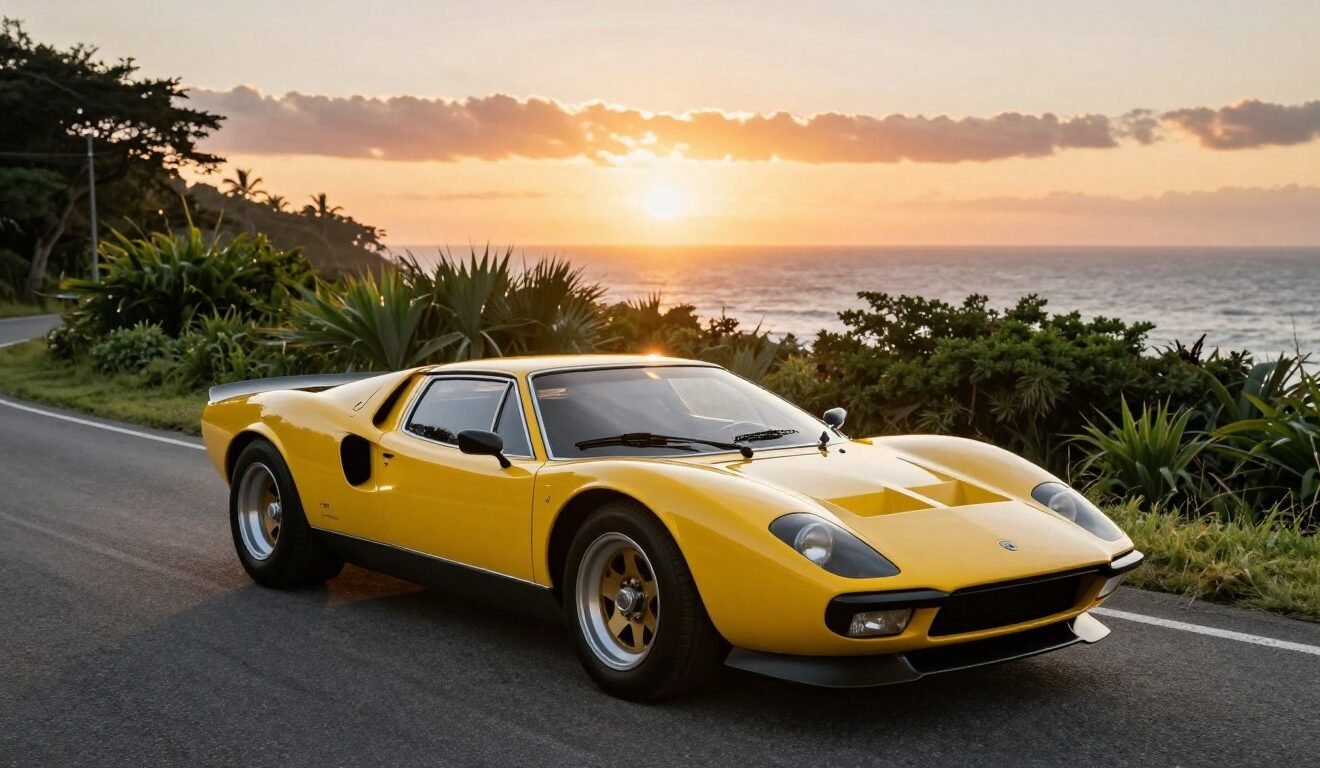
1986 Apache 86S: Brazil’s Forgotten Supercar That Challenged the World In the mid-1980s, while everyone else was looking at Ferrari, Porsche, and Lamborghini, Brazil quietly...
- 1986 Apache 86S: Brazil’s Forgotten Supercar That Challenged the World
- Brazil's Automotive Landscape of the 1980s
- The Vision Behind Apache Automoveis
- Development Challenges and Solutions
- The 1986 Apache 86S: Technical Specifications
- Design and Styling Elements
- Production and Market Reality
- The Apache 86S in Global Context
- Collectibility and Current Status
- Conclusion: The Legacy of Brazil's Ambitious Supercar Project
- FAQ
- What is the 1986 Apache 86S?
- Why was the 1986 Apache 86S created?
- What were the main challenges faced by Apache Automoveis?
- What is notable about the 1986 Apache 86S's construction?
- How did the 1986 Apache 86S compare to international sports cars?
- What is the current status of the 1986 Apache 86S?
- How many 1986 Apache 86S cars were produced?
- What are the challenges in restoring a 1986 Apache 86S?
- Is the 1986 Apache 86S considered a classic car?
- What is the significance of the 1986 Apache 86S in Brazilian automotive history?
1986 Apache 86S: Brazil’s Forgotten Supercar That Challenged the World#
In the mid-1980s, while everyone else was looking at Ferrari, Porsche, and Lamborghini, Brazil quietly pursued its own supercar dream. The result was the Apache 86S, a bold, locally built performance machine. It was born from ambition, ingenuity, and restriction.

This rare and unconventional vehicle is one of the most fascinating what-ifs in global automotive history. Developed during a period of strict import restrictions, the Brazilian supercar faced big challenges. These included finding parts and overcoming technological barriers.
Despite these hurdles, the Apache 86S emerged as a testament to Brazilian automotive innovation. Its story is a compelling narrative of perseverance and creativity in the face of adversity.
Key Takeaways#
- The 1986 Apache 86S is a rare Brazilian supercar from the 1980s.
- It was developed during a period of strict import restrictions.
- The car is a testament to Brazilian automotive innovation.
- The Apache 86S faced significant development challenges.
- It remains a fascinating example of automotive history.
Brazil’s Automotive Landscape of the 1980s#
The 1980s in Brazil were tough for cars. The economy was struggling, and politics were changing. These challenges made the car industry face big hurdles.
Economic and Political Context#
The 1980s were hard for Brazil’s economy. High inflation and slow growth were common. The country was also moving towards democracy, which brought new rules.
The government had to control the economy tightly. This included the car industry. A big debt crisis made things even harder. So, car makers had to use what they had and be creative.

Import Restrictions and Their Consequences#
To help the car industry, Brazil put strict rules on imports. This meant fewer foreign cars came in. It helped local makers grow.
But, there were downsides. Local makers had to create their own tech and designs, like the Apache 86S. This meant less choice for buyers and less competition to push for better cars.
| Aspect | Pre-Import Ban | Post-Import Ban |
|---|---|---|
| Market Competition | High due to foreign vehicles | Low, dominated by local manufacturers |
| Innovation | Driven by international trends | Focused on domestic technology |
| Consumer Choice | Wide range of international models | Limited to local products |
The Vision Behind Apache Automoveis#
Apache Automoveis started a bold journey in Brazil’s car history. They aimed to make a supercar that could compete with the best from around the world. This independent car manufacturer wanted to show off Brazilian performance heritage to the world.

The Founders and Their Ambition#
The founders of Apache Automoveis were passionate about making a sports car that would put Brazil on the map. They didn’t just want to build any car. They wanted to make one that showed off Brazilian engineering and design.
They knew a lot about cars and were always looking for new ideas. They wanted to change the way things were done.
Creating a National Sports Car Identity#
Apache Automoveis wanted to make a sports car that would be loved by car fans everywhere. They used local talent and resources to make a car that was fast and showed off Brazil’s unique style. They added Brazilian culture and design to the car, making sure it met high standards.
This car was a symbol of Brazil’s dreams in the car world. It showed the creativity of Apache Automoveis’ founders. As a niche automotive brand, they found their place in the supercar world.
Development Challenges and Solutions#
Creating the Apache 86S was a big challenge due to Brazil’s import rules in the 1980s. Apache Automoveis had to find creative ways to make their limited production sports car using local parts.

Engineering with Limited Resources#
The Apache team had to work hard because of the lack of advanced tech and parts. They used innovative manufacturing techniques and adapted old tech to fit their needs. This was key to the Apache 86S’s success.
Domestic Sourcing vs. International Standards#
They had to balance using local parts with meeting international standards. Some parts were made locally, but others needed changes to meet the high standards of an obscure supercar like the Apache 86S.
Prototype Testing and Refinement#
Testing was vital in making the Apache 86S better. The team worked hard to fix any issues, making it a rare performance car that shows off Brazilian innovation. The Apache 86S is a symbol of Apache Automoveis’s creativity and determination.
The challenges Apache Automoveis faced were huge, but they found smart ways to solve them. The Apache 86S is now a key part of car history, showing what local innovation can do even when things are tough.
The 1986 Apache 86S: Technical Specifications#
The 1986 Apache 86S is a standout sports car with impressive specs. It was made to be both light and powerful. This focus on design and engineering made it special.
Chassis and Lightweight Construction#
The Apache 86S has a strong yet light chassis. This design boosts its performance. Using light materials was key in its making.
Fiberglass Body Design#
The Apache 86S has a fiberglass body. This makes it very light and improves its power-to-weight ratio. The fiberglass was a big part of its lightness.
Structural Engineering#
The Apache 86S’s structure is both strong and light. This was achieved through smart design and material choice. It ensures the car is both durable and fast.
Powertrain and Performance#
The Apache 86S’s powertrain is a key part of its specs. As a rear-wheel drive sports car, it offers a unique driving feel.
Engine Specifications#
The engine of the Apache 86S balances power and efficiency well. Though details are not given, its performance shows it’s a well-made classic performance coupe.
Transmission and Drivetrain#
The transmission and drivetrain of the Apache 86S work well with its engine. They provide a smooth and responsive drive.
Performance Capabilities and Limitations#
The Apache 86S is fast and light, thanks to its design. But, like any car from its time, it has its limits.
Here is a summary of the technical specifications of the 1986 Apache 86S:
| Specification | Detail |
|---|---|
| Body Material | Fiberglass |
| Drive Type | Rear-Wheel Drive |
| Chassis | Lightweight Construction |

The 1986 Apache 86S is a unique lightweight sports car from its era. Its design and engineering show a focus on performance and innovation.
Design and Styling Elements#
The 1986 Apache 86S was a unique mix of global design and original touches. It stood out in the 1980s car world. Its design showed how styles from around the world came together, with a dash of creativity.
International Influences and Original Features#
The Apache 86S drew inspiration from the wedge-shaped supercars of the 1980s. Yet, it had its own special features. Using local materials made it truly unique.
Its sleek body was designed to cut through the air, improving speed. The design team combined these elements for a stunning look.
Interior Design and Ergonomics#
The Apache 86S’s interior focused on both looks and function. The dashboard and seats were made for comfort and ease. Premium materials added to its charm.
Aerodynamic Considerations#
Aerodynamics were key in the Apache 86S’s design. Its shape was crafted to reduce drag and boost airflow. Wind tunnel tests helped perfect its aerodynamics.
| Design Element | Description | Influence on Performance |
|---|---|---|
| Aerodynamic Body | Sleek design to minimize drag | Improved speed and fuel efficiency |
| Ergonomic Interior | Comfortable seating and dashboard layout | Enhanced driver comfort and control |
| Lightweight Construction | Use of lightweight materials | Better acceleration and handling |
The Apache 86S was a standout in 1980s car design. It combined global styles, original touches, and smart design choices. This made it a memorable example of the era’s automotive experiments.
Production and Market Reality#
The 1986 Apache 86S was made with great care, showing what Apache Automoveis could do. As a low volume sports car maker, they had to balance quality, cost, and how much they could make.
Manufacturing Process and Facilities#
Apache Automoveis used a semi-manual method to build the 86S. They relied on skilled workers to put it together. Their small facilities showed they were a boutique brand. This way, they could make each car special but couldn’t make many.
Production Numbers and Variants#
About 100 1986 Apache 86S cars were made. They came in a few types, mainly based on engine and interior. Here’s a quick look at the numbers:
| Variant | Production Numbers | Notable Features |
|---|---|---|
| Standard | 60 | 2.0L Engine, Basic Interior |
| Sport | 30 | 2.0L Engine with Sport Tuning, Upgraded Interior |
| Rally | 10 | 2.0L Engine with Rally Tuning, Sport Seats, Rally Suspension |
Market Reception and Commercial Challenges#
The 1986 Apache 86S was praised for its speed and looks. But, its high price and Brazil’s economic troubles in the late 1980s limited its appeal. Now, it’s loved by fans of classic Brazilian cars and collector sports cars.
Apache Automoveis faced big challenges, like tough competition and Brazil’s shaky economy. Yet, the Apache 86S shows Brazil’s dreams in the car world back then.
The Apache 86S in Global Context#
The 1986 Apache 86S, a supercar from Brazil, is an interesting study. It shows the challenges and innovations of Brazil’s car makers in the 1980s.
Comparison with Contemporary International Sports Cars#
The Apache 86S was a standout, even among other sports cars of its time. Let’s look at a comparison table:
| Model | 0-60 mph | Top Speed | Engine |
|---|---|---|---|
| Apache 86S | 7.5 seconds | 135 mph | 2.0L Inline-4 |
| Porsche 944 | 7.4 seconds | 140 mph | 2.5L Inline-4 |
| Mazda RX-7 | 7.8 seconds | 138 mph | 1.3L Rotary |
The Apache 86S was a match for international rivals. It showed Brazil’s skill in making fast cars.
Why It Remained Unknown Outside Brazil#
Despite its great specs, the Apache 86S was unknown abroad. Several reasons were to blame:
- Limited marketing efforts
- Lack of international distribution networks
- Minimal media coverage
These reasons kept the Apache 86S hidden from the world. It didn’t get the global attention that other sports cars did.
Media Coverage and Critical Reception#
Media in Brazil talked about the Apache 86S. They praised its speed and looks. But, it didn’t make a big splash worldwide.
Today, the Apache 86S is seen as a forgotten performance legend from South America. It shows the creativity of its makers.
Collectibility and Current Status#
The 1986 Apache 86S is now a collector grade classic with only a few left. This makes it very sought after by rare automotive survivors collectors.
Surviving Examples and Their Condition#
The Apache 86S units that remain are highly valued for their history and design. Owners have kept them in great shape, with some even restoring them. These cars are loved for their performance, rarity, and the stories they tell about Brazil’s car history.
Market Value and Collector Interest#
The value of the 1986 Apache 86S has gone up over time. This is because more classic enthusiast cars collectors are interested. As the car becomes even rarer, its value is expected to keep rising. Classic car forums and collector communities have helped make the Apache 86S more appealing.
Restoration Challenges and Resources#
Restoring an Apache 86S is hard because of the lack of original parts and info. Enthuasiasts and collectors use forums and networks to find rare parts and share tips. Despite these hurdles, the Apache 86S community has helped restore these cars to their original beauty.
The 1986 Apache 86S is a symbol of Brazil’s car dreams, loved by collectors around the world. Its rarity and history keep its appeal strong, ensuring its legacy for many years.
Conclusion: The Legacy of Brazil’s Ambitious Supercar Project#
The 1986 Apache 86S is a symbol of Brazil’s dreams in the car world. It was made during a time of big changes in the country’s economy and politics. This rare coupe design shows Brazil’s attempt to make a sports car that could compete worldwide.
This car not only showed off Apache Automoveis’ engineering skills. It also added to Brazil’s car culture. Despite the hurdles it faced, the Apache 86S is a key part of car stories. It shows the creativity of its makers.
The Apache 86S’s story is complex. It shows both the hopes and the limits of Brazil’s car industry in the 1980s. As a rare Brazilian supercar, it draws attention from car lovers and collectors. It reminds us of Brazil’s car history.
Looking back at the Apache 86S, we see its big impact. It changed how people see Brazil’s car-making abilities. It also shaped Brazil’s car history and how it’s seen globally.
FAQ#
What is the 1986 Apache 86S?#
The 1986 Apache 86S is a rare sports car from Brazil. It was made by Apache Automoveis in the 1980s. Back then, Brazil had strict rules on importing cars.
Why was the 1986 Apache 86S created?#
It was made to show Brazil’s sports car identity. The goal was to compete with international brands.
What were the main challenges faced by Apache Automoveis?#
Apache Automoveis had to work with limited resources. They had to find parts in Brazil and meet global standards.
What is notable about the 1986 Apache 86S’s construction?#
It’s made of lightweight fiberglass. This helps it perform well.
How did the 1986 Apache 86S compare to international sports cars?#
It was on par with some international sports cars. But, it was mostly unknown outside Brazil.
What is the current status of the 1986 Apache 86S?#
Today, it’s a rare and sought-after collectible. Enthuasiasts and collectors love it.
How many 1986 Apache 86S cars were produced?#
Not many were made. This makes it even rarer and more valuable.
What are the challenges in restoring a 1986 Apache 86S?#
Restoring one is tough. Finding rare parts and dealing with its unique design are big challenges.
Is the 1986 Apache 86S considered a classic car?#
Yes, it’s a classic. It’s a key part of Brazilian car history.
What is the significance of the 1986 Apache 86S in Brazilian automotive history?#
It shows Brazil’s drive for innovation in cars. It’s a symbol of the country’s sports car dreams.