




German Engineering Philosophy Explained: Precision, Performance, and Purpose
German Engineering Philosophy Explained: Precision, Performance, and Purpose
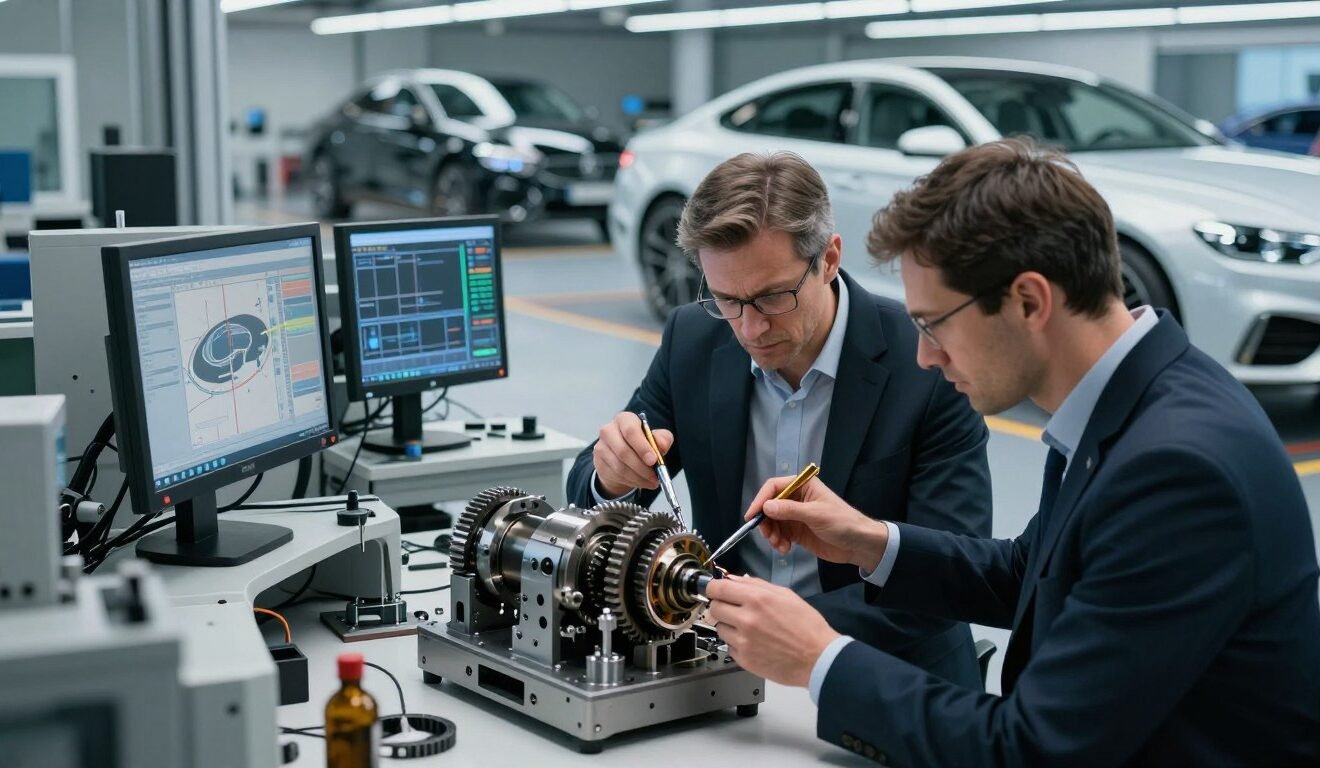
The fame for being precise and durable in German manufacturing is not by chance. It comes from a thorough design and testing process. This process focuses on how well things work and perform.
Whether it’s top-notch cars or advanced machines, precision engineering is all about quality and skill.

The main ideas behind this approach are lasting quality, doing well under stress, and designs that work well.
Key Takeaways
- Precision and durability are hallmarks of German manufacturing.
- A rigorous design and testing process ensures quality and performance.
- Function-led design is a core principle of German engineering.
- German engineering is renowned for its technical excellence.
- High-performance automobiles exemplify the precision engineering philosophy.
The Foundations of German Engineering Excellence
German engineering is built on three key principles: precision, performance, and purpose. These principles make German engineering stand out worldwide. They come from a mix of industrial discipline, strict education, and a focus on quality.

The Triad: Precision, Performance, and Purpose
German engineering focuses on precision, making sure every part meets high standards. Performance is improved through thorough testing. And purpose guides the design, making sure each part has a role.
| Principle | Description | Impact |
|---|---|---|
| Precision | Exacting standards in manufacturing and design | High-quality products with minimal defects |
| Performance | Rigorous testing and optimization | Enhanced efficiency and reliability |
| Purpose | Function-led design approach | Products that meet specific needs effectively |
Function Over Form: The German Approach
German engineering puts function over form. This means products are made to do specific tasks well. They often last longer and work better.
Quality as a Cultural Value
In Germany, quality is a big deal. It shapes engineering and society. This focus on quality pushes for excellence in engineering, from start to finish.
German engineering is famous worldwide for good reasons. It combines precision, performance, and purpose. It also values function and quality deeply. This sets a high bar for engineering everywhere.
Historical Roots of German Engineering Philosophy
The foundation of German engineering philosophy was laid during the industrial revolution. This was a time when science and practical application merged. It marked the start of Germany’s journey to become a leader in engineering.
Industrial Revolution and German Industrialization
The industrial revolution in Germany in the 19th century was a key moment. It was a time of rapid industrialization and technological advancements. Technical universities were established, combining theoretical knowledge with practical skills.
Werner von Siemens, a pioneer in electrical engineering, said, “The progress of science and technology must be in the hands of the most capable and best educated.”
Guild Systems and Craftsmanship Traditions
Germany’s guild systems and craftsmanship traditions were key in shaping its engineering practices. The focus on quality craftsmanship and passing down skills through generations helped build Germany’s reputation for high-quality products.

Post-War Reconstruction and the Economic Miracle
After World War II, Germany went through a period of reconstruction known as the “economic miracle.” This time saw a lot of investment in manufacturing technology and a focus on engineering excellence. It laid the groundwork for modern German manufacturing.
The Birth of Modern German Manufacturing
The post-war period also saw the start of modern German manufacturing practices. These practices emphasized precision, performance, and purpose. This was driven by the need to rebuild and innovate, leading to advanced manufacturing technologies and a skilled workforce.
As
“The German model of industrial production is characterized by a high degree of specialization, a strong emphasis on quality, and a commitment to continuous innovation.”
This approach has helped German engineering stay competitive globally.
The historical roots of German engineering philosophy come from the industrial revolution, guild traditions, and post-war reconstruction. These efforts have made Germany a leader in engineering and manufacturing today.
The German Education System: Cultivating Engineering Discipline
Germany’s education system is key to its engineering success. It mixes theory with practice. This blend is vital for German engineering skills.
Dual Education System and Technical Training
The dual education system is central to Germany’s engineering excellence. It merges school learning with apprenticeships. Students get real-world experience through these apprenticeships.
Working with companies, students learn by doing. This hands-on approach enhances their knowledge.
Engineering Universities and Research Institutions
German engineering universities focus on practical research. Students tackle real projects with companies. This prepares them for engineering challenges.
This teamwork ensures students are ready for the engineering world.
Industry-Academic Partnerships
Industry-academic partnerships are vital in Germany’s engineering education. They share knowledge and resources. This keeps education up-to-date with industry needs.
Practical Application in Education
Practical learning is a big part of German engineering education. Students work on real projects. This sharpens their problem-solving skills.
It also deepens their understanding of engineering.
| Education Component | Description | Benefits |
|---|---|---|
| Dual Education System | Combines academic learning with apprenticeships | Practical skills, industry experience |
| Engineering Universities | Emphasizes applied research and live projects | Innovation, real-world preparedness |
| Industry-Academic Partnerships | Collaborations between education and industry | Knowledge exchange, technological advancement |
Core Principles of German Engineering Philosophy
German engineering is built on a strong philosophy. It focuses on precision, design that works well, and solving problems in a systematic way. This philosophy has made German engineering a top choice for quality and reliability around the world.
Precision and Tolerance Standards
German engineering values precision and strict standards. This means parts are made to exact specs, reducing errors and improving performance. The focus on precision shows in the strict testing and quality checks that are key to German engineering.
Durability and Long-Term Performance
German engineering also emphasizes durability and lasting performance. Engineers aim to make systems and parts that last long, needing less repair or replacement. This not only makes customers happy but also helps the environment by reducing waste.
Function-Led Design Approach
Function-led design is at the heart of German engineering. It focuses on making sure designs work well and efficiently. German engineers understand the needs and conditions of the product or system. This way, they create solutions that are both effective and reliable.
Systematic Problem-Solving Methodology
German engineering uses a systematic way to solve problems. It involves a structured and analytical method. This method uses advanced tools like simulation and modeling to test and develop solutions. It ensures problems are solved fully, leading to better and more reliable engineering.
The key principles of German engineering are precision, durability, function-led design, and systematic problem-solving. By following these principles, German engineers keep raising the bar for excellence in engineering. They drive innovation and high performance in many industries.
German Automotive Engineering: Precision in Motion
Precision in motion is more than a phrase; it’s the heart of German automotive engineering. This idea is woven into every part of car design and making. It covers engine work to chassis fine-tuning.
Engine Development and Powertrain Excellence
German car makers are famous for their engine development. Brands like Mercedes-Benz and BMW aim for top performance and efficiency. They focus on making cars that go fast and use less fuel.
- Advanced fuel injection systems
- Turbocharging technology
- Hybrid and electric powertrains
These new ideas show Germany’s lead in engine development. They meet the needs of both old and new car types, like electric ones.
Chassis and Suspension Philosophy
The chassis and suspension philosophy in German cars is all about great handling, stability, and comfort. They use:
- Light but strong materials
- Smart suspension for a smoother ride
- Exact tuning for the best drive
This careful work makes German cars stand out. They’re perfect for fast drives on the autobahn or fun roads.
High-Speed Stability and Autobahn Requirements
The autobahn, with its fast sections, pushes car makers to create vehicles that stay stable at high speeds. This has led to new ideas in aerodynamics, engine control, and chassis design.
Testing at the Nürburgring: The Ultimate Proving Ground
The Nürburgring is a famous place for car tests. For German car makers, it’s key for testing high-speed stability and improving performance.
The tough tests at the Nürburgring make sure German cars are top-notch. They meet high standards of speed, safety, and durability. This boosts German car engineering’s global reputation.
Manufacturing Standards and Production Philosophy
German engineering stands out because of its strict standards and approach to making things. It focuses on precision, quality, and durability. This sets a high bar for industries everywhere.
Precision Tolerances and Quality Control
German manufacturing is known for its exacting standards and quality checks. Companies follow strict rules to ensure every product is top-notch. This focus on detail makes German products reliable and high-performing.
Investment in Manufacturing Technology
German makers invest a lot in the latest technology. This helps them work more efficiently, make better products, and save money over time. Their forward-thinking keeps them ahead in the global market.
Skilled Labor Force and Specialization
Germany has a highly skilled workforce, thanks to its unique education system. It combines theory and practical skills. This prepares workers for complex tasks, keeping German engineering standards high.
Long-Term Value Over Short-Term Cost Savings
German manufacturing values long-term benefits over quick savings. It focuses on making durable, high-quality products. Even if they cost more upfront, their long life and low maintenance make them worth it. This is why German engineering is known for its reliability and excellence.
In summary, German manufacturing is all about precision, quality, and looking ahead. By investing in technology, training skilled workers, and focusing on quality, German makers lead the way in engineering excellence globally.
Brand Identity Through German Engineering Philosophy
German car makers have used their engineering skills to create unique brand identities. Their focus on precision, performance, and quality sets them apart globally. This has made German cars a symbol of excellence in the market.
Engineering as Marketing: The German Advantage
German car makers’ engineering skills are a big marketing plus. They show their dedication to quality, which makes their brands seem superior. As Ferdinand Piëch, former CEO of Volkswagen Group, said,
“The car is a product, but it’s also a statement about the person who owns it.”
Case Studies: Mercedes-Benz, BMW, and Porsche
Mercedes-Benz, BMW, and Porsche are great examples of German engineering’s impact on brand identity. Mercedes-Benz is known for luxury and durability. BMW is famous for its performance and handling. Porsche is all about high-performance sports cars. Each brand sticks to German engineering values while staying true to itself.
Consistency Across Product Lines
These brands’ strong identities come from consistent engineering quality. Whether it’s a Mercedes-Benz S-Class or an A-Class, quality and performance are always top-notch. This consistency builds trust and loyalty with customers.
Premium Positioning Through Engineering Excellence
German car makers’ premium status is thanks to their engineering. They deliver top-quality cars that show precision, performance, and purpose. This reputation supports high prices and attracts customers who appreciate German engineering.
In summary, German engineering philosophy is key to Mercedes-Benz, BMW, and Porsche’s brand identities. Their engineering excellence, consistency, and premium positioning have made them leaders in the global car market.
Global Influence and Legacy of German Engineering
German engineering has made a big mark around the world. It shows the country’s long history of innovation and precision. German engineering has not only changed the manufacturing scene in Germany but also had a big impact on industries everywhere.
Setting International Standards
German engineering has been key in setting global standards for quality and performance. The country’s strict standards for precision have become the standard for many industries. This has led to a worldwide expectation for high-quality products that can handle tough conditions.
Influence on Competitor Practices
The focus on precision and quality in German engineering has changed how companies compete worldwide. Companies everywhere have started to follow similar standards to stay ahead. This has raised global standards, helping both consumers and industries.
Technology Transfer and Global Manufacturing
German engineering has played a big role in sharing technology and improving global manufacturing. Through partnerships, German companies have shared their expertise, improving manufacturing worldwide. This has helped grow international manufacturing networks and global supply chains.
Challenges to German Engineering Dominance in the Digital Age
German engineering faces new challenges in the digital age. New technologies like Industry 4.0 and the Internet of Things (IoT) require German companies to keep innovating. They must embrace digitalization and new manufacturing ways to stay competitive.
In conclusion, German engineering’s global influence and legacy are clear. As the industry keeps changing, German engineering’s focus on precision, quality, and innovation will keep driving global manufacturing excellence.
Conclusion: The Enduring Relevance of German Engineering Principles
German engineers have excelled for over a century. Their success comes from a strong education system and cultural values. These values include patience, precision, and perseverance.
These values have made German engineering a global leader. They have set high standards in many areas, like car making and manufacturing technology.
German engineering principles are key in many industries today. As manufacturing changes, these principles keep German engineering ahead. They ensure German engineering stays at the top of new technologies.
By using these principles, industries around the world can grow. They can achieve great things and improve in their fields.