




How Racing Technology Reached Street Cars: From Track Innovation to Everyday Performance
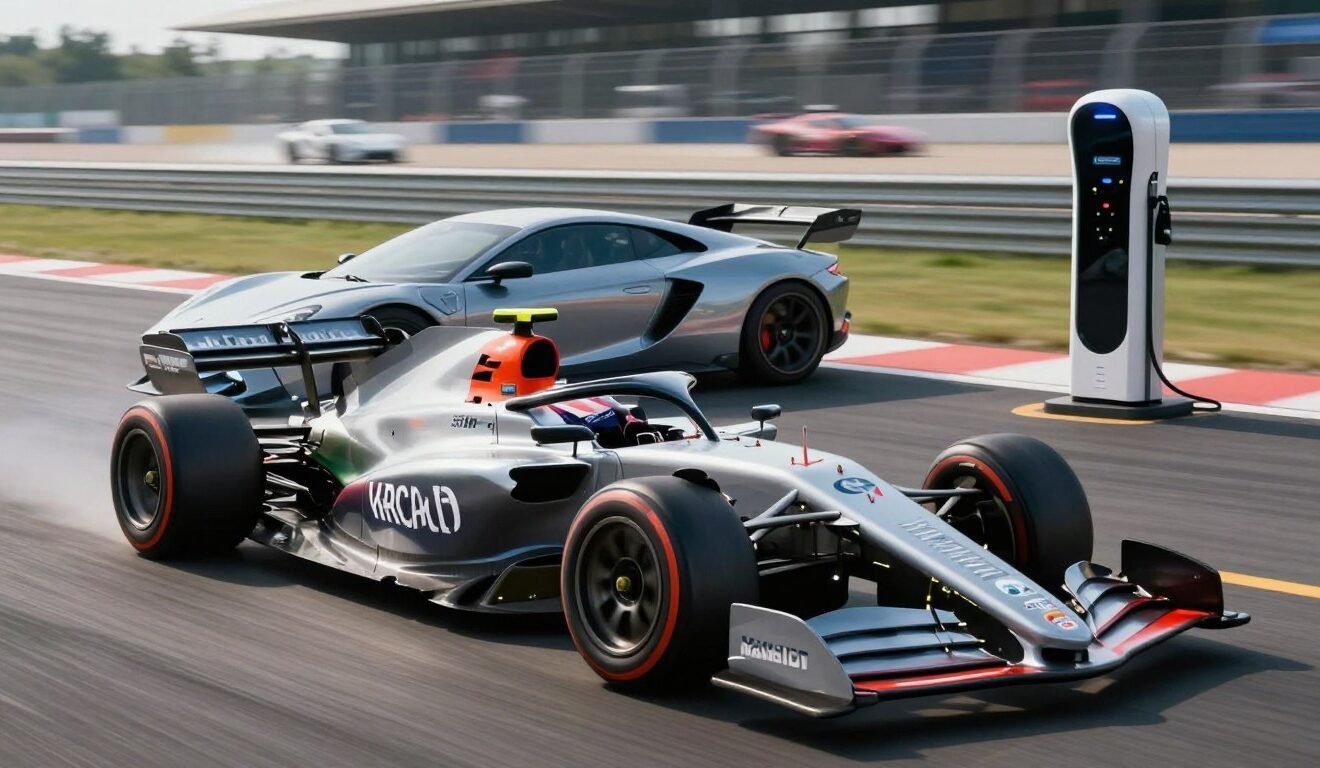
How Racing Technology Reached Street Cars: From Track Innovation to Everyday Performance
Before new automotive innovations hit the roads, they face tough tests on the race track. Motorsport pushes cars to their limits, testing their speed, durability, and innovation. This makes it the perfect place to test motorsport innovation.

The tech developed for racing technology makes its way to our everyday cars. Things like brakes, engines, aerodynamics, and electronics get better thanks to racing. This shows how racing leads to progress in our street cars through the track to street journey.
Key Takeaways
- The role of motorsport as a laboratory for automotive innovation.
- The process of technology transfer from race tracks to production lines.
- Examples of motorsport innovation that have improved street cars.
- The impact of racing on the development of modern automotive components.
- The future of automotive innovation driven by racing technology.
The Racetrack as an Automotive Laboratory
In the world of motorsports, the racetrack is more than a place for racing. It’s a place where new car technology is tested. Cars face extreme conditions, leading to quick improvements in how they perform, stay safe, and use energy.
Extreme Conditions Drive Rapid Innovation
Endurance racing and Formula racing have greatly helped cars get better. Endurance racing checks how long cars can last, pushing for better engines and materials. The 24 Hours of Le Mans has been a key test for cars’ endurance for over 90 years.
“Racing is a fantastic laboratory for testing and validating new technologies. The conditions on the track are far more severe than those encountered on public roads, allowing us to push the limits of what is possible.”
Manufacturer Competition as Development Catalyst
The rivalry in motorsports drives car makers to keep improving. Manufacturer competition pushes teams to find new ways to make cars better. This rivalry has led to big steps forward in car design, engine tech, and materials.
| Motorsport Discipline | Innovation | Benefit to Production Cars |
|---|---|---|
| Endurance Racing | Engine durability, cooling systems | Improved reliability, longer engine life |
| Formula Racing | Aerodynamics, engine management | Enhanced performance, better fuel efficiency |

Racing Technology in Street Cars: The Transfer Process
The journey of racing technology from the track to the road is complex. It involves making changes for reliability, safety, and affordability. As car makers push limits on the racing circuit, they refine these technologies for everyday cars.

From Prototype to Production
The transfer of racing tech to street cars starts with prototypes. Racing-derived technologies are tested and improved on the track. Then, they’re adapted for production cars.
Adapting for Reliability and Daily Use
One big challenge is making racing tech reliable for daily driving. Racing cars are built for extreme conditions, not everyday use. Street cars need to be practical and reliable.
Cost Engineering for Mass Production
Cost is another key factor in transferring racing tech. Mass production aims to balance cost with performance. It’s important to keep costs down without sacrificing quality or performance.
Homologation Specials: When Rules Create Road Cars
Homologation specials are key in bringing racing tech to street cars. These cars meet racing rules and become high-performance road cars. They show how race-derived technology can be used in consumer vehicles.
Examples include the Porsche 911 GT3 and the Ford Mustang GT. These cars highlight the performance of racing tech. They also show how automotive innovation can be adapted for everyday use.
Racing Categories and Their Technological Contributions
Racing categories push the limits of car technology. Each type of racing has its own needs. This has led to big changes in cars we drive every day.
Formula Racing: Cutting-Edge Aerodynamics and Electronics
Formula 1 racing leads in aerodynamics. It uses advanced wings and downforce-enhancing tech. These ideas make racing cars faster and more stable.
They also help make regular cars better. Formula racing also boosts car electronics. It introduces telemetry systems and data logging for better car performance tracking.
Endurance Racing: Durability and Efficiency Innovations
Endurance racing, like the 24 Hours of Le Mans, focuses on lasting long distances. It pushes for better engines and fuel use. This leads to more reliable cars.
Technologies from endurance racing make cars last longer. They also cut down on car upkeep. This is thanks to new materials and cooling systems.
| Racing Category | Technological Contribution | Impact on Production Vehicles |
|---|---|---|
| Formula Racing | Aerodynamics, Electronics | Improved stability, Advanced telemetry |
| Endurance Racing | Durability, Efficiency | Enhanced longevity, Reduced maintenance |
Powertrain Revolutions Born on the Track
The quest for speed and efficiency on the track has led to big changes in powertrain design. These changes help both racing cars and cars driven on the street. Racing engines use tech like turbocharging, variable valve timing, and direct fuel injection to be fast and efficient.
High-Performance Engine Design Principles
High-performance engines are made with certain goals in mind. They are light, can rev high, and burn fuel well. These engines use advanced materials and designs to make more power without adding weight.
Fuel Injection and Engine Management Systems
Fuel injection systems have grown thanks to racing. Early racers saw how fuel injection could control engine performance well. Today’s engine management systems, which control fuel, ignition, and more, owe a lot to racing innovations.
Turbocharging and Supercharging Evolution
Turbocharging started in racing to boost car performance. It has become common in both racing and regular cars. The tech has improved a lot, making turbochargers more efficient and reliable.
Supercharging, another track-born tech, also improved a lot. It gives cars instant power without the delay of early turbo systems.
Innovations from the track have changed the car world. They bring high-performance features to cars we drive every day. As racing pushes limits, the benefits of these advances reach drivers all over.
Chassis Technologies: Handling and Control
The quest for speed has led to big changes in car technology. These changes have made cars better at handling and safer. They’ve also made their way into our everyday vehicles.
Suspension Systems: From Racing Stiffness to Adaptive Comfort
Racing has pushed the limits of suspension systems. We’ve moved from stiff setups for racing to adaptive systems for comfort on the road. Modern cars owe a lot to motorsports.
Coilover and Multi-link Designs
Coilover suspension systems, inspired by racing, are compact and improve handling. They reduce unsprung weight and allow for fine tuning. Multi-link designs, also from racing, balance comfort and performance by allowing for complex movements.
Adaptive Damping Technology
Adaptive damping technology is a big step forward. It lets cars adjust stiffness in real-time based on driving conditions. This tech, developed for racing, boosts both performance and comfort.
Braking Innovations: Stopping Power and Safety
Braking systems have made huge strides thanks to racing. We’ve seen better stopping power and safety. Disc brakes and advanced controls have been key.
Disc Brake Development
Disc brakes, now common in cars, were greatly improved by racing. Racing pushed for materials and designs that handle high temperatures and provide consistent braking.
ABS and Advanced Braking Controls
Anti-lock Braking Systems (ABS) were influenced by racing’s need for better braking. Traction control and stability control have also improved safety and performance.
Key advancements in chassis technologies include:
- Improved suspension designs for better handling
- Adaptive damping for real-time adjustments
- Enhanced disc brake systems for superior stopping power
- Advanced braking controls for increased safety
Performance Tires and Aerodynamic Advancements
Innovations in performance tires and aerodynamics have changed the car world. The drive for speed and efficiency in racing has led to big steps forward.
Tire Compound Technology and Grip Science
Research on tire compounds is key in motorsports. Companies have worked hard to make tires that can handle racing’s harsh conditions. This effort has resulted in high-performance tires that grip better and last longer.
- Thanks to new materials and methods, tires are now made with special compounds for different racing situations.
- Studying tire grip has helped us understand how tire design affects a car’s performance.
Aerodynamic Elements in Consumer Vehicles
Aerodynamic tech from racing has made its way into everyday cars. This has boosted their performance and efficiency. Key elements include:
Downforce Generation
Downforce is vital for a car’s handling and stability, mainly at high speeds. Inspired by racing, spoilers, splitters, and diffusers have been created. They help a car corner better by generating downforce.
Drag Reduction and Efficiency
Aerodynamic efficiency is about more than downforce; it’s also about cutting drag. This improves fuel efficiency and top speed. Features like air curtains and active grille shutters help reduce drag while keeping the car cool.
Adding these aerodynamic features to cars has not only made them better performers. It has also helped make the car industry more eco-friendly by saving fuel.
Materials and Construction Techniques
The quest for speed and efficiency has led to new materials and techniques. These advancements have made cars better in performance, safety, and fuel use.
Lightweight Materials Revolution
Lightweight materials have greatly improved car performance. Carbon fiber and aluminum are at the forefront of this change.
Carbon Fiber and Composites
Carbon fiber is key in high-performance racing because of its strength and lightness. It has made cars faster and more agile. Brands like BMW and Mercedes-AMG use it in their top models.
Aluminum and High-Strength Alloys
Aluminum and other alloys are also important for making cars lighter. They are strong, durable, and cost-effective. Many cars today have aluminum parts, which help them weigh less without losing strength.
Structural Rigidity and Safety Innovations
New materials have also improved car safety and strength. Modern cars use advanced designs and materials to protect better in crashes. High-strength alloys and composites help make cars safer and more rigid.
This focus on materials has greatly improved car safety. Cars now better absorb crash forces, making them safer for drivers and passengers.
Conclusion: The Continuing Legacy of Racing Innovation
The quest for speed in motorsports has led to many tech breakthroughs in cars. Racing keeps pushing the limits of what’s possible. This has made the tech from racing cars available in everyday vehicles, creating the fast cars we love today.
Thanks to racing, cars on the street are getting better and safer. This technology transfer has made cars more efficient and powerful. It shows how racing has left a lasting mark on the car world.
As racing tech moves to the roads, we’ll see even more advanced cars. The impact of motorsport transfer on modern cars is clear. It’s thrilling to think about what the future holds for car innovation.