




Track Day 101: The Complete Prep Checklist (Tire Pressures, Brake Fluid, Safety) + Winter Driving Adenddum
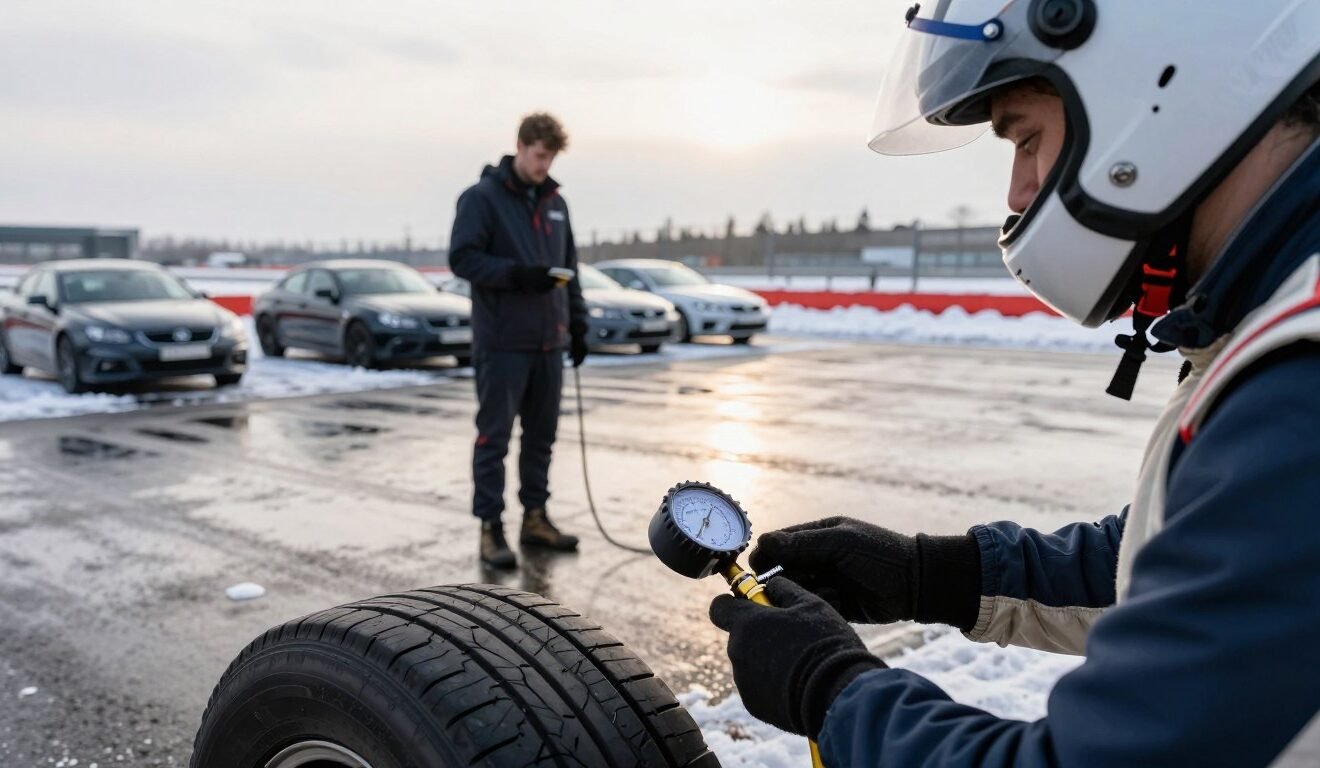
Track Day 101: The Complete Prep Checklist (Tire Pressures, Brake Fluid, Safety) + Winter Driving Adendum
Are you ready to improve your driving skills? A High Performance Driver Education (HPDE) event, or track day, is a great chance to test your car and driving skills in a safe place.

As a beginner, knowing what to expect at your first track day is important. You’ll drive on a professional racing track with skilled drivers and instructors around. To have a safe and fun time, getting ready is essential.
This guide will show you a detailed prep checklist. It covers important things like tire pressures, brake fluid, and safety equipment. We also have winter driving tips to help you deal with cold weather.
Key Takeaways
- Understand what to expect on your first HPDE event
- Learn how to prepare your vehicle for a track day
- Discover the importance of safety equipment and procedures
- Get tips on how to drive safely in winter conditions
- Review a step-by-step prep checklist to ensure a successful track day
What Is a Track Day? Understanding HPDE for Beginners
Getting ready for your first track day? Knowing the basics of HPDE is key. HPDE helps you get better at driving in a safe place.
Track Day Rules and Etiquette
Track day rules and etiquette are vital for a good time. Knowing these will make you feel more confident on the track.
Run Group Classifications
Run groups sort drivers by skill level. This way, you drive with others who are as good as you.
- Beginner Groups: For newbies, these groups teach the basics and safety.
- Intermediate Groups: For those with some experience, these groups help improve skills.
- Advanced Groups: For the pros, these groups are for high-speed fun.
Driver’s Meeting Expectations
The driver’s meeting is a big part of the track day. You’ll learn about the day’s plan, track conditions, and rules.
Make sure to arrive on time and listen well to the instructions.
Flag Systems and What They Mean
Flag systems tell drivers important info on the track. Knowing these flags keeps you and others safe.
Common Flags and Required Responses
- Green Flag: Means the track is open and it’s safe to drive fast.
- Yellow Flag: Warns of a hazard, like an accident. Slow down and get ready to stop.
- Red Flag: Track is closed due to a serious issue. Stop completely.

Passing Zones and Protocols
Passing zones let you pass other drivers. Knowing how to pass is key to avoiding accidents and keeping traffic moving.
Working with Your Instructor
Your instructor is there to help you. They give feedback and help you get better at driving.
Communication Tips
Talking well with your instructor is important. Listen to their feedback and ask questions if you’re not sure.
Learning Objectives
Talk to your instructor about what you want to learn. This makes sure you both are on the same page and get the most out of your track day.
The Ultimate Track Day Prep Checklist
Before you hit the track, make sure your vehicle is ready. A good prep is key for a safe and fun track day.
Pre-Track Technical Inspection Basics
A pre-track technical inspection is vital. It helps find issues that could cause problems or safety risks during the event. This check should cover all important parts of your vehicle.
DIY Inspection vs. Professional Inspection
You can choose to do a DIY or professional technical inspection. A pro check gives peace of mind, but a DIY can save money and teach you a lot.
Common Failure Points
- Worn-out tires: Check for tread depth and look for signs of uneven wear.
- Brake pads and rotors: Inspect for wear and glazing.
- Fluid leaks: Check for signs of leaks around the engine, transmission, and brakes.
- Suspension and steering: Look for signs of wear or damage.
Checking and Setting Proper Lug Torque
Proper lug torque is key for safety. Wrong torque can damage wheels or even cause them to fall off during the event.
Finding Your Vehicle’s Torque Specifications
Look in your vehicle’s manual or on the manufacturer’s website for lug torque specs. Use a calibrated torque wrench for accurate measurements.
Fluid Levels and Condition Assessment
Fluid levels and condition are important for your vehicle’s performance and longevity during the track day.
Oil, Coolant, and Brake Fluid Checks
- Engine Oil: Check the level and condition. Consider a fresh oil fill if it’s due for a change.
- Coolant: Ensure the level is adequate and the coolant is in good condition.
- Brake Fluid: Check the level and condition. Top off or change as necessary.
Securing Your Vehicle: Battery Tie-Downs and Loose Items
Securing loose items in your vehicle is important for safety. Make sure your battery is tied down, and any loose items in the cabin or trunk are secured or removed.

By following this ultimate track day prep checklist, you’ll be ready for a safe and fun track day experience.
Mastering Tire Pressures for Optimal Track Performance
To get the most out of your vehicle on the track, mastering tire pressures is key. Proper tire pressure greatly affects your car’s handling, speed, and performance. For those new to track days, knowing the basics of tire pressure is vital.
Cold vs. Hot Tire Pressure Explained
Tire pressure is measured in two states: cold and hot. Cold tire pressure is when tires are at room temperature, measured before driving. Hot tire pressure is when tires are warm, after driving. Knowing the difference is important for tire performance.

How to Measure and Adjust Pressures Between Sessions
Measuring tire pressure is simple, but adjusting it between sessions needs strategy. Check your tire pressure before and after each session to see how temperature affects it. Using a high-quality tire pressure gauge is key for accuracy.
Using Chalk to Check Contact Patches
Chalk is a great tool to check your tire’s contact patch. Apply chalk to the tire and see how it wears off during driving. This helps you understand your tire’s contact patch and adjust pressure as needed.
Reading Tire Wear Patterns and Shoulder Rollover
Tire wear patterns reveal a lot about your tire pressures. Shoulder rollover means your tire pressure is too low, causing it to flex too much. If the tire’s center wears more than the edges, it’s over-inflated.
Signs of Improper Pressure
Improper tire pressure shows in uneven tire wear, reduced traction, and poor handling. If you see these signs, adjust your tire pressure.
Basic Pressure Targets and Adjustment Strategy
Finding the right tire pressure starts with a baseline and adjusting based on track performance. For more on optimizing your vehicle for the track, check Ride Icons for car model insights.
Starting Points for Different Tire Types
Different tires have different starting pressures. For example, track-specific tires might start lower than street tires. Knowing your tire type and its recommended pressure is the first step to better tire performance.
Brake System Preparation and Management
To get the most out of your vehicle on the track, you need a well-prepared brake system. It’s key for both performance and safety when driving fast.
Brake Pad Compounds: Street vs. Track Options
Choosing between street and track brake pads depends on how you drive. Track pads handle high heat and stop better, while street pads are better for daily driving.
Pad Thickness Measurement
It’s important to check brake pad thickness often. Use a caliper to measure. Replace them if they’re too thin, as per the manufacturer’s guide.

Choosing the Right Brake Fluid: DOT 4 Requirements
For track driving, DOT 4 brake fluid is best. It has a higher boiling point than DOT 3, helping prevent brake fade.
Boiling Point Considerations
The boiling point of brake fluid is key. If it boils, your brakes can feel spongy and stop less effectively.
| Brake Fluid Type | Boiling Point (°F) |
|---|---|
| DOT 3 | 401 |
| DOT 4 | 446 |
| DOT 5.1 | 518 |
Proper Bleeding Intervals and Techniques
Brake bleeding removes air, which can make the brake pedal soft. How often you need to bleed brakes depends on your vehicle and how you drive.
“Regular maintenance of the brake system, including bleeding, is critical for top performance and safety on the track.”
Recognizing and Preventing Brake Fade
Brake fade happens when brakes get too hot, making them less effective. To avoid it, manage your braking and keep your brakes in good shape.
Pedal Feel Changes
If your brake pedal feels softer or spongy, it might be a sign of brake fade or a problem. Check your brakes right away.
The Importance of Cool-Down Laps
Cool-down laps are vital after intense driving. They help your brakes cool down, reducing fade risk and extending their life.
Safety Equipment and Personal Preparation
Getting ready for your track day means focusing on safety and preparation. The right gear and being ready physically and mentally are key. They help you perform well and stay safe on the track.
Helmet Standards and Selection (SA2020/SA2025)
Your helmet is the most important safety item. Look for helmets that meet the SA2020 or SA2025 standards. These are made for high-speed driving and offer better impact protection.
Fitment and Comfort Considerations
A helmet that fits right is vital. It should be snug but not too tight, and not move when you shake your head. Look for comfort features like padding and ventilation for long wear.

Appropriate Clothing and Footwear
Choose comfy, breathable clothes that let you move freely. Natural fibers like cotton are good for comfort. But synthetic materials are durable and easy to clean.
Natural Fibers vs. Synthetics
Natural fibers are comfy, but synthetics last longer and are easier to clean. Pick what works best for you and the track’s demands.
Hydration and Physical Readiness
Drinking water is key, even more so during intense activities like track driving. Stay hydrated before, during, and after. Being in shape also boosts your endurance and quickness on the track.
Mental Preparation and Managing Expectations
Being mentally ready is as important as being physically fit. Setting achievable goals for your first track day helps manage stress. Focus on learning the track, improving your driving, and enjoying the ride.
Setting Realistic First-Day Goals
For your first track day, aim to get to know the track, understand the flags, and work on braking and cornering. Don’t overdo it; it’s about learning and having fun.
| Safety Equipment | Description | Importance Level |
|---|---|---|
| Helmet | SA2020/SA2025 certified | High |
| Clothing | Comfortable, breathable | Medium |
| Footwear | Sturdy, comfortable shoes | Medium |
For more tips on getting your car ready for track days, check out Ride Icons. They offer expert advice on car care and performance.
Driving Techniques for Your First Track Day
Getting ready for your first track day means learning key driving skills. These skills are vital for a safe and successful time. They help you perform better and stay safe.
Finding and Managing Braking Points
Finding the right spots to brake is key for control and fast times. Progressive braking helps slow down smoothly without locking wheels.
Progressive Braking Technique
To brake progressively, first spot your braking points on the track. Use signs or markers to remember where to stop. As you get close, slowly press the brake pedal until you slow down right.
Proper Vision Techniques on Track
Your eyes are important in track driving. Looking through corners keeps you on track and ready for what’s ahead.
Looking Through Corners
Look at the turn’s apex and beyond to the exit. This keeps your line smooth and avoids jerky turns.

Smooth Inputs and Car Control Basics
Smoothly using the steering, throttle, and brakes is essential. Weight transfer fundamentals also matter, affecting how your car moves.
Weight Transfer Fundamentals
Knowing how your car’s weight moves helps control. For example, braking hard shifts weight to the front, improving grip.
| Driving Technique | Description | Benefit |
|---|---|---|
| Progressive Braking | Gradually increasing brake pressure | Maintains control, prevents lockup |
| Looking Through Corners | Focusing on the apex and exit | Smooth line, avoids overcorrecting |
| Smooth Inputs | Gentle steering, throttle, and braking | Maintains car control, reduces wear |
Managing Your Ego: The Key to Progress
Improving your driving means managing your ego and being open to learning. Focus on getting better, not competing with others.
Learning vs. Competing Mindset
“The key to success is not to be better than others, but to be better than you were yesterday.” This mindset is key on the track, where your main goal is to beat your own past performance.
By focusing on your own growth and learning, you’ll improve faster and enjoy your track day more.
Essential Track Day Toolkit: What to Bring
Going to a track day is more than just driving. You need the right tools and equipment. The right gear can make your day better, getting you ready for anything.
Basic Tools and Emergency Equipment
A good toolkit is key for any track day. You’ll need:
- Socket Sets and Wrenches: These help with most repairs and adjustments.
- Other basics like pliers, screwdrivers, and an Allen wrench set.
Socket Sets and Wrenches
Choosing quality socket sets and wrenches is important. Look for durable materials and a wide range of sizes.
Torque Wrench and Tire Pressure Gauge
A torque wrench ensures your wheels are tight. A tire pressure gauge keeps your tires at the right pressure.
Digital vs. Analog Options
Decide between digital and analog tools based on precision and ease. Digital tools give quick readings, while analog tools are durable.
Tape, Zip Ties, and Quick Fixes
Tape and zip ties are great for quick fixes. They can hold parts together or make temporary repairs.
Extra Fluids and Consumables
Bring extra fluids like brake fluid, coolant, and oil. Also, remember consumables like spare tires or repair kits.
Storage and Transportation Tips
Use a good storage system for your tools. A portable toolbox makes carrying them easy.
Comfort Items: Chair, Canopy, Water, and Snacks
Don’t forget comfort items like a chair, canopy, water, and snacks. They make your day more enjoyable, keeping you hydrated and comfy.

Post-Session Checks and Maintenance
Keeping your vehicle in top shape is vital after a track day. It’s important to care for it to keep its performance and longevity. After pushing your vehicle hard, it needs the right care to stay in good condition.
Cooling Down Your Vehicle Properly
Cooling down your vehicle after a track session is key. It’s about managing engine and brake temperatures.
Engine and Brake Temperature Management
Let your vehicle idle for a few minutes to cool down the engine after a hot session. For brake temperature, use cool-down laps. This helps slow down brake temperature, avoiding brake fade and damage.
Re-checking Tire Pressures and Lug Torque
Tire pressures will rise after a track session due to heat. It’s important to check and adjust tire pressures to the recommended cold pressure. Also, make sure lug nuts are tightened correctly to ensure safety and prevent wheel damage.
Fluid Level Verification
Check all fluid levels, including engine oil, coolant, brake fluid, and transmission fluid. Look for any signs of leakage or contamination. Top off fluids as needed.
Visual Inspection Between Sessions
Do a visual inspection of your vehicle between sessions. This helps spot any issues early.
Looking for Leaks and Loose Components
Look under the vehicle for any signs of leaks. Also, check for loose components like belts, hoses, and suspension parts. Fixing these issues quickly can prevent bigger problems.
Winter Track Day Considerations
Winter track days require special attention for safety and performance. As it gets colder, how your car and the track behave changes a lot.
Cold Track Temperature Effects on Performance
Cold weather makes your car harder to control. Cold tires don’t grip as well. This means you’ll stop slower and turn less sharply.
Grip Reduction Expectations
Driving on a cold track means less grip. You might lose 20-30% of grip compared to warmer days. Knowing this helps you drive better.
Tire Warm-Up Strategies in Cold Weather
It’s key to warm up your tires in the cold. Gentle driving at the start helps. Try to avoid sudden stops and hard starts.
Adjusting Braking Distances and Driving Line
In cold weather, you need to brake and turn earlier. This helps with the reduced grip. It’s safer to brake sooner and turn more carefully.
Conservative Approach Techniques
Driving carefully in winter helps you stay in control. Use smooth movements on the steering and pedals. Be ready for unexpected slippery spots.
Tire Selection: All-Season vs. Winter Tires
Choosing between all-season and winter tires matters. Winter tires are better in cold but not as good in warm weather. Think about the track temperature when picking.
Salt and Rust Protection for Winter Track Travel
Protect your car from salt damage in winter. Regular washing, like undercarriage cleaning, stops rust and corrosion.
Undercarriage Washing Procedures
Wash your car’s underside well after driving on salted roads. Use a high-pressure washer to clean off salt and dirt from parts like the suspension and exhaust.
Conclusion: Enjoying Your Track Day Experience Safely
As you get ready for your track day, remember to take a complete approach. You’ve learned about the rules, how to prepare your car, and good driving skills.
Following the tips in this article will help you have a thrilling and safe track day. Your safety is the most important thing. Being ready is the first step to a great experience.
When you’re on the track, stay focused and follow safety rules. Be aware of your surroundings too. With the right mindset and prep, you’ll enjoy your day fully.
By focusing on safety and being prepared, you’ll make unforgettable memories. Your track day should be fun and rewarding. With the right steps, it will be.
FAQ
What is the ideal tire pressure for track driving?
The best tire pressure for track driving changes based on your car, tires, and the track. Start with the pressure your car maker suggests. Remember, cold tires need less air than hot ones. You might need to tweak the pressure between sessions to get the best speed.
How often should I check my brake fluid?
Always check your brake fluid before you hit the track. It’s smart to also check its condition and add more if needed. For better performance, think about using a high-quality brake fluid that meets DOT 4 standards.
What helmet standard is required for track driving?
You need a helmet that meets SA2020 or SA2025 standards for track driving. These helmets offer top-notch protection against high-speed crashes. They’re a great pick for anyone serious about track driving.
How do I prevent brake fade during track driving?
To avoid brake fade, make sure to bed in your brake pads right. Use the right brake fluid and don’t ride your brakes. Take cool-down laps to let your brakes rest. Also, consider upgrading to high-performance brake pads and rotors for track use.
Can I use my street tires for track driving?
You can use street tires for track driving, but they might not last as long as track-specific tires. Track tires are built for high-speed driving and offer better grip and handling. If you’re new, street tires are a good start. Just remember to check your tire pressure often and adjust as needed.
What should I bring to a track day?
Pack essentials like a torque wrench, tire pressure gauge, and a basic toolkit. Don’t forget safety gear like a helmet and gloves. Bring comfort items like a chair, canopy, water, and snacks to stay comfy all day.
How do I prepare my vehicle for winter track driving?
For winter track driving, check your tire choice and consider winter tires. Protect your car from salt and rust. Adjust your driving and braking for cold temperatures.
What are some common mistakes to avoid on a track day?
Avoid mistakes like not inspecting your car or not checking tire pressure. Don’t ride your brakes. Be aware of your surroundings, follow track rules, and stay focused on your driving.