




Vehicle Safety Before Seatbelts and Crash Testing: When Survival Was Left to Design and Luck
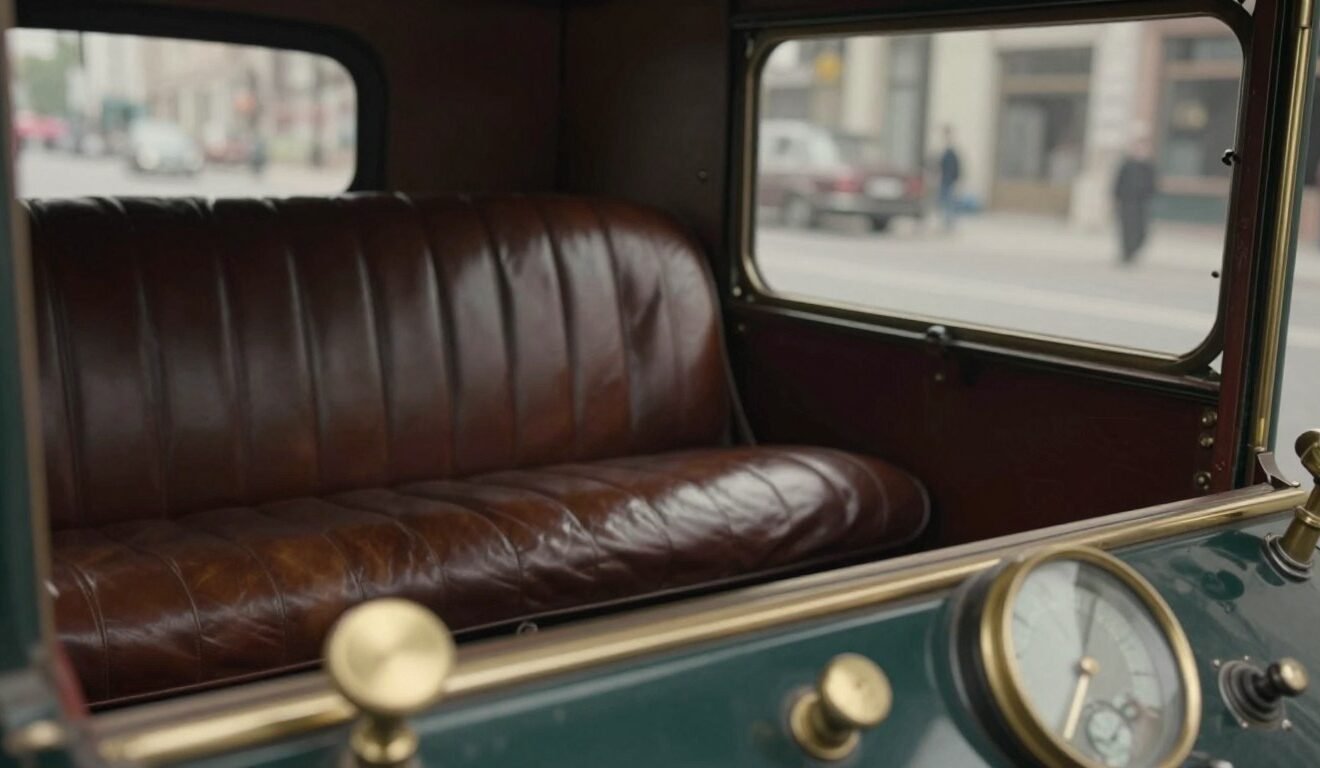
Vehicle Safety Before Seatbelts and Crash Testing: When Survival Was Left to Design and Luck
The first car was made in Germany by Karl Benz in 1886. It was seen as a luxury item but soon became popular in America. Early cars offered speed and freedom, but they didn’t protect people well.

Safety was often an afterthought. It was shaped by wrong ideas and not much knowledge. Looking back at automotive safety history shows how dangerous driving was. It also shows why we need safety systems today.
Key Takeaways
- The first cars were introduced in Germany in 1886 and quickly gained popularity in America.
- Early vehicle design lacked consideration for safety features.
- The history of automotive safety is marked by limited engineering knowledge and flawed assumptions.
- Modern safety systems evolved due to the dangers of early motoring.
- The development of safety standards was key to making driving safer.
The Dawn of Automotive Transportation: Early Safety Perspectives
When cars replaced horse-drawn carriages, safety wasn’t a top priority. The early days of cars saw big changes in how they were made and what they could do.
From Horse-Drawn Carriages to Horseless Carriages
The move to horseless carriages was slow. Early cars were basically horse-drawn carriages with engines. They were shaky, made of metal and wood, and often fell apart in crashes.
There was no standard for safety, leading to many accidents and deaths.

Speed, Status, and the Disregard for Safety
The early car industry was all about speed and status. Makers focused on making cars fast and strong, ignoring safety. This led to a culture of danger on the roads.
Drivers and passengers faced many risks. The focus on speed over safety was a big problem from the start.
The “Thrown Clear” Myth: Dangerous Misconceptions
The “thrown clear” myth was once common in early crash safety talks. It’s now seen as a dangerous mistake. People thought being thrown out of a car was safer.
Origins of the Belief
This belief started from a mix of misunderstandings about vehicle crashes and how the body reacts. Early talks on car safety didn’t fully grasp the danger of being thrown out. They thought it was safer to be “thrown clear” of the wreckage.
Scientific Reality vs. Popular Perception
But, being thrown out of a car during an accident is actually very dangerous. Studies show it triples the risk of death. The reality of crash dynamics shows being thrown clear is not safer.
Case Studies of “Thrown Clear” Accidents
| Accident Type | Ejection Rate | Fatality Rate |
|---|---|---|
| Roll Over | 80% | 45% |
| Head-On Collision | 40% | 30% |
| Side Impact | 20% | 20% |
The table shows the real danger of being thrown out in different accidents. It proves being “thrown clear” is not safer.
Rigid Structures and Unforgiving Designs
Early cars had steel bodies that were tough but risky in crashes. The aim for strong vehicles led to rigid designs. These didn’t absorb crash forces well.
Steel Bodies Without Crumple Zones
Early cars lacked crumple zones. These zones are made to bend and soak up crash energy. Without them, crash forces hit the people inside straight on.
Interior Design Hazards
Early car interiors were dangerous. Hard parts, sharp edges, and sticking-out bits raised crash injury risks. Common dangers included rigid steering columns, hard dashboards, and exposed passengers.
The Paradox of Durability vs. Safety
Early car design faced a big problem. Cars were strong and lasted long but were deadly in crashes. This shows the need for a design that balances sturdiness and safety.
Some major problems with early cars were:
- Rigid steel bodies without crumple zones
- Dangerous interiors with hard surfaces and sharp edges
- Focus on durability that hurt safety
To fix these issues, car design and build had to change. It was key to value both strength and safety.
Steering Wheels: Speared by Design
In the early days of cars, safety was not a top priority. Cars were made to look good and go fast, but not to keep drivers safe.
Rigid Steering Columns as Impalement Risks
Rigid steering columns were a big danger. If a car crashed, these columns could stick into the driver’s chest or belly. This could cause very bad injuries.
Common Steering Wheel Injuries
Because of the lack of safety features, drivers got hurt a lot. They often got chest injuries, broken ribs, and internal damage from hitting the steering wheel.
Early Attempts to Address Steering Hazards
When the dangers of rigid steering columns were clear, car makers started looking for better solutions. They tried collapsible steering columns. These were made to lessen the force on the driver in a crash.
| Injury Type | Cause | Early Mitigation Attempts |
|---|---|---|
| Impalement | Rigid Steering Columns | Collapsible Steering Columns |
| Chest Trauma | Steering Wheel Impact | Padded Steering Wheels |
Over time, steering wheel design has improved a lot. Car makers kept working on making cars safer. They focused on making steering wheel impacts less dangerous.
Glass Hazards: When Windshields Became Weapons
The history of car glass is filled with trial and error. Safety was not a top priority at first. Early windshields were made of plate glass, which broke into sharp pieces. This was a big danger to people inside the car.
The Development of Automotive Glass
At the start of car history, windshields were not common. When they did appear, they were made from plate glass. This glass broke easily, leading to glass hazards that could cause deep cuts.
Laceration Injuries Before Safety Glass
Plate glass windshields caused many cuts and injuries. Safety experts said, “The windshield became a weapon in the event of a crash, causing injuries that were often more severe than the crash itself.” This showed the need for safer car designs.
The Introduction of Laminated Glass
Laminated glass was a big change in automotive safety timeline. It’s made of layers of glass and a vinyl middle layer. This design stayed together when hit, making cuts less likely. It was a big step towards safer cars.
As cars got better, so did their safety features. Glass technology improved a lot. The move to laminated glass was a major safety step, showing a bigger focus on road safety.
Vehicle Safety Before Seatbelts: Minimal Restraint Systems
Before seatbelts, car safety relied on design and luck. The early days of cars paid little attention to keeping passengers safe. They had minimal systems to hold people in place.
Early Attempts at Passenger Restraint
The first tries at keeping passengers safe were simple. Some cars had lap belts or basic harnesses, but they were rare. The history of seatbelts is linked to aviation, where the first good seatbelts were made.
The Absence of Child Safety Considerations
Early cars didn’t think about keeping kids safe. Children were often held in laps or left without belts. This led to many injuries and deaths among young passengers.
First Seatbelt Patents and Implementations
The first seatbelt patents came out in the early 1900s. But it wasn’t until the 1950s that they started showing up in cars. The arrival of seatbelts was a big change in automotive safety history, leading to more safety advancements.
Seatbelts were a key step in making cars safer. As cars got better, so did the safety tech and rules.
Braking Systems and Handling: When Stopping Was an Adventure
Early cars had braking systems that couldn’t keep up with their speed and power. These systems were a big problem for safety.
Mechanical Brake Limitations
Mechanical brakes in old cars often failed because they were simple and not reliable. Drivers had a hard time stopping their cars, which was a big problem on steep hills or when going fast.
Handling Characteristics and Rollover Risks
Old cars also had bad handling, which made them more likely to roll over. This was because they had a high center of gravity and weak suspension systems.
The Advent of Hydraulic Brakes
Hydraulic brakes were a big step forward in safety. They made stopping cars more reliable and efficient. This helped lower the chances of brake failure and accidents.
The better braking systems and handling helped make cars safer. As cars got more advanced, so did their safety features.
Manufacturer Priorities: Performance Over Protection
At first, car makers focused more on how fast and good-looking their cars were, not how safe. This was clear in how they designed and promoted their vehicles.
Marketing Speed and Power
Car companies marketed their cars as fast and powerful. They wanted to attract people who loved speed. This focus on speed and power was a big reason for the early focus on making cars better at these things.
Speed and power were not just marketing tricks. They also showed what people valued back then. Faster cars were seen as cooler.
Economic Factors in Safety Decisions
Money was a big part of why car makers didn’t add more safety features. They thought it would cost too much and hurt their profits.
- General Motors’ annual model change was all about looks, not safety.
- Car makers didn’t want to spend on safety if it didn’t make the car look better or go faster.
- Trying to save money on production led to less safety in car design.
Early Industry Resistance to Safety Regulations
Car makers didn’t want to follow safety rules at first. They worried about higher costs and how it might affect sales.
But as more people became aware of car safety problems, the industry started to change its mind. This was because of:
- More people worried about car safety.
- Groups pushing for safer cars.
- Laws that made cars safer.
Public Attitudes Toward Automotive Risk
In the early 20th century, people saw driving as risky but normal. As cars became common, how people viewed their dangers changed. But safety wasn’t always the top concern.
Cultural Acceptance of Danger
Back then, accidents were seen as just bad luck, not something to worry about. This view came from not knowing why accidents happened and how cars could be safer.
Media Coverage of Automobile Accidents
News about car accidents was rare and often made a big deal. Newspapers focused on the shocking parts, not the safety lessons. A historian said, “The media made accidents seem like one-off events, not a bigger safety problem.”
“The automobile has been a major factor in the transformation of the American scene… but at a terrible cost in human life and limb.”
The “Driver Error” Narrative
Most thought accidents were because of bad driving, not car or road problems. This made car makers and road planners seem blameless. A study from back then showed most accidents were blamed on the driver, not the car or road.
| Attribution of Accident Cause | Percentage |
|---|---|
| Driver Error | 75% |
| Mechanical Failure | 15% |
| Environmental Factors | 10% |
The way people saw car risks was influenced by culture, media, and what they thought caused accidents. Knowing these old views helps us understand how car safety has improved over time.
Early Safety Pioneers and Experiments
Pioneers in automotive safety paved the way for modern vehicles. They conducted experiments that became the basis of safety regulations. Their work, often overlooked, was key in shaping the industry’s safety approach.
Unsung Heroes of Automotive Safety
Hugh DeHaven was a pioneer who worked on crash investigation and seatbelts. His research was foundational for future safety innovations. DeHaven’s contributions to automotive safety cannot be overstated, as he was among the first to scientifically analyze crash impacts on human bodies.
Early safety pioneers were driven by a desire to understand and mitigate risks in early automotive design. Their experiments and research led to valuable insights that influenced safety standards.
Experimental Safety Features That Never Reached Production
Several experimental safety features were developed but never made it to production vehicles. For instance, some manufacturers experimented with airbags as early as the 1950s, but they were not widely adopted until much later. Other innovations, such as advanced crumple zones and improved windshield designs, were also tested but faced significant barriers to implementation.
“The introduction of safety features in vehicles was not just a matter of technological advancement, but also of changing public perception and regulatory frameworks.”
Academic Research on Vehicle Injuries
Academic research played a vital role in understanding vehicle injuries. Studies on crash dynamics and injury patterns helped inform the development of safety features. Researchers worked closely with manufacturers to identify key areas for improvement and to test new safety technologies.
The work of early safety pioneers and researchers laid the foundation for modern vehicle safety features. Their experiments and findings continue to influence automotive safety today. This highlights the importance of continued innovation in this field.
The Origins of Crash Testing
Crash testing started a big change in car safety. Cars got faster and more common, so we needed to test them for safety.
Rudimentary Beginnings
Early crash tests were simple. They used basic dummies to stand in for people. These tests helped us learn about car crashes.
Advancements in Test Dummies
New, better test dummies were made. They looked more like real people. This gave us more accurate info on how safe cars are.
Impact on Vehicle Design
Crash tests showed car makers how to make cars safer. They added things like crumple zones and strong parts to keep people safe.
| Year | Crash Testing Advancements | Impact on Vehicle Design |
|---|---|---|
| 1930s | Introduction of simple crash test dummies | Basic safety features started to appear |
| 1960s | Development of more sophisticated test dummies | Crumple zones and reinforced structures became standard |
| 2000s | Advanced crash testing with modern dummies | Advanced safety features like airbags and electronic stability control |
Crash testing has really helped make cars safer. By looking at how crash testing started, we see how far we’ve come in keeping people safe in cars.
The Turning Point: Rising Fatalities Force Change
The number of car accidents and deaths skyrocketed, leading to big changes in car safety rules. With more cars on the road, accidents and deaths went up too.
Statistical Evidence and Public Awareness
Numbers showed how bad the problem was. In the U.S., car deaths went up in the mid-1900s. Many countries saw the same thing, showing the need for safer cars.
Advocacy Groups and Political Pressure
As more people learned about car safety issues, groups formed to fight for change. Ralph Nader was a key figure in pushing for safer cars.
Ralph Nader and “Unsafe at Any Speed”
Ralph Nader’s book “Unsafe at Any Speed” (1965) shined a light on car safety problems. His work made people aware and led to new laws, like the National Traffic and Motor Vehicle Safety Act in 1966.
Key Legislation That Changed the Industry
The National Traffic and Motor Vehicle Safety Act of 1966 was a big step. It made cars safer by adding important safety features.
Conclusion: The Legacy of Early Automotive Safety Approaches
The history of car safety shows a slow but steady improvement. In the beginning, cars were not designed with safety in mind. They had hard structures and no thought for keeping people safe.
Before the 1950s, car safety was not well understood. But, as time went on, people started to think about making cars safer. They tried new designs and technologies, which helped create the safety features we have today.
Today, cars are much safer thanks to new safety standards. The work in safety engineering has made a big difference. It has turned cars into safer ways to travel.
Looking back, we see how far car safety has come. The journey was long and hard, but it has saved many lives. Keeping up with new safety ideas will be key to making cars even safer in the future.